

Did you know that a horse skull is not only used in scientific studies, but also adorns homes and inspires art throughout Europe? This guide delves into the horse skull and its significance in 2026, where knowledge about the skull is relevant for educators, collectors, artists and veterinarians alike. Gain insight into anatomy, symbolism, practical applications, purchasing and ethics. Want to understand everything about horse skulls? Read on and become an expert.
Anatomy and Characteristics of the Horse Skull
To understand a horse skull, it is important to know its complex structure and the characteristic features that distinguish it from other animal skulls. The horse skull is central to both veterinary education, research and as a collector's item. Its structure reveals not only the age and health of the animal, but also the evolutionary adaptations that have made the horse one of the most successful mammals.
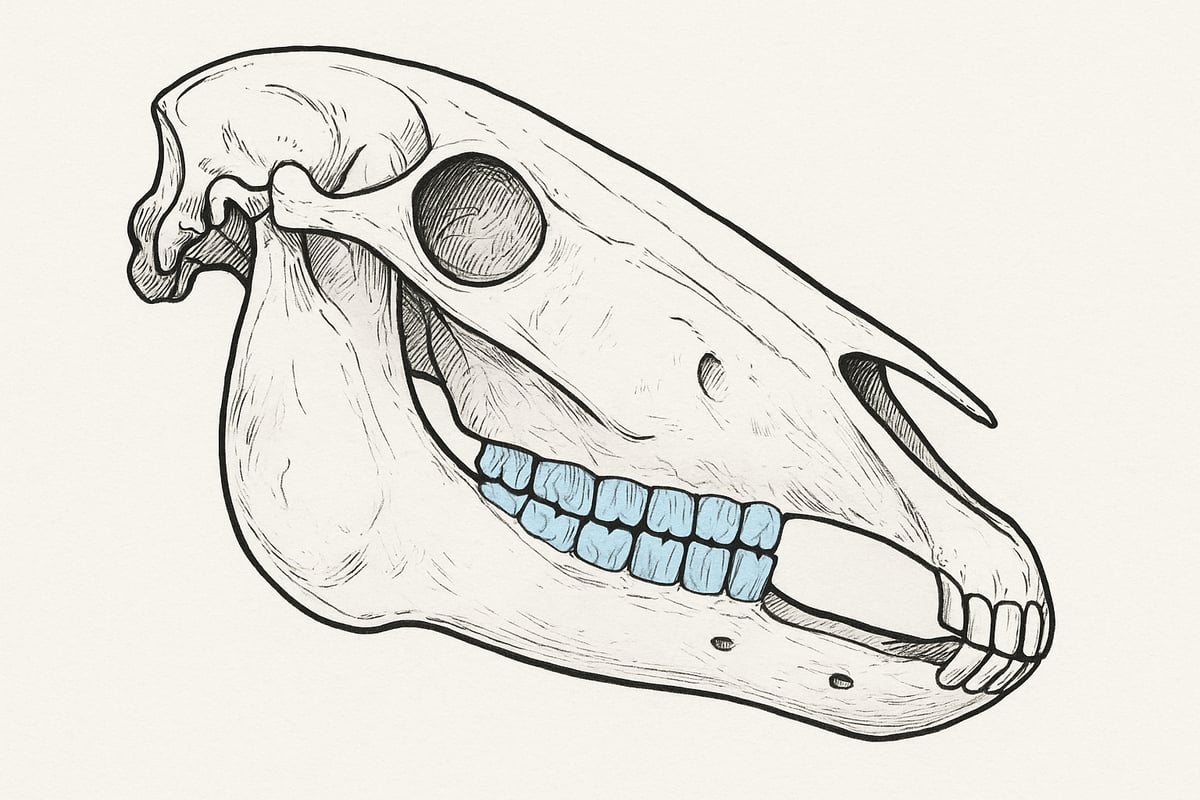
Construction and structure of a horse skull
A horse's skull typically consists of about 37 bones, many of which are fused together in adulthood. The most prominent parts are the upper and lower jaws, cheekbones, and the large flat bones in the forehead and back of the head. The skull often measures about 50 cm in length and weighs several kilograms, depending on age and breed.
The teeth are a special feature of a horse skull, as horses have developed powerful molars for grinding grass and roughage. The position of the teeth is often used to determine the age and health of the animal. Cavities and holes in the skull have great functional importance, as they lighten the weight and provide space for nerves and blood vessels. A characteristic feature, especially in educational models, is a round hole in the forehead, which originates from killing with a bolt gun.
The difference between a young and an older horse skull is clearly seen in tooth wear and the fusion of skull bones. In young animals, the skull bones are more separated, while with age they grow together.
Compared to other animal skulls, such as dog or cow, the horse skull is longer and narrower. The attachment of the jaw muscles and the row of teeth reflect the horse's adaptation to a plant diet. According to data from conservators, most genuine horse skulls used in education come from European suppliers, where each horse skull is often carefully prepared.
For further details on the anatomy and function of the skull, Skull Anatomy and Structure can be used as a reference.
| Characteristics | Horse skull | Dog skull | Cochrane |
|---|---|---|---|
| Length (cm) | about 50 | about 20 | about 40 |
| Bones | about 37 | about 29 | about 34 |
| Teeth | 36-44 | 42 | 32 |
| Typical characteristics | Long nose, large molars | Shorter nose | Broad forehead |
Identification and variations
Identifying a horse skull requires attention to several anatomical features. First and foremost, its size and length are unique, making it easy to distinguish from other mammals. The elongated nose, prominent jaw, and characteristic tooth arrangement are clear indicators of a horse skull.
Natural variations occur due to breed, age, and individual differences. For example, Arabian horses have a more convex forehead profile, while Icelandic horses often have shorter and wider skulls. Age also plays a role, as tooth wear and the fusion of bones change the appearance of the skull over time.
In research and education, these variations are used to illustrate biological and evolutionary principles. Some horse skulls show clear signs of disease or injury, making them valuable in veterinary education.
A horse skull can also be identified based on small details, such as tooth shape and cavities, which are often utilized in both collection and scientific analysis. By knowing these differences, one can quickly and accurately assess whether a skull comes from a horse and what its background is.
Symbolism and Historical Significance of Horse Skulls
The horse skull has played a significant role in the human imagination throughout history. Its distinctive shape and size have made it a powerful symbol, both in ancient rituals and in modern design. To understand why the horse skull fascinates so many, we must delve into its cultural significance and its journey from burial ground to modern home.
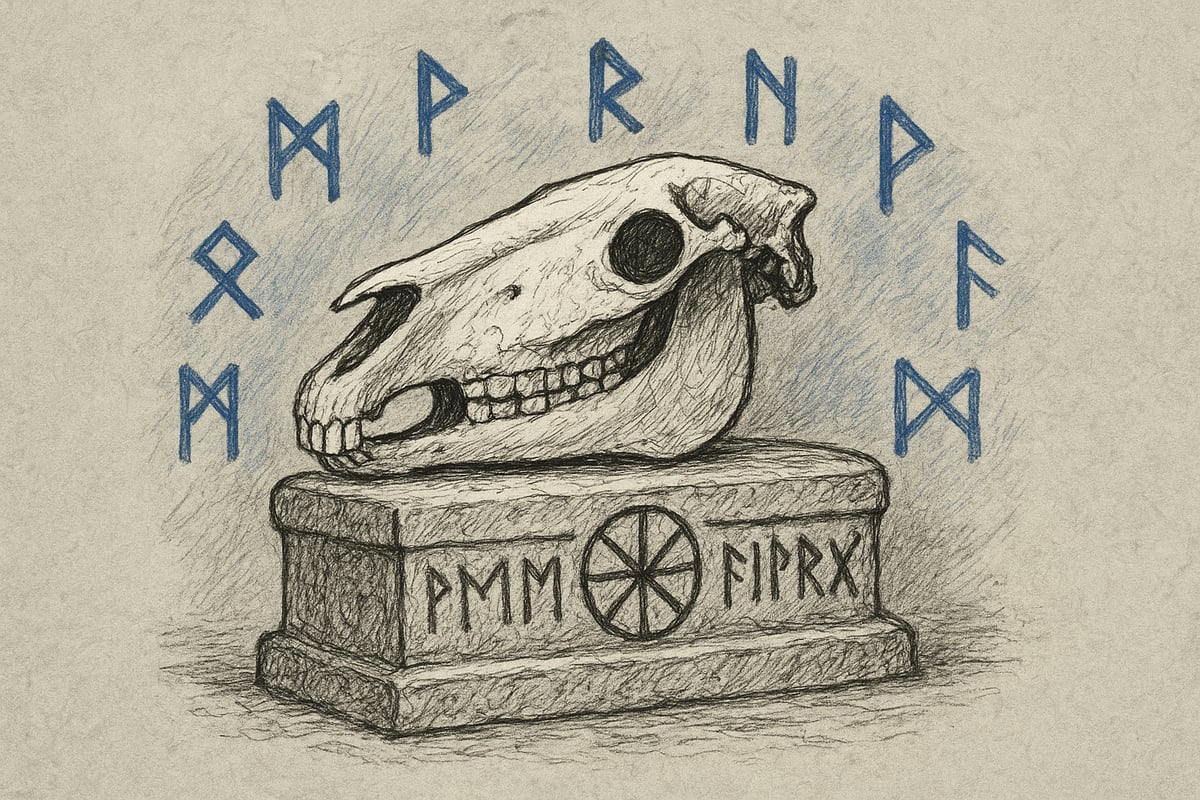
The horse skull in culture and mythology
The horse skull has played a central role in Nordic and European folklore. In several cultures, the horse skull was used as a symbol of strength, protection and transformation. It was often considered to have magical properties that could protect the home or bring good luck. For example, in some places the horse skull was buried under the foundation of the house to protect against evil spirits.
In many mythologies, the horse skull represents the transition between life and death. The horse was an important animal in both daily life and warfare, and the horse skull was therefore seen as a strong symbol of both power and death. In archaeological finds from the Bronze and Iron Ages, horse skulls have been discovered in graves and sacrificial sites, which testifies to its importance in ritual contexts.
In modern times, the horse skull has found its way into art and design, where it is used as a motif in paintings, sculptures and posters. This development shows how the horse skull continues to inspire and fascinate. Compared to other animal skulls, such as those of cows or dogs, the horse skull has a special place because of its slender lines and historical weight.
The list of symbolism associated with the horse skull includes:
- Strength and endurance
- Death and transformation
- Protection and luck
- Connection to the supernatural
If you want to read more about the meaning of the skull in different cultures, you can find a thorough review in this article about the symbolism of the skull in culture .
The horse skull has always been more than just a biological object. It contains stories, superstitions and awe, and it is precisely this depth that makes it a sought-after study object and decorative element.
The horse skull as a decorative element
Today, the horse skull has become a popular decorative object, especially in rustic and Nordic home decor. Many choose to use a horse skull as a statement piece, either hung on the wall or placed centrally in a room. The natural structure and distinctive lines give a dramatic and stylish expression that creates conversation and fascination.
The trend of using horse skulls in interior design is increasing. Data from home magazines and online trends show that more and more people are looking for authentic animal skulls for their homes. Horse skulls are often used in theme parties and for Halloween, where they are part of the decoration to create an evocative and mysterious atmosphere.
Popular ways to use a horse skull in decoration include:
- Hung on the wall as a work of art
- Placed on shelves or tables with lighting
- Framed together with other natural objects
Especially in public spaces such as hotels, restaurants and galleries, the horse skull is used to emphasize a raw and authentic expression. For both private and professional use, it is important to choose a high-quality horse skull, as it must be both aesthetically pleasing and durable.
The horse skull has thus become part of modern design history. It unites the symbolism of the past with the aesthetics of today, offering a unique focal point for culture, art and personal style.
Practical Uses of Horse Skulls
Horse skulls have many practical purposes, ranging from education to art and collection. In the following, we delve into the most central areas of application and show how a horse skull is both an important tool and a sought-after object in various contexts.
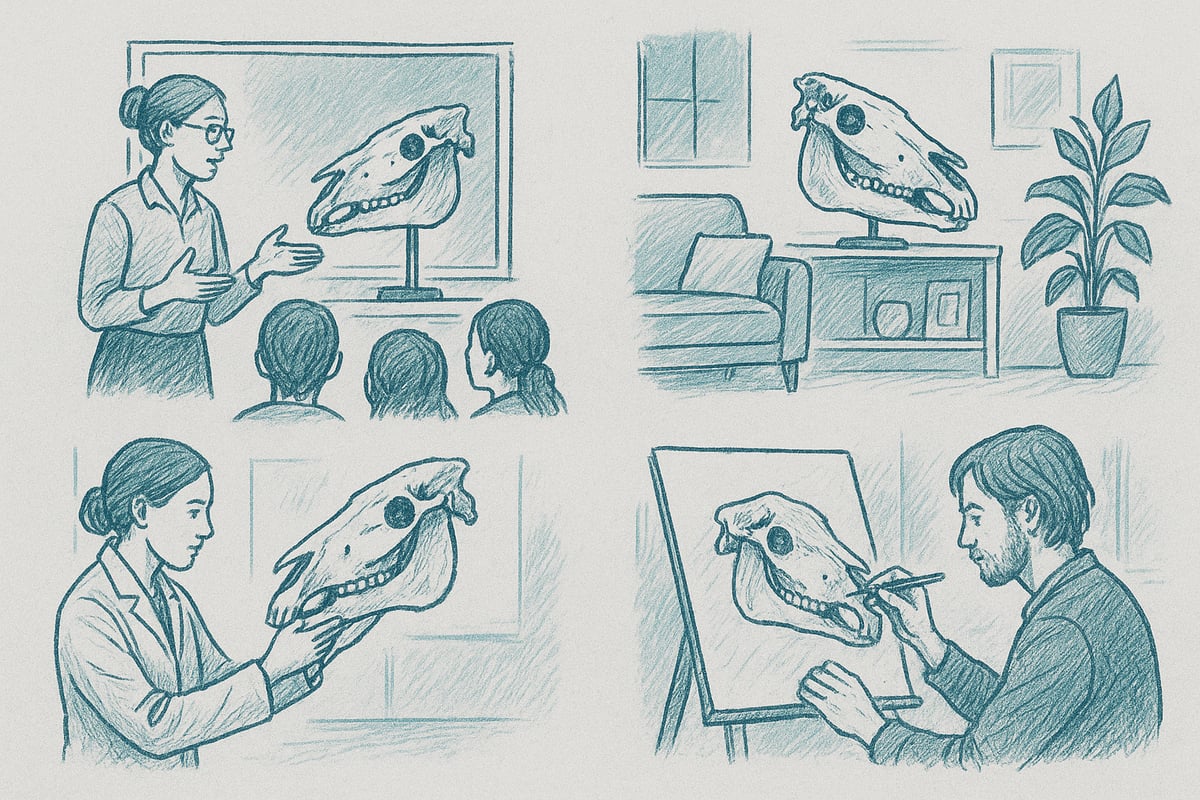
Teaching and research
In educational settings, horse skulls are indispensable, especially when teaching veterinary or biology. A horse skull allows students to study the animal's anatomy up close, increasing their understanding of bone structure, dentition, and variations between breeds. Many institutions prefer real models as they show natural detail, but synthetic alternatives are also used, especially where durability or sustainability are required.
The demand for anatomical models, including horse skulls, has increased significantly in recent years. This is due to both an increased focus on practical learning and the desire for realistic study objects. Several suppliers, such as Anatomy models for teaching , offer specialized solutions for both Danish and international institutions. Here, educators can find models adapted to different levels and needs.
The use of horse skulls in research ranges from studies of evolution to investigations of diseases and treatment methods. A well-documented skull can reveal a lot about both the health and behavior of horses, making it an important tool in modern research.
Decoration and assembly
Interest in horse skulls as a decorative element has grown significantly, especially within rustic and Nordic interior design. Many see horse skulls as a unique statement piece that adds character to both private homes and public spaces. It is not uncommon to find horse skulls in living rooms, offices or as a centerpiece at themed parties and events such as Halloween.
For collectors, authenticity and quality are crucial. A genuine horse skull is often judged by its preservation, completeness and provenance. Collectors and enthusiasts look for skulls without major damage, with both teeth and bones intact. The market also offers artificial replicas, which can be used for decoration without the ethical considerations that come with genuine models.
For special occasions, especially Halloween, horse skull props have become extremely popular. Data from several vendors shows a significant increase in sales of these decorations, underscoring the broad appeal that horse skulls have gained in recent years.
Veterinary and clinical use
In veterinary practice, the equine skull is a central tool, especially when it comes to diagnosis and training. Veterinarians often use the equine skull to explain diseases, dental problems, and treatment options to both students and horse owners. It provides a visual understanding that is often easier to convey than through pictures or descriptions alone.
Horse skulls are also used in the training of future veterinarians. By reviewing typical and atypical bone structures, they learn to identify disease symptoms and understand how treatments affect both bone and dental structure. Clinical cases show that the use of horse skulls can significantly improve both diagnosis and client communication.
Horse skulls in arts and crafts
Artists and craftsmen have found inspiration in the horse skull for many years. The motif is used in everything from paintings and sculptures to modern designs and installations. The horse skull often symbolizes transformation and strength, making it popular in both classical and contemporary art.
The value of a horse skull in art depends on both expression and rarity. Unique works that incorporate horse skulls can be highly sought after by collectors and galleries. Several well-known artists have used horse skulls as a motif, which has contributed to increasing interest in this special object in the art world.
How to Buy and Evaluate a Horse Skull
Buying a horse skull requires both knowledge and consideration. The market ranges from real, preserved horse skulls to artificial models. To ensure a good purchase, you should know the process, assess the quality and understand the legal aspects. Below you will find a complete guide so you can choose the right horse skull for your purpose.
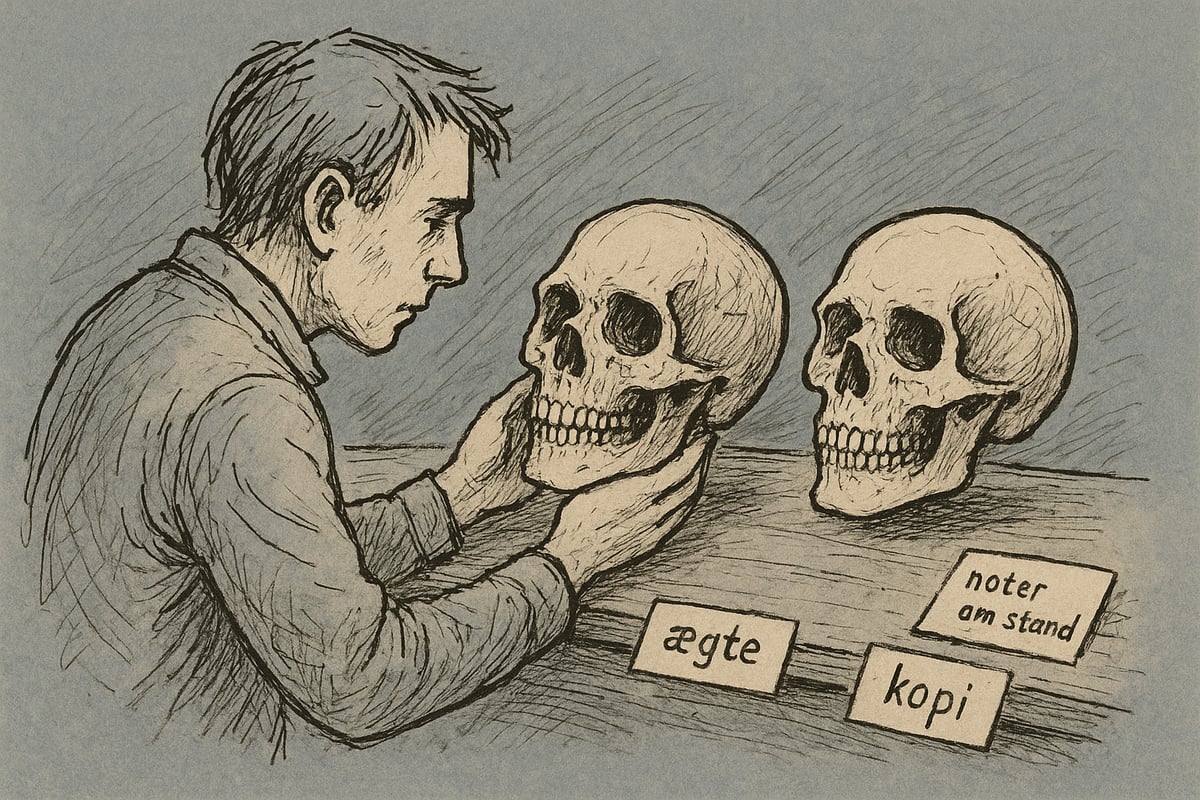
Step-by-step guide to buying
When considering purchasing a horse skull, it is important to research the options thoroughly. You can find horse skulls in specialty stores, online platforms, or at auctions. Be aware of whether you want a real horse skull or an artificial model, as this affects both price and use.
Start by assessing the quality. A horse skull should be complete, have all teeth, and appear free of damage. Always ask the seller for documentation of origin, preservation method, and the age of the animal. This is essential to ensure that the horse skull was legally acquired and properly treated.
The price level for a real horse skull is typically between 2,500 and 4,000 DKK depending on condition, origin and conservation. Artificial models can be cheaper, but often lack authenticity and detail. Consider your purpose: Will the horse skull be used for teaching, decoration or collection?
| Type | Price (DKK) | Advantage | Disadvantage |
|---|---|---|---|
| Real horse skull | 2,500 - 4,000 | Natural level of detail | Requires more care |
| Artificial model | 800 - 2,000 | Cheaper, robust | Less authentic |
Investigate delivery options and freight, especially if the horse skull is to be shipped from abroad. Ask how the skull is packed and protected during transport. Always read the Terms and Conditions and Returns Policy carefully so that you know your rights when returning or making a complaint.
Assessment of authenticity and condition
To ensure that your horse skull is genuine and in good condition, you should know the main characteristics. A professionally preserved horse skull will often have a natural color, complete teeth, and no strong odors. Assess whether the surface is smooth and free of discoloration, and whether any holes or joints are natural and not the result of damage.
It is important to be able to distinguish between real and artificial horse skulls. Real horse skulls will often have slight variations in structure, patina and some weight. Artificial models are typically lighter, have a uniform surface and may lack details such as tooth roots or fine fissures.
When assessing condition, you should especially look for:
- Intact teeth and jaw joints
- Absence of cracks or fractures
- No signs of pests or fungus
- Professional cleaning and preservation
If you are in doubt about the authenticity of the horse skull, you can ask for additional pictures or documentation from the seller. Collectors and institutions place great importance on correct condition, as it has an impact on both value and use.
A thorough assessment of the horse skull ensures that you get a product that meets your expectations, whether it is to be used for teaching, decoration or research.
Ethical and Legal Considerations for Horse Skulls
Acquiring or using a horse skull involves both legal and ethical considerations that should not be overlooked. To ensure proper handling and responsible use, it is important to understand the applicable regulations as well as the ethical principles associated with horse skulls.
Legislation and guidelines
The legislation regarding horse skulls in Denmark and the EU is clear: The purchase, sale and import of animal skulls are subject to strict regulations. First and foremost, you must be able to document the origin of the horse skull. This is especially true when importing from countries outside the EU, where certificates are often required to prove that the horse skull does not originate from endangered species.
Additionally, all horse skulls traded must comply with the CITES convention if they come from protected species. Although horse skulls from common horse breeds are rarely covered, regulations can change, so it is always crucial to check the current status.
Typical requirements for buying and selling:
| Requirements | Explanation |
|---|---|
| Documentation | Origin, possibly CITES certificate |
| Import/export | Customs documents, veterinary certificate |
| Sales in DK/EU | Compliance with national regulations |
Examples of prohibited practices include trading horse skulls without proof of legal origin or importing without proper documentation. Adhering to these rules protects both the buyer, the seller, and the animal's welfare.
Ethics and sustainability
Ethical considerations regarding horse skulls are primarily about animal welfare. It is important to ensure that the skull comes from animals that have not been killed solely for the purpose of extracting horse skulls. Professional suppliers can often document that horse skulls have been collected in a responsible and sustainable manner.
The demand for ethical alternatives is growing. Many are now choosing 3D printed or synthetic models as a sustainable choice, especially for teaching and decoration. This reduces the need to use real horse skulls and reduces the pressure on natural resources.
Advantages of ethical alternatives:
- No animals are harmed to make horse skulls.
- Easier to document origin and production.
- Often cheaper and more accessible to institutions.
When choosing a horse skull, you should consider both the legal and ethical dimensions. It sends a strong signal of responsibility and respect for both the law and wildlife.
Care, Storage and Maintenance of Horse Skulls
Proper care and storage of a horse skull is essential to maintaining its aesthetics and scientific value. Whether the horse skull is used in education, collection, or as decoration, it requires careful handling to ensure longevity and avoid damage.
Cleaning and preservation
Cleaning a horse skull requires caution. Always start by removing dust with a soft brush or dry cloth. Avoid using water on old or delicate horse skulls as moisture can cause damage to the bone structure. If necessary, use slightly damp cotton swabs on more robust areas.
For preservation, it is recommended to use acid-free materials when packing the horse skull away. This protects against discoloration and decomposition. For more serious stains, you should never use chemicals without expert guidance. Always consider professional help if the horse skull has major damage.
Professional suppliers often offer advice on proper maintenance. For more detailed advice on handling and conservation, visit Care and Storage of Models , which provides insight into safe methods for preserving anatomical objects.
Storage and display
Storing a horse skull requires stable conditions to avoid damage. Ideally, the temperature should be kept between 18-22°C and the humidity between 45-55 percent. Direct sunlight can cause drying and discoloration, so never place a horse skull on a windowsill.
| Parameters | Recommendation |
|---|---|
| Temperature | 18-22°C |
| Humidity | 45-55% |
| Lighting conditions | Indirect light |
When displaying a horse skull, it should be placed securely, such as on a stable shelf or in a display case. Use supporting materials under the skull to prevent it from rolling or tipping over. In institutions and clinics, it is recommended to mount the horse skull on the wall with discreet brackets that both secure and highlight the object.
Make sure to check the conditions regularly, especially if the horse skull is in a public space. This will extend its shelf life and reduce the risk of damage.
Long-term durability and repair
Long-term preservation of a horse skull depends on regular inspection and maintenance. Inspect regularly for cracks or loose teeth, and only handle the horse skull with clean hands or gloves to avoid grease stains.
Minor damage, such as small cracks or loose parts, can sometimes be repaired with acid-free glue. For major damage, you should always seek help from a conservator or a specialist in biological objects. This ensures that the horse skull retains its scientific and aesthetic value.
Proper maintenance increases value for both collectors and institutions. A well-preserved horse skull can maintain its integrity and usefulness for many years if this advice is followed.
Now that you have a solid understanding of the anatomy, symbolism and many uses of the horse skull, you can better understand why it fascinates educators, collectors and design enthusiasts worldwide. Whether you are considering using a horse skull in your teaching, as a decorative element or for research, it is crucial to choose the right models with a focus on quality, authenticity and ethical principles. If you want to delve even deeper into the subject or find the perfect anatomical models, you can read on and explore all the options here:
Read more here
0 comments