

Imagine an organ that works constantly to ensure your health. The liver is the body's hidden hero, and many people ask: how does the liver work? This article guides you through the anatomy of the liver, its main functions, and the latest research that will make the liver's role even more central in 2026.
You'll gain insight into common liver problems and practical advice to protect and strengthen your liver. Read on to learn how you can optimize your health by understanding the importance of the liver.
Anatomy and Location of the Liver
Understanding how the liver works starts with knowing its anatomy and location. The liver is one of the most complex and fascinating organs in the body. Each part of its structure has an important role, and together they work to maintain your health.

Basic anatomy of the liver
The liver is the largest internal organ in the body and typically weighs between 1.4 and 1.8 kg in adults. It has a soft, triangular shape and is located just below the right rib cage, where it is protected by the rib cage.
The organ is divided into two main lobes, a right and a left, as well as several smaller segments. This division allows the liver to perform several functions simultaneously. To illustrate its size, you can imagine the liver as being the size of an American football.
When asking how the liver works, it's important to understand that its anatomy is closely linked to its ability to filter blood and produce bile. The complex structure ensures that each part of the liver can work efficiently.
Blood supply and bile ducts
To understand how the liver works, you need to know its unique blood supply. The liver receives blood from two main sources: the portal vein, which brings nutrient-rich blood from the intestines, and the hepatic artery, which supplies oxygenated blood from the heart.
This dual blood supply means that the liver is constantly supplied with both nutrients and oxygen, which is essential for its many functions. The bile ducts run through the liver and transport bile to the gallbladder, where it is stored until digestion.
An interesting fact is that the liver receives approximately 25 percent of the cardiac output. This emphasizes how central blood circulation is to how the liver functions in practice. The path of blood through the liver allows for efficient cleansing and nutrient processing.
Cell structure and microscopic structure
At a microscopic level, the liver is made up of millions of small units called lobules. Each lobule contains hepatocytes, which are the cells that carry out most of the liver's chemical processes. These cells can be compared to small factories where substances are constantly being converted and broken down.
Another important cell type is the Kupffer cells, which function as the first line of immune defense in the liver. They capture and break down bacteria and old blood cells.
When we talk about how the liver works, it is the interaction between lobules, hepatocytes and Kupffer cells that ensures an effective filter and a strong defense mechanism against harmful substances. The liver's cellular structure is the basis for its many vital functions.
Anatomy posters and models for teaching
To understand how the liver works, visual aids such as anatomy posters and 3D models are indispensable. In both schools and universities, these materials are used to illustrate the location, structure and functions of the liver.
Teachers often use posters that show the different lobes, segments, and blood supply, which makes it easier for students to get an overview. 3D models can also provide a tangible insight into the internal structure of the liver.
If you want to delve further into the subject, you can find plenty of inspiration and in-depth material inLiver Anatomy and Function , where both teachers and students can strengthen their understanding of the liver's complex structure.
Main Functions of the Liver
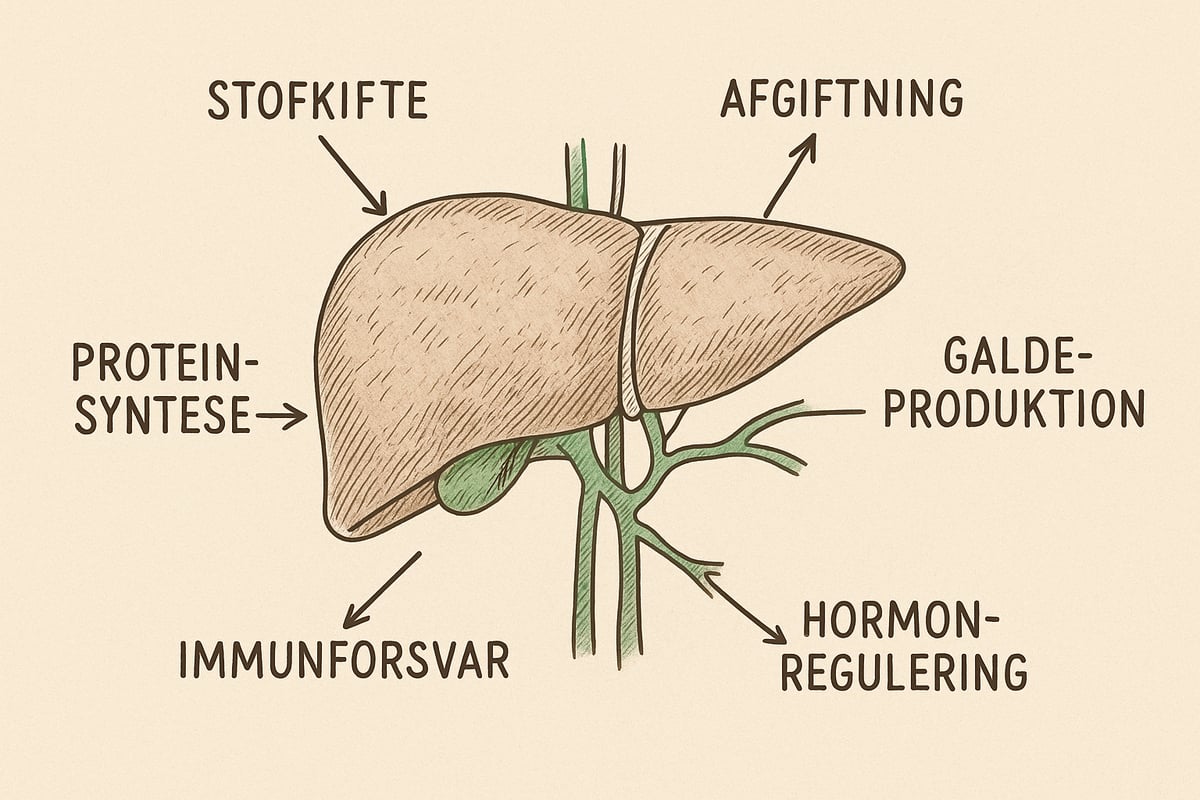
The liver is an impressive organ with countless tasks that are indispensable to the daily functioning of the body. When we ask how the liver works, it is important to understand that its role ranges from energy management to blood purification and much more.
These core functions ensure that the body is in balance and that we can withstand both external and internal influences. Let's dive into the most important areas where the liver is at the center.
Metabolism and energy turnover
When examining how the liver works, its role in metabolism is central. The liver breaks down carbohydrates, fats and proteins so that the body can optimally utilize the energy. After a meal, the liver converts excess glucose into glycogen, which is stored for later use. During fasting or physical activity, the glycogen is broken down back into glucose to keep blood sugar levels stable.
The liver can store up to 100 g of glycogen, which provides the body with an important energy reserve. It also regulates blood sugar levels and ensures that the brain and muscles get the energy they need. During prolonged fasting, the liver also begins to convert fat into ketone bodies, which the body can use as alternative energy.
Compared to other organs, the liver has a unique ability to adapt metabolism to the body's needs. That's why how the liver works is a crucial question for anyone who wants to understand energy metabolism.
Detoxification and purification of the blood
One of the most fascinating features of the liver, when we ask how the liver works, is its ability to detoxify the body. The liver receives blood filled with nutrients and waste products from the digestive system. Through sophisticated enzyme systems, especially CYP450, potentially harmful substances such as medications, alcohol, and toxins are converted into harmless compounds.
Alcohol breakdown is a classic example. First, the alcohol is converted to acetaldehyde, which is then rapidly converted to acetic acid and finally to carbon dioxide and water. This process protects the body from poisoning and damage.
The liver also filters out old blood cells and other waste products, so that the blood is always clean and ready to supply the body's cells. If you want to read more about the advanced functions and structure of the liver, you can find a thorough review at Anatomy and Function of the Liver .
Bile production and digestive function
A third important part of the answer to how the liver works is about bile production. The liver produces between 0.5 and 1 liter of bile daily, which is essential for the digestion of fats. The bile is transported to the gallbladder, where it is stored until it is released into the intestine during a meal.
Bile helps break down fats into small droplets so that enzymes can work effectively. Without bile, the body would have difficulty absorbing fat-soluble vitamins and nutrients. Therefore, the liver's bile production is essential for the entire digestive system.
Synthesis of important proteins
How does the liver function when it comes to protein synthesis? The liver produces several vital proteins, including albumin, which maintains the fluid balance of the blood, and coagulation factors, which ensure that the blood can clot. Without these proteins, the body would quickly become unbalanced.
In liver failure, the production of these proteins decreases, which can lead to fluid retention, bleeding problems, and other serious symptoms. The liver's ability to synthesize proteins is therefore crucial to our health on many levels.
Immune defense and storage of vitamins/minerals
The liver also plays a central role in the immune system, which is an important part of how the liver functions. The Kupffer cells in the liver act as the body's first line of defense against bacteria and viruses that enter from the gut. They capture and destroy harmful microorganisms before they can reach the body.
In addition, the liver stores large amounts of vitamins A, D, E, and K, as well as iron. In fact, the liver can contain up to 1 gram of iron, which is released as needed. This storage function makes the liver the body's "storehouse" of essential nutrients.
Hormone regulation and signaling substances
Finally, the liver's role in hormone balance is an often overlooked aspect when we ask how the liver works. The liver breaks down and regulates hormones like insulin and sex hormones to keep their levels stable. It works with other organs to ensure that the body's signaling molecules function optimally.
For example, the liver helps convert inactive hormones into their active forms, which is important for both metabolism and general health.
New Research and Development on the Liver towards 2026
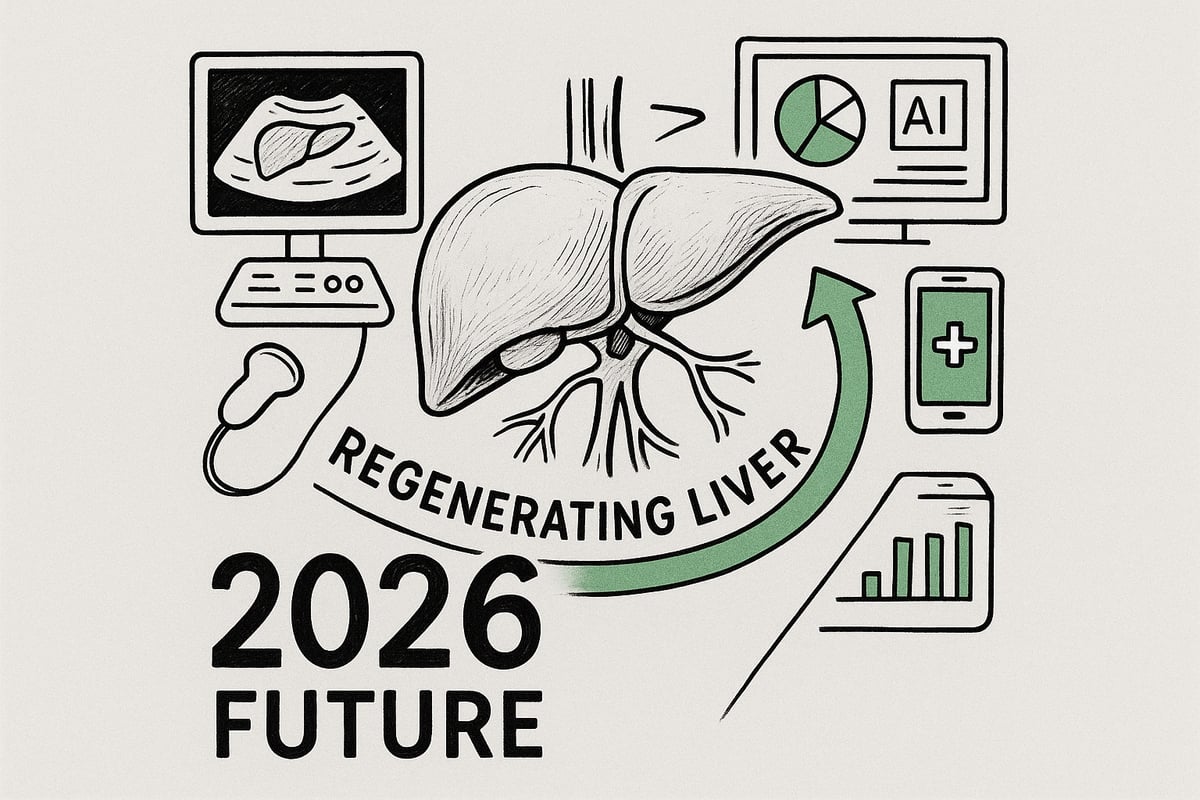
Research into how the liver works has never been more dynamic. New discoveries and technologies are paving the way for a revolutionary understanding of the liver's role in health. In the coming years, breakthroughs are expected that will improve the treatment, diagnosis and prevention of liver diseases.
Latest scientific breakthroughs
In recent years, scientists have discovered remarkable aspects of how the liver works, especially its ability to regenerate. Studies have shown that up to 80% of the liver can regrow after injury. Research into liver stem cells opens up new possibilities for repairing damaged tissue without the need for transplantation.
In addition, international research groups are working to improve organ transplantation through gene editing and biotechnology. New techniques make it possible to grow mini-liver structures in the laboratory, which could mean faster and more accessible treatment for patients in the future. These breakthroughs are fundamentally changing our understanding of how the liver works.
Technological advances in liver diagnostics
The development of advanced diagnostic tools has made it easier to understand how the liver functions in both healthy and diseased individuals. Non-invasive tests such as Fibroscan and MR Elastography can now measure liver stiffness without the need for a biopsy. At the same time, artificial intelligence and machine learning are being used to analyze large amounts of data and identify early signs of disease.
A concrete example is the use of algorithms that can predict the development of liver disease based on blood tests and imaging. This gives healthcare professionals better opportunities to act quickly, increasing the chance of successful treatment and prevention.
Future treatments and medicines
How the liver works is also being explored in the search for new treatments. Researchers are developing targeted medicine for non-alcoholic fatty liver disease (NAFLD) and hepatitis, which are expected to affect up to 25% of the world's population by 2026. At the same time, work is being done on gene therapy and personalized medicine, where treatment is tailored to the individual patient's genetic profile.
The table below provides an overview of upcoming treatments:
| Treatment type | Status 2026 |
|---|---|
| Gene therapy | Under testing |
| Stem cell therapy | Clinical trials |
| Targeted medicine | Approved in several places |
These advances contribute to improving the understanding of how the liver works and the possibilities for combating liver diseases.
Prevention and early detection
Prevention will be a key theme as we look at how the liver functions in the future. Healthcare is now prioritizing screening and risk assessment to detect liver diseases early. Biomarkers in blood tests and the use of health apps are making it easier to monitor the condition of the liver from home.
For example, Danish researchers have received major grants to strengthen new research into early diagnosis of liver diseases in newborns. This could lead to faster treatment and a better prognosis for the youngest patients. By combining technology and research, healthcare can improve how liver function is monitored and protected.
The liver in the global health picture
Worldwide, the number of people with liver disease is increasing significantly. How the liver functions is affected by lifestyle, obesity and environmental factors. Forecasts show that liver-related deaths will increase by 20% by 2026, which places great demands on both prevention and treatment.
The connection between diet, physical activity and liver health is clearer than ever. Health campaigns and policy initiatives are therefore focusing on reducing risk factors and improving public knowledge about how the liver works. This development affects both the individual and society as a whole.
Collaboration between research and teaching
Interdisciplinary collaboration plays an increasingly important role in understanding how the liver works. Researchers, educators, and healthcare professionals are working more closely together than ever before. The use of 3D models and digital tools in both research and education makes it easier to visualize the liver's complex functions.
For example, 3D-printed liver models are used in medical school to give students a realistic insight into the structure and function of the organ. This strengthens both the quality of research and the effectiveness of teaching. Together, these advances ensure that we continuously improve our knowledge of how the liver works.
Common Liver Problems and Risk Factors
The liver is one of the body's most vital organs, but many Danes experience problems without knowing what's really going on. To understand how the liver works, it's important to know the most common diseases, risk factors, and symptoms. This knowledge can help you take better care of your liver and prevent serious health problems.
Common liver diseases
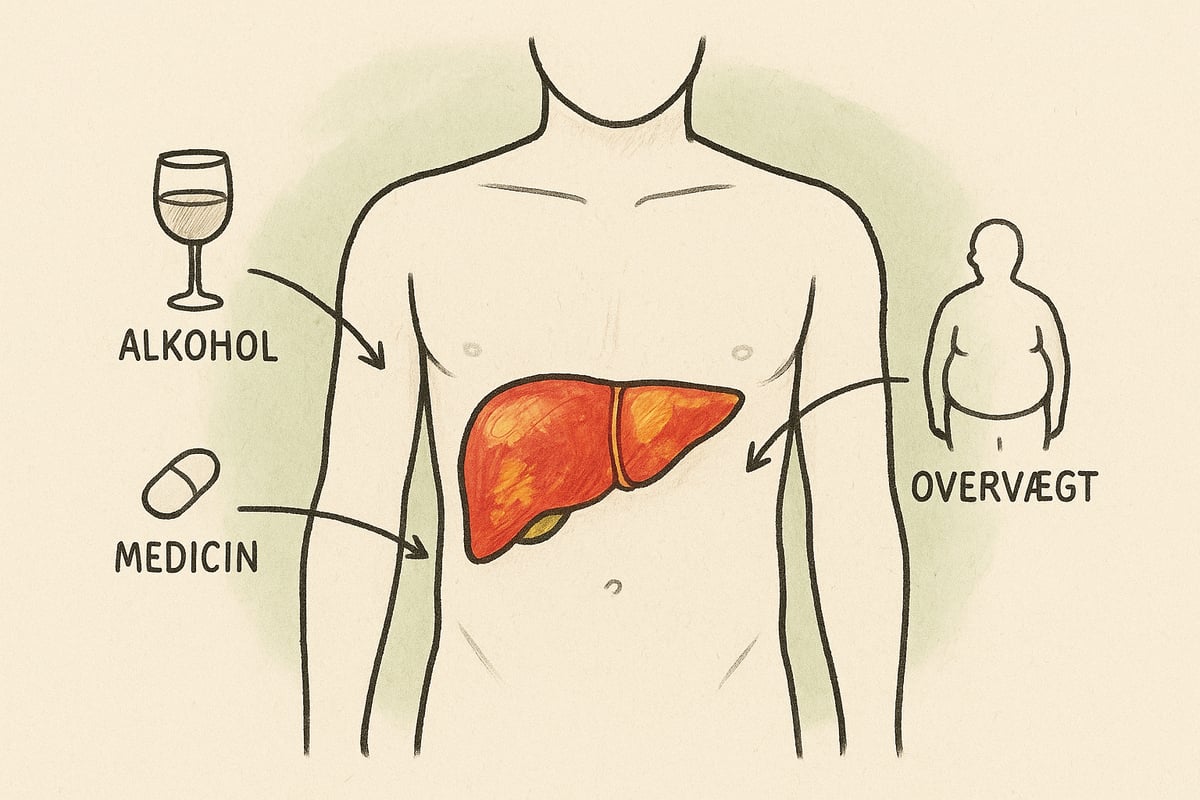
When asking how the liver works, it is important to know about the most common liver diseases. Non-alcoholic fatty liver disease (NAFLD) is the most common and affects both young and old. Hepatitis, which is caused by viral infections, can lead to inflammation and permanent damage. Cirrhosis often occurs after long-term stress, for example from alcohol or chronic hepatitis. Liver cancer can develop as a result of other liver diseases.
Symptoms can be non-specific, such as fatigue, nausea or pain under the right rib. Statistics show that 1 in 4 Danes has pre-existing fatty liver disease, which emphasizes the need for early attention. Understanding how the liver functions in disease states is crucial to detecting problems in time.
Risk factors and lifestyle
Many people ask how the liver functions under the stress of modern lifestyles. Being overweight and eating a fatty diet increase the risk of fatty liver, while regular alcohol consumption can damage liver cells. Medications, especially painkillers and certain dietary supplements, can also put a strain on the liver. Diabetes and high cholesterol are additional risk factors.
Viral infections, such as hepatitis B and C, are transmitted through contact with blood or body fluids. However, lifestyle changes, such as weight loss and reduced alcohol intake, can significantly improve the condition of the liver. Knowing how the liver functions in relation to these factors provides a solid basis for taking responsibility for your own health.
Diagnostic methods and symptoms
To understand how the liver works, it is important to know the methods doctors use to make diagnoses. Blood tests that measure liver enzymes can reveal early signs of disease. Ultrasound scans and MRIs can show fatty deposits or structural changes. Liver biopsy is used in special cases to assess the extent of damage.
Typical symptoms such as jaundice, itching and fatigue can occur late in the course. Unfortunately, 50% of liver diseases are not detected until an advanced stage. New blood tests and testing methods, such as New test can detect risk of serious liver disease , can improve early detection and increase the chance of successful treatment. This emphasizes how important it is to know the symptoms and seek medical attention if suspected.
Prevention and health promotion
How does the liver function best? The answer lies in a healthy lifestyle. A varied diet with vegetables, whole grains and healthy fats protects the liver. Physical activity, even in the form of daily walks, reduces the risk of fatty liver and improves liver values. Limiting alcohol intake is crucial, as alcohol is responsible for half of all liver damage in Denmark.
Vaccination against hepatitis A and B prevents serious infections. Health campaigns have proven effective in educating about risk factors and promoting healthy choices. Understanding how the liver works makes it easier to make decisions that strengthen the organ's health.
Heredity and genetic factors
When examining how the liver functions, hereditary factors must also be taken into account. Family history plays a central role in certain liver diseases. Hemochromatosis, where the body absorbs too much iron, and Wilson's disease, where copper accumulates in the liver, are examples of genetic disorders that can affect the liver.
Statistics show that 1 in 200 Danes has a genetic predisposition to certain liver diseases. Knowing your family history and being aware of early symptoms is important for preventing and managing genetic liver diseases. This is another aspect of how the liver works that requires attention.
The importance of the liver for mental health
Many people don't know that the answer to how the liver works also has an impact on the brain. In severe liver damage, waste products can build up in the blood and affect brain function. This is called hepatic encephalopathy and can lead to confusion, difficulty concentrating and, in severe cases, coma.
The connection between liver function and mental health is important, as early treatment can prevent permanent damage. Understanding how the liver functions in relation to both physical and mental health is crucial for holistic treatment and quality of life.
How to Protect and Strengthen Your Liver in 2026
Understanding how the liver works is the first step towards protecting it. As research advances, taking action to improve liver health becomes increasingly important. Here are the best tips on how to strengthen and maintain a healthy liver in 2026.
Healthy eating and nutrition tips
How does your liver function best? It often starts with what you eat. A varied and nutritious diet is key to a strong liver. Focus on vegetables, whole grains, and healthy fats, like avocado, nuts, and fish.
Avoid processed foods and sugar as they put a strain on the body and can lead to fatty liver. The Mediterranean diet is a good example as it supports liver function and reduces the risk of disease.
- Eat green vegetables daily
- Choose whole grain products
- Use olive oil instead of butter
By thinking about how the liver works, you can target your diet and strengthen the organ's ability to handle nutrients and waste products.
Exercise and physical activity
Regular exercise is important for optimal liver function. Physical activity reduces the risk of fatty liver and improves blood circulation, which helps the liver perform its many tasks.
You don't have to run a marathon. A brisk 30-minute walk a day can make a big difference to your liver's health. Strength training and cycling are also effective choices.
- Go for a daily walk
- Take the stairs instead of the elevator.
- Try light strength training a few times a week
When you keep your body active, you directly support how the liver functions and contribute to a healthy metabolism.
Alcohol and medication – what do you need to know?
Alcohol and certain medications can challenge how the liver functions. It is important to know the limits of alcohol intake and think about what medications you are taking.
The Danish Health Authority recommends a maximum of 7 items per week for women and 14 for men. Painkillers, especially paracetamol, should be used with caution as the liver breaks down these substances.
- Avoid large amounts of alcohol
- Use medication only after consulting a doctor.
- Be aware of dietary supplements and herbal remedies
By understanding how the liver works, you can make better choices and avoid unnecessary strain on the organ.
Vaccination and disease prevention
Protecting your liver is also about preventing disease. Vaccination against hepatitis A and B is recommended, especially if you are traveling to areas with an increased risk of infection. This is crucial for how your liver functions in the long term.
Avoid risky behaviors such as tattooing, piercing, or sharing needles, as they increase the risk of infection. Health authorities have seen an increase in hepatitis among young people, making education and vaccination even more important.
- Consider vaccination before traveling abroad
- Choose safe places for possible piercing/tattooing
- Only use your own personal hygiene items.
Prevention strengthens how the liver functions and reduces the chance of serious diseases.
The importance of regular health check-ups
Regular health check-ups are key to keeping track of how your liver is functioning. Blood tests and scans can detect problems early, increasing the chance of effective treatment.
Anyone with risk factors such as obesity, diabetes or a family history of liver disease should be screened at least once a year. Early detection of liver disease can significantly improve survival.
- Book an annual health check-up with your doctor
- Follow up on abnormal liver tests
- Always share symptoms with your healthcare professional
When you keep an eye on how your liver is functioning, you are one step ahead and can act quickly on changes.
Anatomical models and visual aids in liver education
To truly understand how the liver works, visual aids are invaluable. 3D models and posters make it easier to visualize the location, structure, and function of the liver. Students and healthcare professionals gain a better grasp of complex relationships.
For example, anatomy models are widely used in medical studies, where they help explain complicated processes. This enhances both learning and understanding of how the liver works in practice.
You can see the selection of anatomical liver models and posters at eAnatomi , which are ideal tools for both teaching and self-study.
The Role of the Liver in Future Health
The liver is becoming increasingly central to the future of health. Across age, technology and society, it is emerging as a crucial organ that reflects how the liver functions in interaction with the rest of the body. Below, we review five key areas where the liver's importance is becoming clearer year by year.
The liver as a biomarker for general health
When we ask how the liver functions in relation to the entire body, the answer is often that the liver acts as a mirror for our overall health. Changes in liver values can reveal incipient problems even before other symptoms appear. For example, elevated liver enzymes can indicate a risk of cardiovascular disease.
Many doctors use the condition of the liver to assess a patient's overall health. A healthy liver is often a sign that the body is generally functioning optimally.
The liver and the aging population
With an aging population, the need to understand how the liver functions as we age increases. Liver function gradually changes, and older people are more vulnerable to liver disease. Statistics show a 30% increase in liver disease among the elderly in the past decade.
Prevention through healthy habits and regular health checkups is essential to keeping the liver strong in old age. Early intervention can slow the development of age-related liver problems.
Sustainability and ethical aspects in liver research
As research advances, sustainability and ethics become central issues when we investigate how the liver functions in the laboratory. The development of synthetic and 3D-printed models makes it possible to reduce the use of animal testing and promote more responsible research.
A good example is the use of 3D liver models for teaching , which allows both researchers and students to study the structure of the liver in detail without burdening the environment or ethics. This approach opens up new opportunities for learning and innovation.
The future of liver transplantation
Looking ahead, the question of how the liver functions after transplantation is becoming increasingly relevant. New techniques such as xenotransplantation and the use of stem cells are making it possible to treat more patients. Statistics indicate that waiting lists for liver transplants are expected to increase by 15% by 2026.
Developments in regenerative medicine have the potential to shorten waiting times and give more people access to life-saving treatments. Technological advances will continue to shape the field of transplantation.
Social and economic consequences
When we consider how the liver functions from a societal perspective, the consequences are significant. Liver diseases cost the healthcare system billions each year, and prevention is considered an investment in public health. National action plans focus on early detection and better treatment options.
Strengthening efforts for liver health can ease economic pressures and improve the quality of life for thousands of citizens. Future health strategies will increasingly include liver well-being as a central goal.
As we explore the fascinating anatomy of the liver and its important role in your health in 2026, it is clear how much knowledge and understanding matter. With the right tools, it becomes much easier to visualize the complex processes that the liver is responsible for. If you would like to strengthen your own or others' understanding of the body, you can delve further into a wide selection of anatomical models and posters that make learning both vivid and engaging. You can find more inspiration and resources for your journey to better health here: Read more here
0 comments