

Imagine a world without kidneys. How would the body function if they disappeared? The answer reveals just how central a role the kidneys play in our health every day.
Many people rarely think about the function of the kidneys, but they are indispensable for everything from blood pressure to the excretion of waste products. Without healthy kidneys, the body cannot maintain balance, and this affects both well-being and quality of life.
In this article, you will get a complete guide to kidney function, practical advice and the latest research data up to 2026. Do you want to ensure the health of your kidneys? Read on and learn how to take care of them every day.
Kidney Anatomy and Basic Functions
The kidneys are central organs that influence virtually all body functions. When we ask “what function do the kidneys have”, it is essential to understand both their structure and their many tasks in the body. Below we review the anatomy and core functions of the kidneys, giving you insight into why they are so vital to your health.
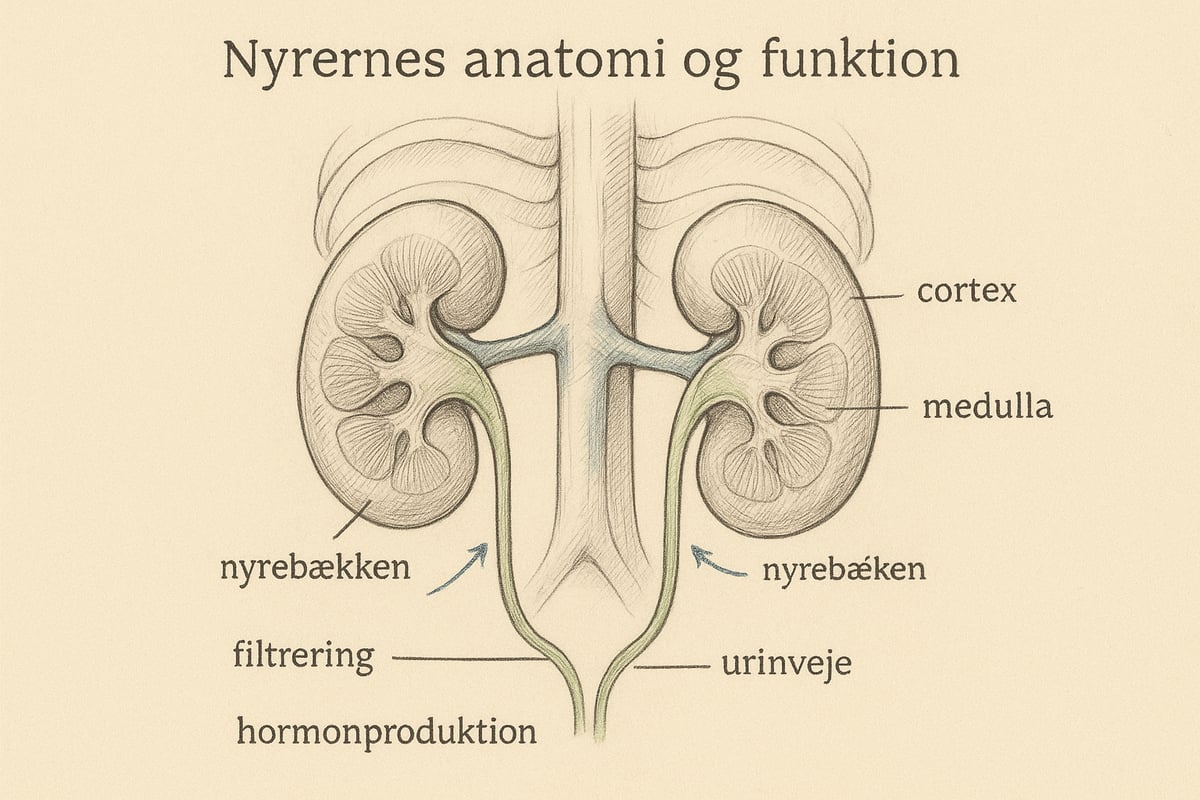
Location and structure of the kidneys
The kidneys are located at the back of the body, just below the lower ribs. They are bean-shaped and measure approximately 10-12 cm in length, weigh about 150 grams each, and are located on opposite sides of the spine for protection. Inside, the kidneys are divided into the cortex, medulla, and renal pelvis. A healthy person typically has two kidneys. Anatomical models are often used in health education to illustrate the function of the kidneys. If you want to learn more about their structure and role, you can find more information in Anatomy and Function of the Kidneys .
Main functions: Filtration and homeostasis
A key answer to the question “what is the function of the kidneys” is their ability to filter the blood and remove waste products. The kidneys maintain the body’s fluid and electrolyte balance by regulating the amount of sodium, potassium and water. They also help control blood pressure and produce important hormones such as erythropoietin and renin. A specific example is that the color of urine changes when you are dehydrated because the kidneys concentrate the urine to conserve fluid.
The role of the kidneys in acid-base balance
When examining the function of the kidneys, it is important to mention their role in regulating the pH of the blood. The kidneys excrete hydrogen ions and reabsorb bicarbonate, which helps the body maintain a stable acid-base balance. Without this balance, even small changes in pH can lead to serious health problems. In Denmark, acid-base disorders are seen especially in patients with chronic diseases, which emphasizes the importance of the kidneys for the body's overall homeostasis.
Blood flow and the filtration process
What is the function of the kidneys in relation to blood flow? The kidneys filter about 1.2 liters of blood every minute, which is about 20 percent of the cardiac output. The filtration takes place in small units called glomeruli, where waste products are quickly removed from the blood. The glomerular filtration rate (GFR) is used as a measure of kidney function. In comparison, the kidneys have a much higher blood flow per unit weight than most other organs, which is essential for efficient excretion of waste products.
Examples of the importance of the kidneys to the body
When the kidneys fail, it is clearly felt in the body. A classic example is kidney failure, where waste products accumulate, blood pressure rises, and fluid balance is disturbed. In Denmark, several thousand people live with impaired kidney function, which shows how important it is to know what function the kidneys have. Statistics from health authorities indicate that early detection and treatment can significantly improve quality of life.
The Role of the Kidneys in the Body's Daily Functioning
The kidneys play a central role in the body's daily balance and well-being. They work constantly to ensure that our internal environment remains stable, which is essential for health. To understand what the kidneys do in practice, we must delve into their many tasks.
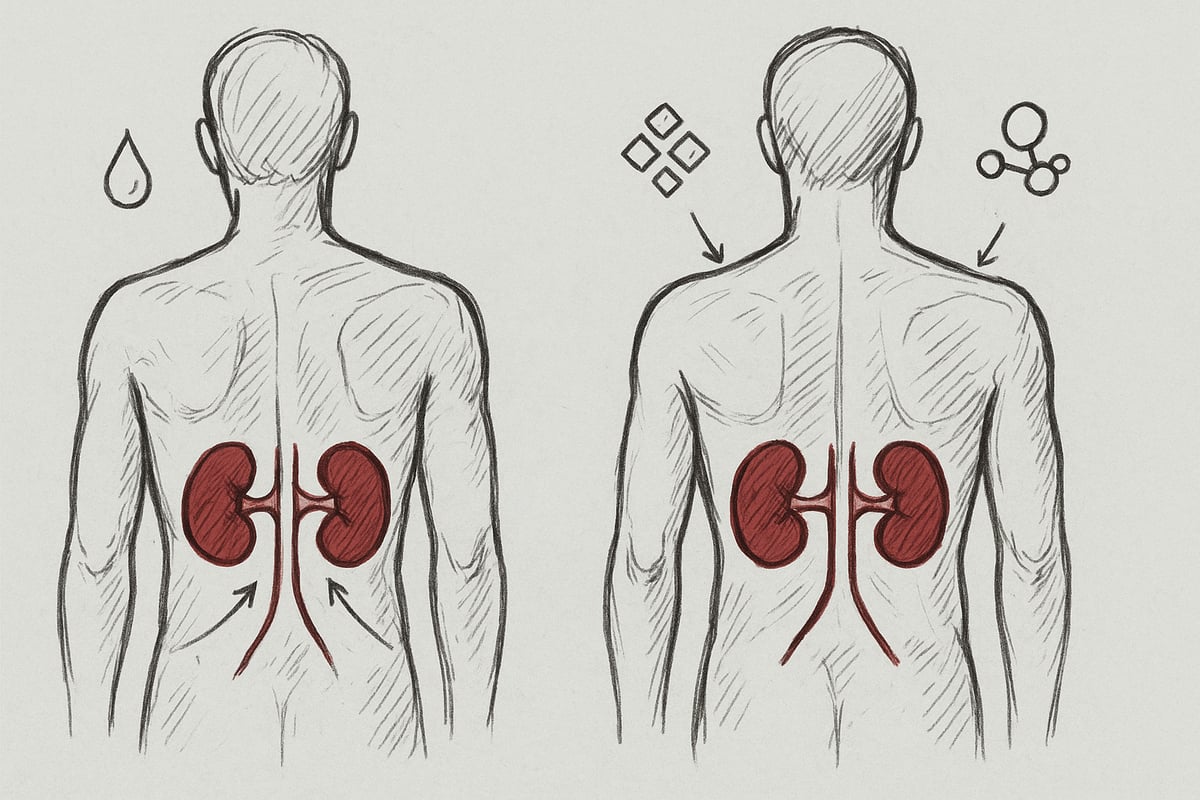
Regulation of fluid and salt balance
One of the most important tasks when asked what the function of the kidneys is is to regulate the body's fluid and salt balance. The kidneys ensure that the levels of sodium, potassium and water are kept stable. This has a great impact on blood pressure and circulation.
If you eat too much salt, your kidneys have to work extra hard to excrete the excess sodium. This can increase blood pressure if the balance is not maintained. On average, Danes consume more salt than recommended, which puts extra pressure on the kidneys.
To illustrate this process in practice, you can see how the color of urine changes when you are dehydrated. Light urine indicates good fluid balance, while dark urine is often a sign of dehydration.
Excretion of waste products and toxins
When we examine the function of the kidneys, the excretion of waste products and toxins is a core task. Every day, the kidneys filter large amounts of blood and remove urea, creatinine and ammonia. These substances arise as byproducts of the body's metabolism.
The kidneys also play an important role in excreting drug residues and environmental toxins from the body. It is estimated that we excrete several hundred grams of waste products through urine every day. Without this function, the body would quickly become poisoned.
If the kidneys are not functioning optimally, the concentration of waste products can increase. This can lead to fatigue, nausea or, in the worst case, life-threatening conditions.
Hormone production and importance
An often overlooked part of the answer to the question of what the kidneys do is their ability to produce important hormones. The kidneys produce erythropoietin, which stimulates the production of red blood cells. Without this hormone, blood counts can drop, which is often seen in people with chronic kidney disease.
The kidneys also produce renin, which helps regulate blood pressure, as well as calcitriol, which is the active form of vitamin D. These hormones affect circulation, bones, and blood composition.
When the kidneys' hormone production fails, it can lead to both anemia and disturbances in the body's calcium balance. This emphasizes how many functions the kidneys actually have.
The role of the kidneys in blood pressure regulation
When asked what function the kidneys have in relation to blood pressure, the answer is closely linked to the RAAS system (Renin-Angiotensin-Aldosterone System). This system is activated when the body needs to raise or lower blood pressure.
The kidneys release renin, which sets off a chain reaction that regulates both blood volume and vascular tone. In kidney disease, this regulation can fail, which is often seen as high blood pressure.
Research shows that kidney problems are a common cause of secondary hypertension in Denmark. Therefore, it is important to check kidney function in cases of unexplained high blood pressure.
Interaction with other organs
To understand the overall function of the kidneys, one must look at their interaction with other organs. The kidneys work closely with the liver to detoxify the blood. The heart and kidneys are connected through the regulation of blood volume and pressure.
In addition, the kidneys work with the lungs to maintain the body's acid-base balance. In severe kidney disease, multiple organs can be affected, leading to multi-organ failure.
If you want a more detailed explanation of the location, structure and function of the kidneys, you can read more in Kidney Function and Anatomy . This provides a deeper insight into how the kidneys contribute to the body's health on a daily basis.
Kidney Diseases and Risk Factors
Kidney disease can affect anyone and has a major impact on the function of the kidneys in the body. Many people are unaware that even small changes in kidney function can lead to serious health problems. Understanding the most common diseases, risk factors and symptoms is crucial for early detection and prevention. Here you will get an overview of the most important areas so you can take care of your kidneys.
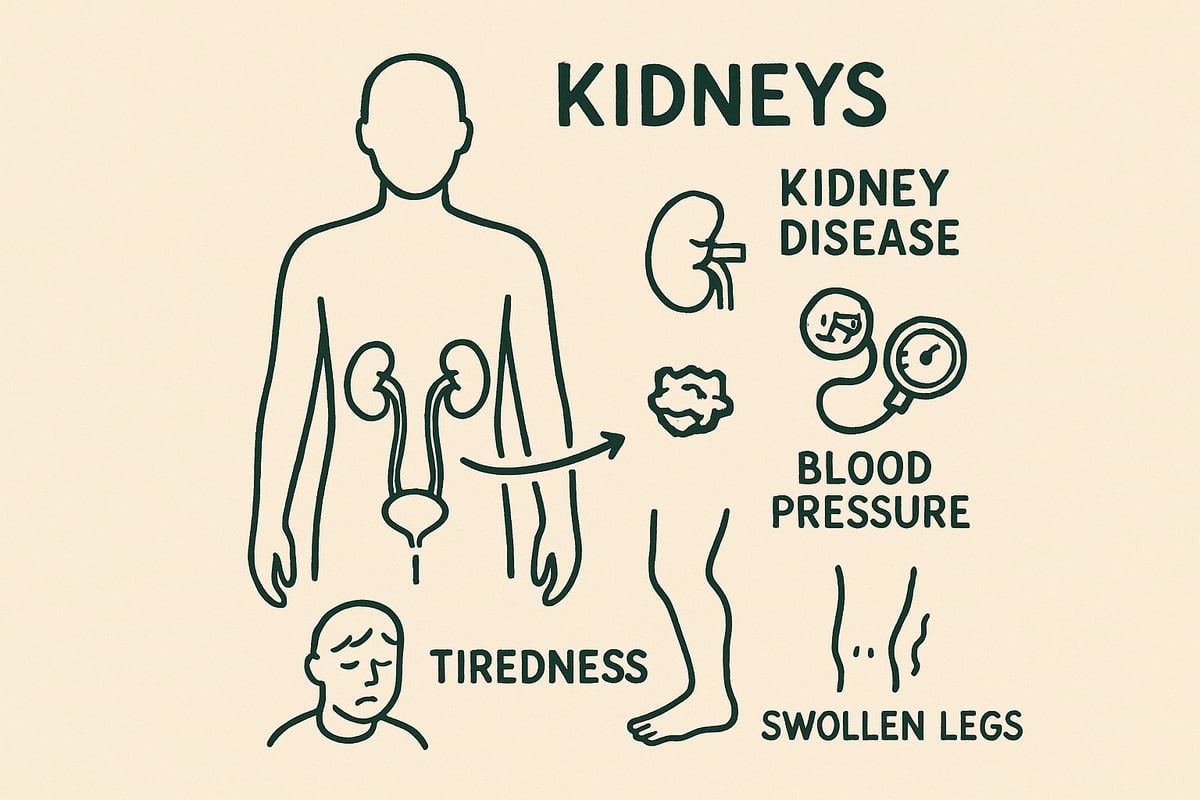
Common kidney diseases
When we talk about the function of the kidneys, it is important to know the most common kidney diseases. Chronic kidney disease (CKD) develops slowly and affects up to 10 percent of the Danish population. Acute kidney failure occurs suddenly and requires rapid treatment. Kidney stones can cause severe pain and block the urinary tract, while infections such as pyelonephritis can lead to permanent damage.
According to the latest recommendations on chronic kidney disease 2024, early detection and treatment are essential to avoid progression to kidney failure. Statistics show that the number of Danes with kidney disease is increasing, which emphasizes the need for attention to symptoms and risk factors.
Risk factors for kidney failure
To understand the function of the kidneys, we need to know the biggest risk factors for kidney failure. The most important are diabetes and high blood pressure, which together account for the vast majority of new cases. Hereditary diseases such as polycystic kidney disease also play a role.
Other important risk factors include:
- Overweight and obesity
- Smoking
- Long-term use of certain pain medications
- High salt intake
Statistics from Denmark indicate that the number of people with at least one risk factor is growing. The more risk factors, the greater the likelihood of developing kidney problems.
Symptoms of kidney problems
The symptoms of kidney failure can be difficult to detect, which makes it important to know the signs. By keeping an eye on how your kidneys are functioning in your everyday life, you can catch problems early. Typical symptoms include:
- Fatigue and decreased energy
- Swollen ankles and feet
- Changed urine pattern, e.g. foamy or dark urine
- High blood pressure
- Itching and nausea
Many patients report nonspecific symptoms that can be easily overlooked. Therefore, Danish kidney associations recommend paying attention to changes, especially if you have known risk factors.
Diagnostic methods and early detection
Early detection is essential to protect the function of the kidneys. Diagnosis is most often made through blood tests, which measure creatinine and glomerular filtration rate (GFR). Urine tests may reveal protein or blood, which are signs of damage.
Imaging tests such as ultrasound and CT scans are used to examine structural changes. The earlier a disease is detected, the better the chances of slowing its progression and preserving kidney function. Regular health checks are recommended, especially for people at increased risk.
Prevention and lifestyle changes
Prevention is about protecting the function of the kidneys through healthy choices. A balanced diet with limited salt, regular exercise, and adequate fluid intake are essential. Controlling blood pressure and blood sugar can prevent many cases of kidney disease.
It is also important to avoid smoking and unnecessary use of painkillers. National health initiatives offer guidance and support for lifestyle changes. Small changes in everyday life can make a big difference to the health of your kidneys and your overall quality of life.
Future Kidney Research and Technological Advances Towards 2026
The future of kidney research brings groundbreaking technologies and new insights that can change treatment, prevention and understanding of kidney function. Developments are happening rapidly, and the coming years will offer both digital solutions and advanced medical treatments.
New treatment methods and medications
Research into the function of the kidneys is leading to new treatments that target specific disease mechanisms. Personalized medicine, where treatment is tailored to the patient's genetics, is on the rise. New drugs that affect metabolism are showing promising results, especially in the treatment of chronic kidney disease. As an example, you can read more about the future treatment of kidney disease , where adjusting the amino acid lysine is being investigated as a potential treatment. This development may improve the possibilities of slowing the progression of the disease and increasing the quality of life.
Technological innovations: Artificial kidneys and dialysis
Technological advances are revolutionizing the function of the kidneys for treatment purposes. Researchers are working intensively on portable and less burdensome dialysis machines that can give patients greater freedom in their daily lives. The development of bio-printed kidneys is another visionary area where 3D bioprinting of tissue can pave the way for future transplants. In Denmark, approximately 2,000 patients are on dialysis, and new technologies are expected to improve both life expectancy and comfort for this group.
Early diagnosis with AI and big data
The implementation of artificial intelligence and big data is changing how we detect diseases related to kidney function. AI algorithms can analyze large amounts of health data from national registries and identify early signs of kidney damage. Danish hospitals are actively participating in research projects where machine learning is used to improve diagnosis and risk assessment. Early detection makes it possible to start treatment earlier and thus prevent serious complications.
Prevention through digital health
Digital health solutions are playing an increasing role in monitoring and preventing diseases that affect kidney function. Apps for monitoring kidney function, fluid intake and blood pressure help both patients and healthcare professionals keep track of risk factors. Telemedicine consultations and online advice make it easier to follow up and respond quickly to changes in health. Statistics show that more Danes are using digital health apps, which strengthens preventive efforts.
Collaboration between research and the healthcare sector
Interdisciplinary collaboration is essential to understand and improve the future function of the kidneys. Scientists, doctors and companies are forming partnerships to develop new technologies, treatments and diagnostics. EU-funded projects bring together experts from across Europe and promote the exchange of knowledge and experience. This collaboration ensures that the latest research is quickly translated into practice, benefiting both patients and healthcare providers.
How to Take Care of Your Kidneys: Practical Advice for Everyday Life
Understanding the function of your kidneys is the first step towards taking care of them in your daily life. Small changes can make a big difference to your kidney health and thus to your entire body. Here you will get concrete advice to protect your kidneys and ensure that they function optimally – both now and in the future.
Drink enough fluids and choose healthy beverages
The kidneys' ability to filter blood and excrete waste products depends on fluid balance. To support the function of the kidneys, adults should consume 1.5-2 liters of fluid per day, depending on activity and temperature.
Water is the best drink for your kidneys as it helps flush out waste products and prevents the formation of kidney stones. Avoid sugary sodas and energy drinks as they can put unnecessary strain on your kidneys.
A simple tip is to keep an eye on the color of your urine. Dark urine can be a sign of dehydration, while light, almost clear urine indicates good fluid balance.
- Drink regularly throughout the day
- Choose water as your primary beverage
- Avoid excess coffee, alcohol and sugary drinks
Maintaining fluid balance is crucial for maintaining the function of the kidneys.
Healthy diet and salt restriction
A varied diet with fruits, vegetables and whole grains is essential for kidney health. To support the function of the kidneys, you should especially limit your salt intake. Too much salt causes the body to retain fluid and increases blood pressure, which can damage the kidneys over time.
On average, Danes consume more salt than recommended. Therefore, choose foods with low salt content and use herbs instead of salt for flavor.
- Eat lots of vegetables and whole grains
- Cut down on ready-made meals and snacks with a lot of salt
- Avoid adding extra salt at the table.
If you want to know more about how you can live a healthy life with a focus on your kidneys, you can read Healthy lifestyle with chronic kidney disease , where you will find more practical advice.
A healthy diet is the key to ensuring that the function of the kidneys is supported as best as possible.
Exercise and weight control
Regular physical activity is important for the whole body, not least for the kidneys. When you maintain your weight, the pressure on the kidneys is reduced and blood pressure is kept in check. This is crucial for the function of the kidneys, as being overweight and inactivity increases the risk of kidney disease.
You don't have to run a marathon – walking, cycling or swimming several times a week makes a big difference. Combine exercise with healthy eating habits for optimal effect.
- Find a form of exercise you like
- Set realistic goals
- Involve family or friends for motivation
By prioritizing exercise, you both strengthen your circulation and ensure that the function of your kidneys is preserved.
Avoid smoking and excessive medication use
Smoking damages blood vessels, which affects the kidneys' ability to filter blood. Similarly, excessive use of certain painkillers, such as NSAIDs, can damage kidney tissue. To protect the function of your kidneys, you should avoid smoking and be aware of your medication use.
Always talk to your doctor before taking painkillers for an extended period of time, especially if you have other risk factors for kidney disease.
- Stop smoking or get help to quit smoking
- Use medication only after consulting a doctor.
- Avoid self-medication with strong painkillers
Avoiding smoking and overuse of medication is essential to ensure that the function of the kidneys is not compromised.
Regular monitoring and tracking
It is important to monitor your kidney function, especially if you have risk factors such as diabetes or high blood pressure. By regularly having your blood pressure, urine and possibly blood tests measured, problems can be detected early.
Ask your doctor when it is appropriate for you to be checked. Early detection improves the chances of maintaining kidney function throughout life.
- Get your blood pressure and blood sugar checked
- Ask for a kidney check if you suspect symptoms
- Follow your doctor's recommendations for follow-up.
By regularly checking and paying attention to symptoms, you can protect the function of your kidneys and prevent serious diseases.
Widespread Knowledge and Education about Kidney Function
Understanding the function of the kidneys is crucial for both healthcare professionals and the general public. Information and education play a key role in ensuring that more people understand the importance of healthy kidneys. Therefore, authorities and organizations are working purposefully to promote knowledge about the role of the kidneys in the body.
The importance of information and education
Campaigns and educational initiatives are of great importance in spreading knowledge about the function of the kidneys. Patients, relatives and healthcare professionals benefit from updated information about the prevention, symptoms and treatment of kidney diseases.
National Kidney Health Weeks focus on early detection and prevention. Schools and universities are continuously working to integrate kidney education into the curriculum, strengthening general understanding in society.
Anatomical models and visual aids in teaching
An effective way to learn about the function of the kidneys is through the use of anatomical models and visual aids. Models and posters make it easier to visualize the structure of the kidney and understand the processes behind filtration and homeostasis.
Students, patients and healthcare professionals alike benefit from being able to see and touch physical models. Many schools use Anatomical models of kidneys to make teaching more vivid and practically oriented.
eAnatomy: Anatomical Models and Posters for Kidney Understanding
eAnatomi offers specially developed resources that explain the function of the kidneys in an easy-to-understand way. Their models and posters have been developed in collaboration with experts and are widely used by both schools and healthcare professionals.

With a focus on accuracy and pedagogy, these materials contribute to a better understanding of kidney function and diseases, strengthening both education and awareness across the country.
Future learning methods and digital resources
Digital solutions are gaining ground when it comes to conveying knowledge about the function of the kidneys. Online courses, apps and VR simulations allow for flexible learning and self-study.
Many learning institutions report increasing use of digital resources, making it easier to adapt teaching to different student groups and strengthening individual understanding of complex topics.
The role of society in promoting kidney health
Partnerships between the healthcare sector, businesses and educational institutions are key when it comes to spreading knowledge about the function of the kidneys. Early information and collaboration across sectors can contribute to preventing diseases and promoting public health.
Now that you have an insight into how central the kidneys are to everything from blood pressure to body balance, it can be valuable to delve even deeper into how they actually work. Whether you are a student, a teacher or simply curious about your own health, visual aids such as detailed models and posters make it easier to understand complex relationships. At eAnatomi you will find materials developed in close collaboration with healthcare experts, so you can always be sure of the quality.
Want to learn more about kidney function and see the latest teaching tools? Read more here
0 comments