

Imagine a society where technological advances and an aging population place new demands on healthcare. This is where neurology plays a crucial role and becomes increasingly central to our everyday lives.
This article guides you through everything you need to know about what neurology is and why the profession is so important in 2026. We explain how neurology is evolving and affecting both patients and healthcare professionals.
Neurology is often at the forefront of diagnosing and treating complex diseases, making it a key player in modern medicine.
Read on and get an overview of the definition of neurology, the most common diseases, educational paths, the latest technologies, career opportunities and future challenges.
What is neurology? Basic concepts and definitions
Neurology is the medical specialty that deals with the study of the structure, function, and diseases of the nervous system. When you ask what neurology is, it is about understanding how the brain, spinal cord, and nerves work together to control both the body and mind.
The discipline differs from related fields such as neurosurgery, which focuses on surgical treatments, and psychiatry, which deals with mental disorders. Neurology primarily studies the medical aspects of diseases of the nervous system and their treatment.
Throughout history, neurology has evolved from a branch of general medicine to a highly specialized discipline in its own right. In the 19th and 20th centuries, advances in anatomy, physiology, and technology enabled neurologists to identify and treat an increasing number of diseases. Today, what is neurology is a question that has gained greater importance as society has become increasingly focused on brain health.
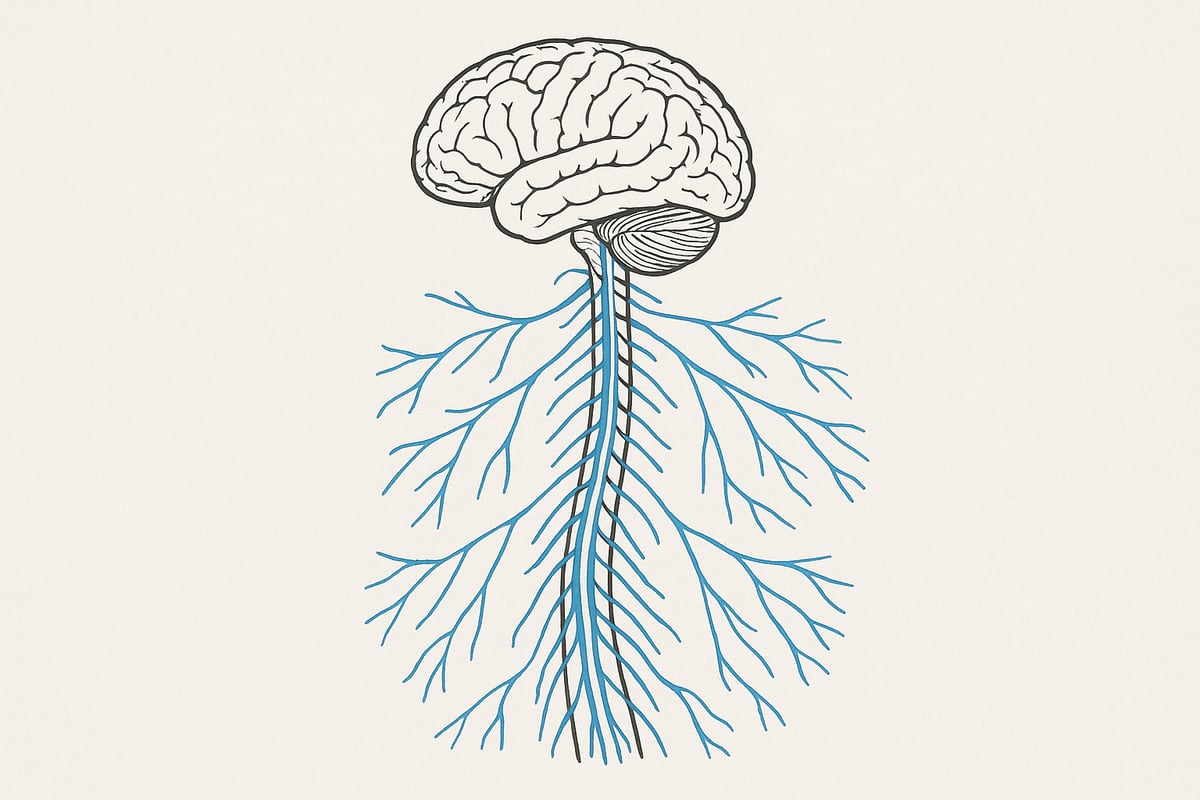
The nervous system consists of three main parts: the brain, the spinal cord, and the peripheral nerves. The brain's complex structure contains billions of nerve cells, while the spinal cord acts as a link between the brain and the rest of the body. The peripheral nerves send signals to muscles and organs. For a more detailed review of the anatomy of the nervous system, you can read this nerve poster and the nervous system , which illustrates the most important elements visually.
Neurology is now considered a key discipline in modern medicine. It plays a central role in the diagnosis and treatment of diseases such as epilepsy, multiple sclerosis, Parkinson's disease, and stroke. These diseases affect movement, senses, memory, and behavior.
Statistics show that neurological diseases are among the most widespread and burdensome in Denmark as well as internationally. For example, strokes affect around 12,000 Danes per year, while over 8,000 live with multiple sclerosis. These figures emphasize how important it is to understand what neurology is, both for healthcare professionals and patients.
Having insight into the basic concepts of neurology provides an opportunity to better understand disease development, treatment and prevention. For health professionals, it is crucial to be able to identify symptoms early, while patients and relatives are given greater options for action through knowledge. Therefore, the answer to the question, what is neurology, is not only theoretical, but has great practical importance for quality of life and health in society.
The most common neurological diseases and their symptoms
Neurological diseases affect the lives of thousands of Danes every year. Many ask themselves: what is neurology, and how do you recognize the most common diseases? It is crucial for both patients and healthcare professionals to be able to identify symptoms early, as rapid intervention can significantly improve the prognosis.
Below we review the most common neurological diseases and their symptoms, divided according to where in the nervous system they occur.
Brain and spinal cord diseases
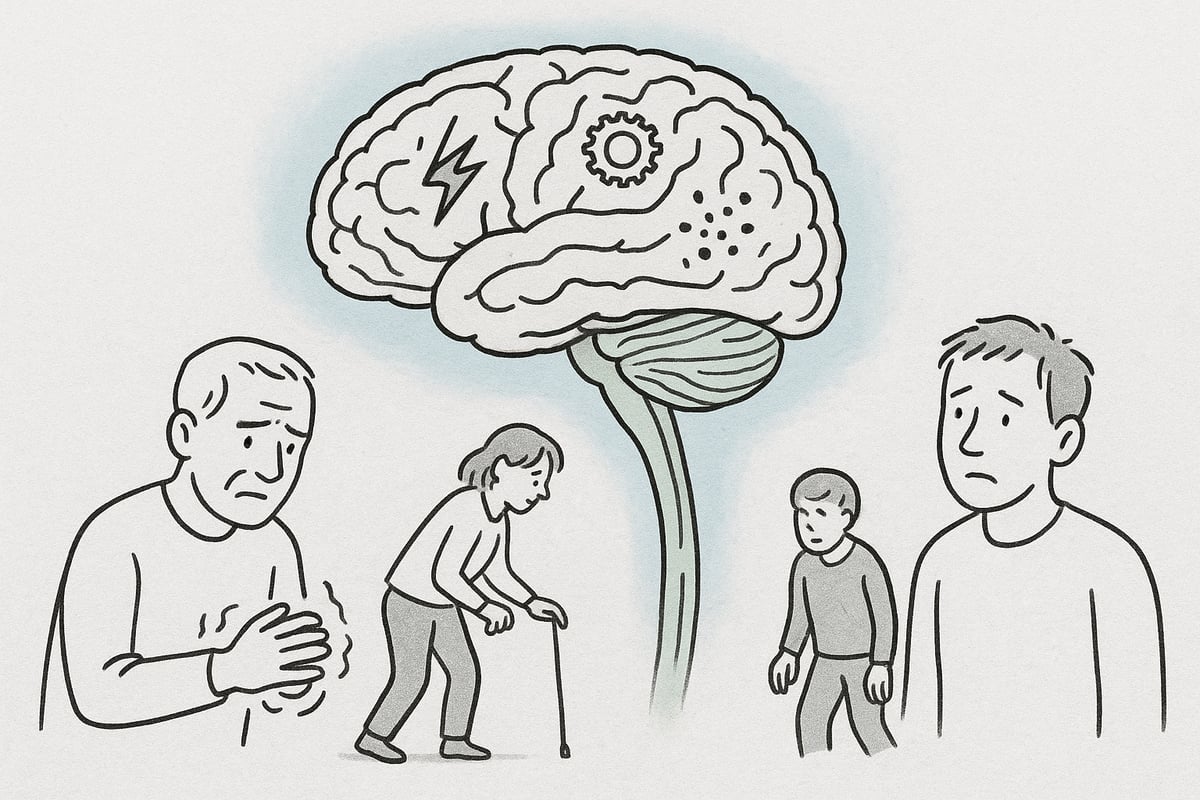
When we examine what neurology is, diseases of the brain and spinal cord are central. Stroke (apoplexy) is among the most common neurological conditions in Denmark. The cause is often a blood clot or bleeding in the brain, which can lead to paralysis, difficulty speaking and vision loss. Early warning signs include sudden weakness in the face or arms, confusion and problems speaking.
Multiple sclerosis (MS) mainly affects younger adults. MS is caused by an autoimmune reaction in which the body's own immune system attacks the nerve pathways. Typical symptoms are sensory disturbances, vision loss and problems with balance. The course of the disease can vary greatly from person to person.
Parkinson's disease develops gradually. It is characterized by tremors, rigidity and slow movements, but also non-motor symptoms such as depression and sleep disorders. Early diagnosis of these diseases is crucial to initiate treatment quickly.
Statistics show that the number of people with neurological diseases is increasing as the population ages. For a more thorough understanding of the structure of the brain and the location of diseases, see this brain poster and brain anatomy .
Diseases of the peripheral nervous system
An important part of what is neurology is the understanding of the peripheral nervous system. Polyneuropathy is a general term for diseases in which many nerves outside the brain and spinal cord are damaged. This often manifests as numbness, tingling, or weakness in the hands and feet. Diabetes is one of the most common causes of polyneuropathy.
Guillain-Barré syndrome occurs acutely and can cause rapid development of muscle weakness, especially in the legs, which can spread to the rest of the body. Early treatment is crucial and can mean the difference between full recovery or permanent damage.
Nerve compression syndromes, such as carpal tunnel syndrome, are caused by pressure on a nerve, often in the wrist, causing pain and tingling in the hand. These conditions can be difficult to diagnose because the symptoms often resemble other conditions.
Data shows that up to 8 percent of adults in Denmark have symptoms of one or more forms of peripheral nerve disease. Knowledge of what neurology is helps to distinguish between the different conditions and choose the right treatment.
Functional and rare neurological disorders
A central part of what is neurology is the management of functional and rare neurological disorders. Epilepsy is one of the best known – it manifests itself in repeated seizures, which can vary from brief loss of consciousness to violent convulsions. Treatment is tailored to the individual and can often stabilize the disease.
Migraines and other headache disorders affect the quality of life of many people. Symptoms range from throbbing headaches to nausea, sensitivity to light and reduced ability to function. For some, the disease is debilitating and requires specialized treatment.
Rare diseases such as ALS and Huntington's chorea affect only a few people but have serious consequences. ALS leads to muscle wasting and loss of function, while Huntington's causes both movement disorders and mental changes.
Statistics from recent years indicate that early diagnosis improves treatment and support options. Therefore, it is important that both patients and professionals have knowledge about what neurology is and the broad spectrum of neurological diseases.
How to become a neurologist: Educational path and specialization
Understanding what neurology is is not only about diseases, but also about the path to becoming an expert in the field. In Denmark, it requires dedicated effort to train as a neurologist, and the process is carefully structured to ensure high professionalism.
The educational path encompasses both theoretical knowledge and practical skills. For many, the motivation is to be able to make a real difference for patients with complex neurological diseases. Let's delve into how the education is conducted, what the requirements are, and what the future holds for future neurologists.

The educational process from medical studies to specialist practice
The path to becoming a neurologist begins with admission to medical school. The education typically takes six years and ends with a master's degree. This is followed by a rotation, where you work as a doctor under supervision. This course provides broad clinical experience and is essential for understanding what neurology is in practice.
Once the rotation is completed, you can apply for an introductory position in neurology. This gives you the opportunity to try out the subject and assess whether the specialization matches your interests. Subsequently, the main education in neurology requires several years of work in neurological departments, where the doctor gradually gains increased responsibility and specialized skills.
The structure of specialist training is regulated and updated continuously. To stay up to date with the latest requirements and opportunities, it is recommended to visit the Danish Neurological Society , which offers resources and guidance for future neurologists.
Along the way, you develop both technical, academic and communication skills. Typical challenges include balancing clinical work, research and private life, as well as keeping up with new treatment methods. Understanding what neurology is in depth therefore requires both persistence and curiosity.
Practical training and further education
Clinical practice is central to neurology education, as it is where you learn to manage patients and diagnose complex conditions. Simulation training has become an important supplement, allowing doctors to practice realistic scenarios without risk to patients.
Continuing education is necessary as neurology is developing rapidly. Many choose to subspecialize, for example in neuroimmunology or epileptology. Collaboration across specialties and in multidisciplinary teams strengthens both the quality of treatment and the working environment.
Courses, conferences and international networks play an important role in staying up to date. For new doctors, it is important to know what neurology is in a modern healthcare system and how to best contribute through lifelong learning.
New learning tools and technologies
In recent years, digital platforms and e-learning have become an integral part of neurology education. Virtual patient cases and 3D models provide the opportunity to practice diagnosis and treatment in a safe environment.
Statistics show that the use of digital teaching tools among medical students has increased significantly. Innovative technologies such as adaptive learning platforms and interactive simulations make it easier to learn what neurology is and how to apply this knowledge in practice.
Examples of new tools include apps for neurological examination and virtual courses that make learning flexible and accessible, underscoring the importance of understanding what neurology is, both in theory and practice.
Diagnostic methods and technological advances in 2026
Diagnostics is the cornerstone of neurology. As technology advances, both methods and tools change significantly. In this section, you will get an overview of how classic methods are combined with new digital innovation and groundbreaking research that will set the direction for what neurology will be in 2026.
Classic and modern diagnostic tools
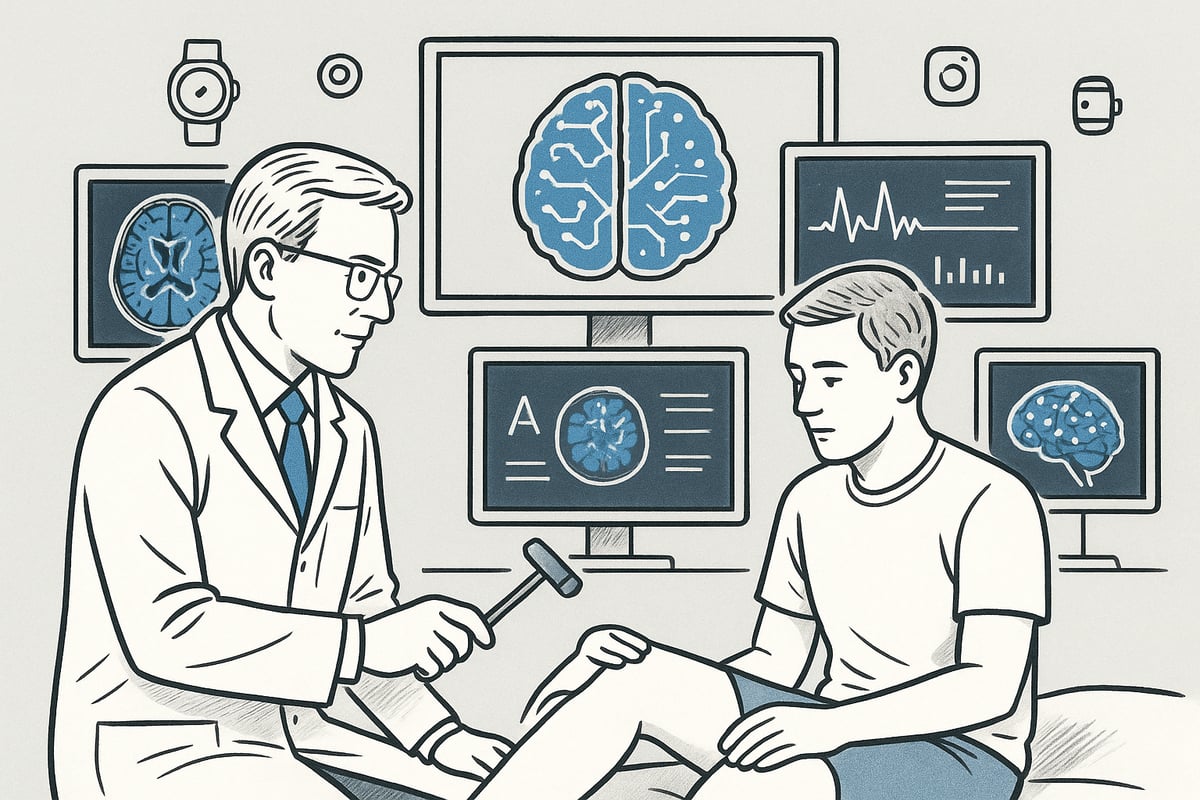
Diagnostic methods form the foundation of what neurology is and how diseases are identified. The neurological examination often begins with a thorough history, where the patient's symptoms, medical history and daily functioning are uncovered. This is followed by an objective examination that includes reflex tests, muscle strength, coordination and sense of touch.
Imaging diagnostics have taken on a central role in neurology. MRI scans are used to visualize the brain and spinal cord in detail, while CT and PET scans provide rapid and functional images. Laboratory tests, such as blood tests and lumbar puncture, provide important information about infections or autoimmune reactions. Genetic tests are becoming increasingly common, especially in hereditary neurological diseases.
An essential part of the clinical assessment is the understanding of dermatomes and innervation areas. To gain a deeper insight into these methods, you can read more about diagnostic methods in neurology . The classic methods continue to have great importance, but their limitations often lie in non-specific findings and the need for advanced imaging for final clarification.
Table: Comparison of classic and modern tools
| Method | Advantage | Restriction |
|---|---|---|
| History | Individual insight | Subjectivity |
| Reflex tests | Fast, cheap | May overlook subtle findings |
| MRI/CT/PET | Detailed anatomy | Expensive, requires expertise |
| Genetic tests | Accurate diagnosis | Ethical challenges |
The right combination of classical and modern methods is crucial for accurate diagnostics and treatment in neurology.
New technologies and digital innovation
In 2026, digital innovation will play an increasingly important role in what is neurology. Artificial intelligence (AI) is being used to analyze large amounts of image data, making it possible to identify subtle changes that the human eye may miss. AI algorithms help predict disease progression and optimize treatment strategies.
Telemedicine has revolutionized the follow-up of patients with neurological disorders. Many consultations now take place online, and remote monitoring via apps and sensors provides ongoing data on the patient's condition. Wearables such as smartwatches and wireless sensors can measure movement, sleep and cognitive functions, providing a more nuanced picture of the development of the disease.
In Danish clinics, digital solutions are increasingly being implemented. For example, virtual patient cases and advanced 3D models are used for both diagnostics and education. This technological development is not only changing working methods but also expanding the understanding of what neurology is in practice.
Patients experience greater accessibility and involvement, while healthcare professionals gain better opportunities for early intervention and follow-up. At the same time, digitalization places new demands on data security and ethical handling of health data.
Research and future diagnostics
Research in neurology is moving rapidly. The development of biomarkers makes it possible to diagnose diseases much earlier than before. For example, intensive work is being done to find blood or spinal fluid markers that can detect neurodegenerative diseases such as Alzheimer's and Parkinson's at a very early stage.
Personalized medicine is another area of focus. Here, diagnostics and treatment are tailored to the individual patient's genetic profile and disease pattern. This approach is supported by precision diagnostics, where advanced algorithms use both clinical and genetic data to make more targeted decisions.
Statistics show that the speed and accuracy of diagnosis have increased significantly in recent years. This means that more patients are receiving the correct diagnosis faster, which improves the prognosis. The research is expected to lead to even more precise and gentle methods that will revolutionize the understanding of what neurology is in the future.
The diagnostics of the future will require close collaboration between clinicians, researchers and technology experts. Ethical considerations and patient involvement will become even more important to ensure responsible use of new methods and data.
Treatment and rehabilitation in neurology
Treatment within neurology spans a broad spectrum of options, with both medical and surgical interventions, rehabilitation and patient education playing a key role. When one asks oneself what neurology is in practice, it is often the treatment process that illustrates the complexity of the profession and its importance to the patient's quality of life.
Medical and surgical treatment options
When it comes to treating neurological diseases, medication is often the first choice. For patients with epilepsy, antiepileptic drugs are used to help reduce or prevent seizures. Migraines are treated with both preventive and acute medications, while Parkinson's disease requires dopamine-based drugs to improve motor functions.
In more complex cases, surgery may be necessary. Deep brain stimulation is used for severe Parkinson's disease, where electrical impulses are sent to specific areas of the brain. Neurosurgical procedures, such as the removal of brain tumors, require close collaboration between neurologists and neurosurgeons.
Patients' outcomes vary greatly, but statistics show that early and targeted treatment increases the chance of a good outcome. The question of what is neurology therefore becomes especially clear when you look at how an accurate diagnosis leads to tailored treatment that can significantly change a patient's everyday life.
Treatment outcomes are often measured by patient satisfaction and improvement in functional ability. In Denmark, neurological centers have achieved high success rates, especially when several professional groups work closely together on the patient.
Rehabilitation and interdisciplinary efforts
Rehabilitation is a central part of neurological treatment, especially after major events such as stroke. Here, physiotherapists, occupational therapists and speech therapists work closely with the patient to retrain motor skills, speech and daily skills. The interdisciplinary collaboration ensures that all aspects of the patient's functional ability are addressed.
A typical case could be a patient who regains the ability to walk and communicate after a stroke through intensive training. Data shows that this type of interdisciplinary effort leads to significantly improved quality of life.
The increasing awareness of the importance of neurology is reflected in national and regional initiatives. For example, the Brain Plan of the Region of Southern Denmark focuses on strengthening interdisciplinary cooperation and securing resources for both treatment and rehabilitation. This helps to define what neurology is as a modern field of practice.
Collaboration and coordination between specialists is crucial to achieving the best outcomes for the patient, regardless of the complexity of the disease.
Patient education and quality of life
Patient education has become an indispensable part of what neurology is today. Understanding their own disease and treatment options gives patients a better opportunity to actively participate in their own course. Digital tools and apps help patients follow medication plans, track symptoms, and stay in touch with healthcare professionals.
Statistics show that increased patient involvement leads to better treatment outcomes and higher satisfaction. Many neurological departments now offer both physical and online support groups where patients and relatives can share experiences and receive support.
Examples of patient initiatives show that information and community can make a big difference to quality of life. When patients gain knowledge about what neurology is, they are better equipped to handle both illness and everyday life on their own terms.
Neurology in society: Future challenges and opportunities
Neurology is facing significant changes as society evolves. Population composition, technological advances, ethical dilemmas, and the labor market shape how we understand and work with neurology in 2026. This article highlights the key trends, challenges, and opportunities that characterize the field now and in the future.
Demographic and societal trends
One of the most significant societal challenges for neurology is the aging population. More Danes are living longer, which means that neurological diseases such as dementia, Parkinson's disease and stroke are becoming more prevalent. Statistics show that the number of people over 65 is expected to increase significantly towards 2030, increasing the pressure on the healthcare system.
This development makes it important to understand what neurology is and how the profession can adapt to new needs. The healthcare system is facing more patients, but often fewer specialists. This requires efficiency, prioritization and new ways of organizing treatment and care.
At the same time, society is focusing on developing prevention strategies. Initiatives such as information campaigns and early screening are gaining ground. Municipalities and regions are working more closely together to ensure that patients with neurological diseases have rapid access to diagnosis and treatment.
Prevention and early intervention will be crucial if society is to deal with the increasing incidence of neurological disorders. A broad understanding of what neurology is is therefore central, not only for healthcare professionals, but for the entire population.
Technological development and digital transformation
Technology is playing an increasingly important role in neurology. Artificial intelligence (AI) and big data are helping researchers and clinicians analyze large amounts of health data to make diagnosis and treatment more accurate. Digitization of patient records and sharing of data across sectors are making it easier to track patients’ progress.
Many people ask themselves, what is neurology in a digital age? The answer is that the field is increasingly integrating digital solutions. Telemedicine makes it possible to follow patients remotely, and sensors or wearables can measure neurological functions in everyday life. This gives both patients and therapists new opportunities for ongoing monitoring and adaptation of treatment.
However, technological advances also create new risks. Increased use of data requires a focus on data security and the correct handling of sensitive information. At the same time, not all patients can keep up with digital developments, which places demands on inclusion and usability.
The possibilities are great, but it is crucial that the development supports the core values of neurology: precision, patient safety, and ethical responsibility.
Ethical and legal aspects
Neurology is often confronted with complex ethical and legal challenges. Developments in genetic testing allow for early diagnosis of certain neurological diseases, but at the same time raise questions about data protection and patient autonomy.
What is neurology without respect for the individual's right to make informed choices? It is crucial that patients receive clear and understandable information about the risks and options associated with treatment. New legislative frameworks in 2026 have tightened the requirements for informed consent and the handling of sensitive personal information.
Ethical dilemmas also arise when technologies like AI make decisions that were previously reserved for doctors. The debate about the balance between innovation and ethics therefore occupies a large part of modern neurology.
In conclusion, it is important that all stakeholders in the healthcare system have a common understanding of what neurology is and how ethical principles are put into practice.
Career paths and job market for neurologists
The demand for neurologists is increasing both in Denmark and internationally. More patients mean a need for more specialists, but the training capacity must keep up with the development. According to the Dimensioning Plan 2026-2030 , an increased influx of specialists is planned to meet future needs.
Career paths within neurology are diverse. In addition to classic clinical work, there are opportunities in research, teaching and new roles as a digital neurologist or data analyst. Many ask: What is neurology as a career path in the future? The answer is that the field will be largely characterized by interdisciplinary and technological insight.
Statistics show that the number of vacancies in neurology is increasing, and there is a need for both younger and experienced professionals. Neurologists have the opportunity to influence the development of both treatment and research, making the profession attractive to new generations.
Understanding what neurology is is therefore not only important for patients, but also for those considering a career in this dynamic and socially important specialty.
Now that you have gained insight into the fascinating world of neurology and the opportunities that lie ahead, it is clear how important a solid knowledge of anatomy and the nervous system is – whether you are a student, a healthcare professional or just curious. At eAnatomi ApS, we work closely with experts to develop models and posters that make it easier to understand and communicate complex neurological topics. If you want to dive even deeper or find the latest learning tools within neurology and anatomy, you can Read more here
0 comments