

Did you know that the ear is made up of over 20 individual structures that all work together to make hearing and balance possible? Hearing plays a crucial role in everyday life, from communication to safety and learning.
The purpose of this article is to provide you with the most complete and up-to-date guide to how the ear works in 2026. When you understand the anatomy and function of the ear, you can better take care of your own health, support children's development, and improve your quality of life.
In this guide, you will get an overview of the structure of the ear, the travel of sound, the mechanisms of balance, common ear diseases, prevention and the latest technological advances. Read on and get answers to questions you may have never asked – but which can make a big difference to your well-being.
Anatomy of the Ear: Structure and Function
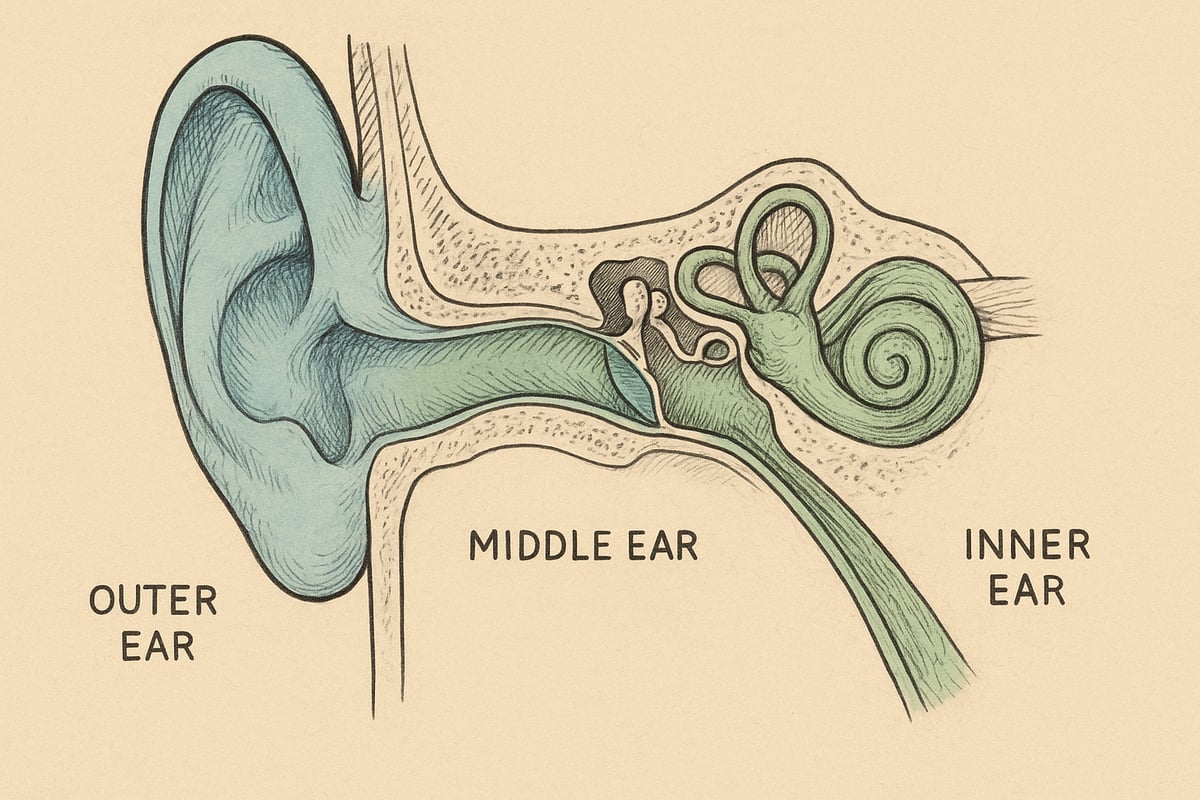
Understanding how the ear works begins with the outer ear, which is the body's first encounter with sound. The earlobe and ear canal work together to capture and direct sound waves towards the eardrum. The ear's unique shape helps us locate where sounds are coming from, which is crucial for both safety and communication. Around 20% of all hearing loss is caused by problems in the outer ear, according to the WHO. Many people mistakenly believe that earwax should always be removed, but in fact it protects against bacteria and dirt. For a more in-depth explanation of the structure and function of the ear, Anatomy and Function of the Ear can provide further insight.
Outer Ear: The Catcher of Sound
When we ask how the ear works, the process starts in the outer ear. The earlobe effectively guides sound waves into the ear canal, where they are amplified and directed toward the eardrum. The shape of the ear is not accidental, but designed to help us distinguish where sounds are coming from.
Statistics show that around 20% of all cases of hearing loss are due to challenges in this area. A common misconception is that earwax needs to be removed frequently, but it actually protects the ear from infection and damage. Proper management of earwax is therefore important for health.
The Middle Ear: The Amplifier of Sound
A central element in how the ear works is the middle ear. Here, sound waves meet the eardrum, which begins to vibrate. These vibrations are transmitted to the three small bones: the hammer, the anvil, and the stirrup. Together, they amplify the sound significantly.
The middle ear also has the Eustachian tube, which equalizes pressure between the middle ear and the pharynx. When this system malfunctions, it can lead to problems such as otitis media, which can temporarily reduce hearing significantly.
Inner Ear: Center of Hearing and Balance
The inner ear is home to one of the most complex parts of how the ear works. The cochlea, also known as the snail, converts mechanical vibrations into electrical signals that the brain can interpret. It also contains the organs of balance, the auditory canals, and the otolith organs.
Over 90% of all cases of sensorineural hearing loss are rooted in the inner ear. Damage to the hair cells in the cochlea can be permanent, making protection of this area extra important.
Nerve Pathways: From Ear to Brain
An important part of how the ear works is the transmission of information. The auditory nerve carries electrical signals from the inner ear to the auditory center in the brain. Here, sounds are interpreted and localized so that we can understand and respond to our surroundings.
If damage occurs to these nerve pathways, it can lead to central hearing loss. The brain plays an active role in sorting and prioritizing the many sound impressions we are exposed to daily.
Development and Variations in the Anatomy of the Ear
When we examine how the ear works, we discover that the anatomy of the ear varies throughout life. Children have shorter and more horizontal ear canals, making them more susceptible to infections. In the elderly, the structures of the ear can change, affecting both hearing and balance.
Genetic variations and congenital malformations may also play a role. For example, hereditary hearing loss can lead to changes in the anatomy of the ear, emphasizing the importance of early detection and intervention.
How We Hear: The Journey of Sound Through the Ear
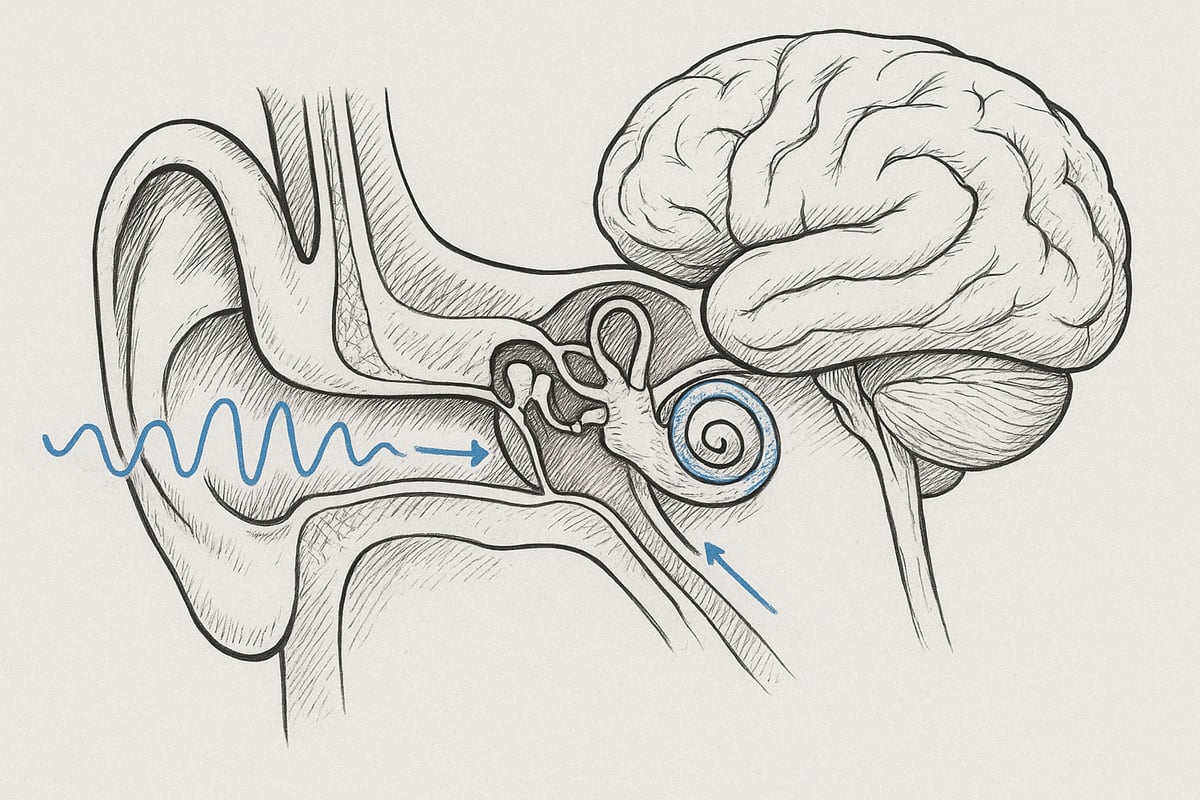
Understanding how the ear works is essential to appreciating the complex process that allows us to hear the world around us. Every sound we perceive undergoes a fascinating journey from the outer ear to the hearing center of the brain. This section guides you step by step through the path of sound, giving you a clear picture of how the ear converts vibrations into meaningful sounds.
Step 1: Sound Input – From Environment to Ear
When we ask "how does the ear work," the journey begins in the outer ear. The earlobe and ear canal capture sound waves from the environment and direct them inward. The ear's unique shape helps amplify certain frequencies and localize where sounds are coming from.
The acoustics of the environment and the anatomy of the ear affect how effectively sound is picked up. For example, a room with lots of soft materials will absorb more sound, while an open area will reflect sounds more clearly.
If you want to delve into the detailed structure of the ear, you can read more atAnatomy of the sensory organs .
Step 2: Eardrum and Bone Strengthening
In the next step, the sound meets the eardrum, which begins to vibrate when sound waves hit it. These vibrations are transmitted to the three small bones of the middle ear: the hammer, the anvil, and the stirrup. Together, they act as an amplifier, increasing the strength of the sound.
The eardrum is so sensitive that it can detect vibrations down to 20 Hz. This allows us to hear both low and high tones. Pressure equalization through the Eustachian tube ensures that the eardrum can move freely, which is important for understanding how the ear functions optimally.
Step 3: The Cochlea's Conversion of Sound into Electrical Signals
Once the sound has been amplified by the bones of the middle ear, the vibrations travel into the cochlea, also known as the snail. Inside the cochlea are thousands of hair cells that respond to different frequencies.
These hair cells convert the mechanical vibrations into electrical signals that can be transmitted to the brain. It is important to note that hair cells cannot be regenerated naturally, so damage to them can lead to permanent hearing loss. This step is central to understanding how the ear works and why protecting hearing is so important.
Step 4: Nerve Impulses to the Brain's Hearing Center
After sound has been converted into electrical signals, they are transported via the auditory nerve to the hearing center of the brain, where the signals are interpreted so that we can recognize voices, music, and sounds from the environment.
The brain is able to filter out background noise, helping us focus on important sounds, even in noisy environments. If the auditory pathway is damaged, it can lead to central hearing loss. For many, this is the most fascinating step in learning how the ear works.
Step 5: Interpretation – How We Perceive Sound
When the signals reach the auditory center, the brain begins to analyze and interpret the information. We can identify up to 400,000 different sounds and quickly determine where they are coming from.
This ability is crucial for everyday safety and social interaction. Understanding how the ear works at this level gives us insight into why hearing is closely linked to our ability to communicate and learn new things.
Examples of Sound Perception in Everyday Life
Imagine having a conversation in a noisy room. This clearly shows how the ear works: Sounds are sorted so that you can focus on the voice in front of you, even if there is background noise.
Sound perception affects our social lives, learning and well-being. Without proper hearing, even small challenges in everyday life can feel overwhelming. Knowing the answer to how the ear works is crucial for both children and adults who want to protect and preserve their hearing.
Mechanisms of Balance: The Ear's Role in Bodily Stability
The body's ability to maintain balance is closely linked to how the ear works. The ear is not only an organ of hearing, but also the center of our balance. The balance system in the inner ear constantly works with the brain to ensure that we can stand upright, walk, and move safely in our daily lives.

The Auditory Canals and Otolith Organs: Sensors of Balance
The three auditory canals and two otolith organs in the inner ear act like the body's own gyroscopes. They detect the head's movements and acceleration in all directions. When you turn your head or stand up, the balance sensors send signals through the nerves to the brain, which immediately adjusts the body's position.
To understand how the ear works in relation to balance, it is crucial to know these structures. The auditory canals respond to rotational movements, while the otolith organs detect linear acceleration, such as when you ride in an elevator. If you want to see what the balance system looks like, Posters on the anatomy of the ear can provide a visual overview.
The Interaction of Eyes and Muscles
The balance system works closely with the eyes and the muscles of the body. When the balance sensors in the ear detect movement, signals are sent to the brain, which coordinates eye movements and muscle tension. This interaction makes it possible to keep your gaze steady, even when your head is moving rapidly.
A full 80% of the information for balance comes from the inner ear. To understand how the ear functions optimally, one must also look at how the ear, eyes and muscles communicate. When one of these parts fails, it can lead to dizziness or unsteady walking.
Typical Balance Disorders and Symptoms
Disturbances in the balance system can cause a variety of symptoms. Ménière's disease, benign positional vertigo, and vestibular neuritis are among the most common disorders. Symptoms can include sudden dizziness, nausea, or involuntary eye movements.
A typical situation is dizziness when turning your head quickly. Knowing how the ear works helps identify whether the symptoms are due to problems in the inner ear or other parts of the body. Early attention to symptoms increases the chances of proper treatment.
List of common balance disorders:
- Ménière's disease
- Benign positional vertigo
- Vestibular neuritis
Diagnostics and Testing of the Balance System
When trying to find the cause of balance problems, various tests are used. The caloric test examines the reaction of the auditory canals by stimulating the ear with hot or cold water. Videonystagmography measures eye movements when the head is rotated, and posturography analyzes the stability of the body on a moving platform.
A correct diagnosis requires an understanding of how the ear works, as small disturbances can cause major symptoms. The table below summarizes the most commonly used tests:
| Test type | What is measured? | Application |
|---|---|---|
| Caloric test | The reaction of the arches | Dizziness |
| Videonystagmography | Eye movements | Balance disorder |
| Posturography | Body stability | Fall risk |
Prevention and Balance Training
Preventing balance problems starts with regular exercise and targeted balance exercises. Physiotherapy can strengthen both the balance system and the muscles around the body. As balance problems increase with age, up to 30% of older people experience dizziness.
To understand how the ear works in relation to prevention, you should prioritize exercises that stimulate the sense of balance. Simple exercises like standing on one leg or walking in a straight line can make a big difference in everyday life.
Common Ear Diseases and Hearing Loss
Ear diseases and hearing loss affect millions of people worldwide, and understanding how the ear works is essential to identifying and managing these challenges. Many people experience symptoms such as pain, itching or hearing loss during their lifetime. Therefore, it is important to know the most common diseases and their consequences.
Acute and Chronic Ear Diseases
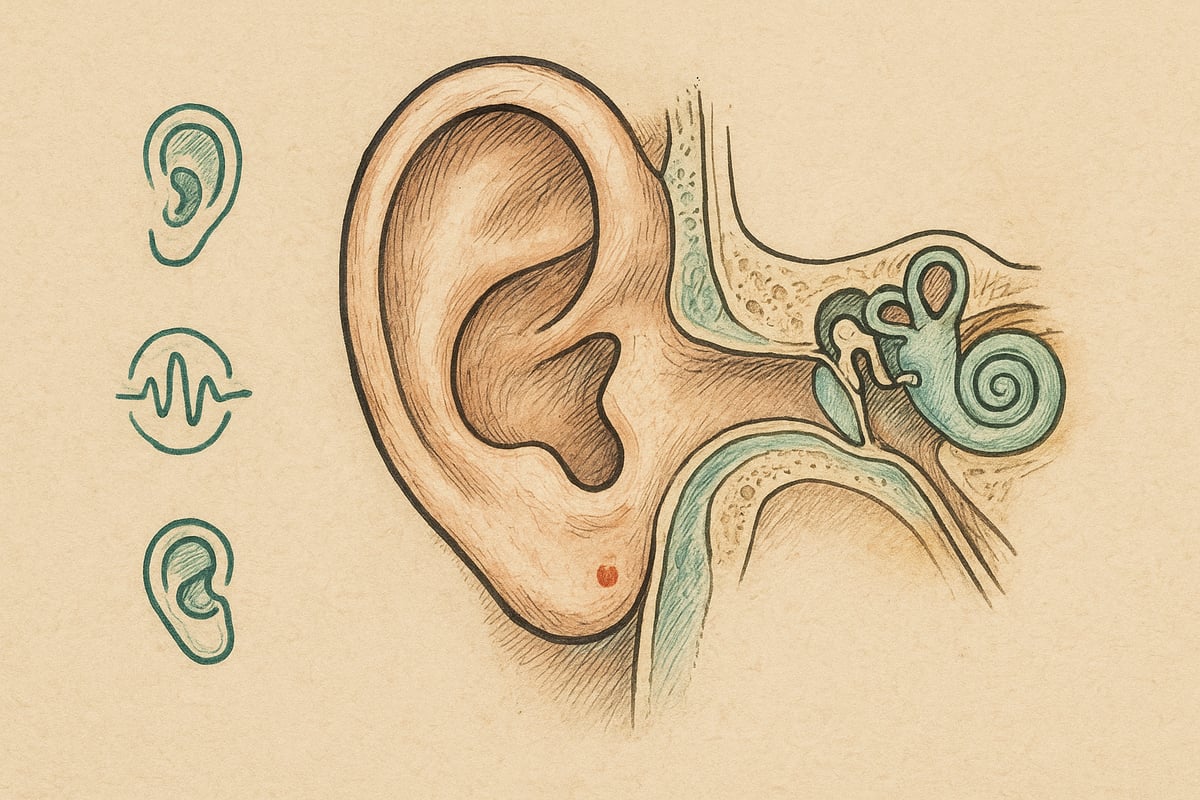
When we examine how the ear works, we encounter a number of diseases that can disrupt the perception of sound. Acute conditions such as middle ear infection (otitis media) mainly affect children and can cause pain, fever and temporary hearing loss. Ear canal infection (otitis externa) is often seen in swimmers and is caused by bacterial infection in the ear canal.
Persistent or chronic conditions include tinnitus, where you experience a constant ringing or buzzing in your ears. Statistics show that 10% of adults experience tinnitus at some point in their lives. Chronic earwax or frequent infections can also cause permanent hearing loss, emphasizing the need for proper treatment.
Hearing Loss: Types and Causes
To understand how the ear works, it is important to distinguish between different types of hearing loss. Conductive hearing loss is caused by problems in the outer or middle ear, such as earwax, a perforated eardrum, or otitis media. Sensorineural hearing loss occurs in the inner ear or auditory nerve and is often permanent.
Noise damage, age and heredity are among the most common causes of hearing loss. Repeated exposure to loud noises can damage the hair cells in the cochlea, which cannot be restored naturally. In children, hereditary hearing loss and congenital malformations are seen as significant factors that can affect both hearing and language development.
Modern Diagnostic Methods
Advances in diagnostics have significantly improved the possibilities for early detection of ear diseases and hearing loss. Audiometry is used to measure a person's hearing thresholds, while tympanometry assesses the mobility of the eardrum and the function of the middle ear. Otoacoustic emissions are used in particular to screen newborns for hearing loss.
Understanding how the ear works is key to choosing the right test and interpreting the results. If you want to delve into how hearing and hearing loss are measured, you can read more at Hearing and hearing loss - measurement . Early diagnosis makes it possible to intervene before hearing loss progresses further.
Treatment Options and Technological Advances
Once the diagnosis is made, the next step is to choose the optimal treatment. Hearing aids have undergone major technological developments and can now be individually adjusted with advanced filters and wireless technology. Cochlear implants offer a solution for people with severe sensorineural hearing loss where ordinary hearing aids are not enough.
Medical treatment, such as antibiotics for infections, may be necessary, and in rare cases surgery can restore hearing. Over 400,000 Danes today use hearing aids, which shows how widespread the need is and how important it is to understand how the ear works in order to choose the right solution.
Prevention and Health Education
Prevention is the key to preserving hearing throughout life. Knowing how the ear works helps us take responsibility for our sound environment, use hearing protection in noisy environments, and seek regular checkups with an ENT doctor. School programs for children on hearing health can strengthen awareness from an early age.
Good advice includes:
- Avoid prolonged exposure to loud noises
- Use proper noise protection
- Keep your ears clean, but avoid putting cotton swabs deep in the ear canal.
By following this advice, many cases of hearing loss can be prevented and quality of life can be significantly improved.
Technological Advances and the Future of Ear Treatment
Technological advances have revolutionized how the ear is treated, allowing for the restoration or enhancement of hearing in unprecedented ways. Today, we are seeing significant developments in hearing aids, regenerative medicine, digital health, and ethical considerations that are shaping the future of treatment.
New Hearing Aids and Implants
The latest digital hearing aids and cochlear implants have changed how the ear is technologically supported. Modern solutions integrate Bluetooth, so sound from phones or TVs is sent directly to the ear. At the same time, artificial intelligence is used to filter background noise and optimize sound quality in real time.
Some advanced models can automatically adapt to the user's daily routines and environments. This means that people with hearing loss have a much more natural and comfortable listening experience than before. The development also enables a closer connection between the ear and the brain, where the auditory pathways are stimulated more precisely. For a deeper understanding of this interaction, visit Brain Models and the Nervous System .
Regenerative Medicine and Genetic Engineering
Research in regenerative medicine opens up new possibilities for how the ear can be restored to function after profound damage. The hair cells in the cochlea, which are essential for sound perception, cannot be regenerated naturally. However, through gene therapy and stem cell treatment, researchers are now trying to stimulate the growth of new hair cells.
These developments promise a future where some forms of deafness may be curable rather than merely compensated for. Intensive work is underway to ensure that treatments are safe and accessible to all, so that more people can benefit from these groundbreaking opportunities.
Digital Health and Ear Monitoring
Digitalization is increasingly transforming how the ear is monitored and cared for. Apps and wearables allow users to test their hearing at home and receive ongoing feedback on their hearing health. Smartphones can now perform simple hearing tests, store results, and send them to hearing clinics.
These technologies strengthen prevention and early intervention, especially for people at risk of hearing loss. Monitoring via digital solutions also provides better control over treatment and adjustment of hearing aids, making it easier to adapt to individual needs.
Challenges and Ethical Considerations
Although the progress in how the ear is treated is impressive, it also raises important challenges and ethical questions. Not everyone has access to the latest technologies, and cost can be a barrier. In addition, the use of AI and data collection poses requirements for data security and privacy.
The global hearing aid market is expected to grow by 6 percent annually through 2030, increasing the pressure to make treatments more accessible. At the same time, individual rights must be taken into account as technology penetrates ever deeper into our daily lives.
The Role of the Ear in Learning, Communication and Quality of Life
Understanding how the ear works is crucial for children's language development. From birth, children begin to perceive sound, which stimulates both brain development and the ability to learn language. Even small disturbances in hearing can affect a child's vocabulary and pronunciation. According to research, 2 out of 1,000 children are born with hearing loss, which can make early detection and intervention essential. For more in-depth insight into congenital challenges, you can read this scientific article on congenital hearing loss in children . A basic knowledge of how the ear works helps parents and professionals support a child's language potential.
Communication and Social Interaction
When we ask how the ear functions in social contexts, the answer is clear: Hearing is the key to understanding speech, perceiving nuances in voices and actively engaging in communities. Untreated hearing loss can lead to misunderstandings, isolation and frustration. Many adults find that they withdraw from social events if they have challenges with hearing. A closer look at hearing loss and social consequences shows why early treatment is important for maintaining quality of life and social relationships. Knowing how the ear works can therefore be crucial for maintaining good social bonds.
Working life and Education
In working life and during education, how the ear works plays a big role. Good hearing makes it easier to follow instructions, participate actively in meetings and learn new material. Poor hearing can cause challenges in picking up important information or warnings, which can affect both performance and safety. Workplaces have a responsibility to ensure good sound conditions so that everyone can participate on equal terms. When you understand how the ear works, it becomes clear why investing in the sound environment and hearing health is important for both well-being and efficiency.
Mental Health and Quality of Life
Many people underestimate how closely connected hearing is to mental health and overall quality of life. Studies show that untreated hearing loss can significantly increase the risk of depression and cognitive decline. In fact, the risk of dementia increases by up to 40 percent if hearing problems are ignored. By understanding how the ear works, you have a stronger foundation for taking responsibility for your own hearing health. Regular check-ups and openness about hearing challenges can contribute to a more active, fulfilling and healthy life.
As you learn about the fascinating anatomy of the ear, the journey of sound, and the latest technological advances, you'll gain a whole new understanding of how much our hearing means to our health and quality of life. Whether you're a student, healthcare professional, or just curious, you can delve even deeper into the complex world of the ear with visual models and posters that bring knowledge to life. To explore more resources, materials, and models that make learning both easy and engaging, you can Read more here
0 comments