

Did you know that students learn up to 40% faster when they work with real horse skeletons in anatomy lessons? This guide gives you a step-by-step guide on how to pedagogically and ethically integrate a horse skeleton into your teaching in 2026.
Hands-on learning with authentic materials strengthens both understanding and engagement. Here you get an overview of everything from skeleton selection and preparation, teaching strategies, ethical considerations, maintenance and safety.
If you want to ensure better understanding of anatomy, follow this guide on how to use a real horse skeleton in anatomy teaching for success.
Why Use a Real Horse Skeleton in Anatomy Teaching?
Real horse skeletons add a realism to anatomy teaching that artificial models cannot match. When examining an actual skeleton, students experience detail, weight, and texture that reinforces their understanding of the body's structure. This is precisely why using a real horse skeleton in anatomy teaching can make a significant difference to learning outcomes.
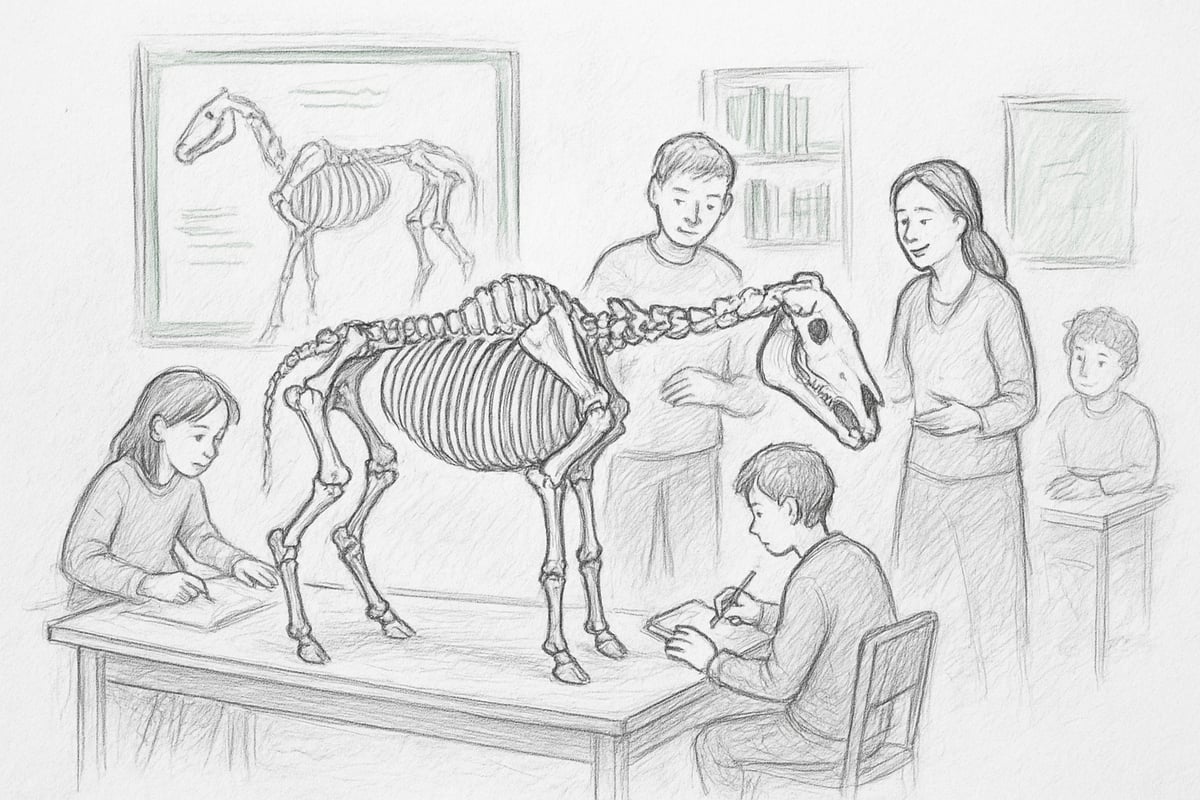
Studies show that using real skeletons increases student engagement and retention. A 2024 study from Uppsala University documented that students who worked with real horse skeletons performed 23 percent better on exams compared to those who only used plastic models. This improvement is partly due to the fact that using a real horse skeleton in anatomy teaching provides access to natural variations that standard models cannot show.
In veterinary and biology education, it is seen that students who work with real skeletal material gain a deeper understanding of complex structures. For example, a Danish veterinary study showed that students who had access to a physical horse skeleton were more able to identify and explain joints, muscle attachments and disease changes more easily. This illustrates how using a real horse skeleton in anatomy teaching strengthens both theoretical and practical knowledge.
A real horse skeleton contains unique anatomical features and variations that are not found in factory-made models. Natural defects, wear and tear or healing traces tell stories about the animal's life, and this makes the teaching much more nuanced. This means that using a real horse skeleton in anatomy teaching allows for the discussion of pathologies and biological diversity on a completely different level, which is especially relevant in advanced courses.
Motivation and fascination also play a big role. Many students experience an increased respect and interest in the subject when they are allowed to examine real bones. The tactile experience and proximity to reality means that using a real horse skeleton in anatomy teaching arouses curiosity and strengthens learning. It is not only the academic results that are improved, but also the students' motivation to learn more.
Of course, there are challenges. The availability of real skeletons can be limited, requiring both ethical considerations and proper handling. Institutions should ensure that the material is legally acquired and treated with respect. For those who wish to explore the possibilities, Real Animal Skeletons and Bones can provide a good overview of available resources for teaching.
A key statistic from the 2025 European Vet Education Report shows that 67 percent of veterinary schools in Northern Europe use real skeletons in at least one course. This trend highlights how using a real horse skeleton in anatomy teaching is becoming an integral part of modern teaching practice, where authenticity, ethics and pedagogical value go hand in hand.
How to Find and Prepare a Real Horse Skeleton
Finding and preparing a real horse skeleton for use in anatomy teaching requires careful planning, knowledge of the law, and respect for both the animal and the learning process. Here is a step-by-step guide to ensure that you meet both ethical and practical requirements in the process. Follow this guide to ensure that you use a real horse skeleton in anatomy teaching responsibly and effectively.
Legislation and Ethical Framework
When purchasing and using a horse skeleton in teaching, it is essential to be aware of current Danish legislation and ethical guidelines. According to the Animal Welfare Act and international CITES regulations, the origin must be documented and animal material must be handled with respect. Many institutions require written approval and registration.
It is important to obtain permission from relevant authorities, especially if the skeleton is from a wild animal or has been imported. University and museum guidelines emphasize the need to be able to document the origin of the skeletons and ensure that they have not been acquired unethically.
For more information on current regulations, see Danish legislation on animal experimentation , which also covers the use of biological material in education. By following these guidelines, you ensure that you are using a real horse skeleton in anatomy teaching in a legal and ethically sound manner.
Purchasing, Donation and Collaboration
There are several ways to acquire a horse skeleton. Many schools and institutions gain access through donations from local veterinarians or partnerships with universities and museums. Others choose to purchase skeletons from approved suppliers who provide documentation and quality assurance.
When evaluating a skeleton, you should examine its condition, completeness, and whether all bones are present. Also, ask for documentation of origin and any previous uses. Established partnerships between schools and veterinary clinics can often lead to skeletons being donated after natural death.
It is important to incorporate these collaboration opportunities into your strategy so that using a real horse skeleton in anatomy teaching becomes both financially and practically sound.
Preparation and Cleaning
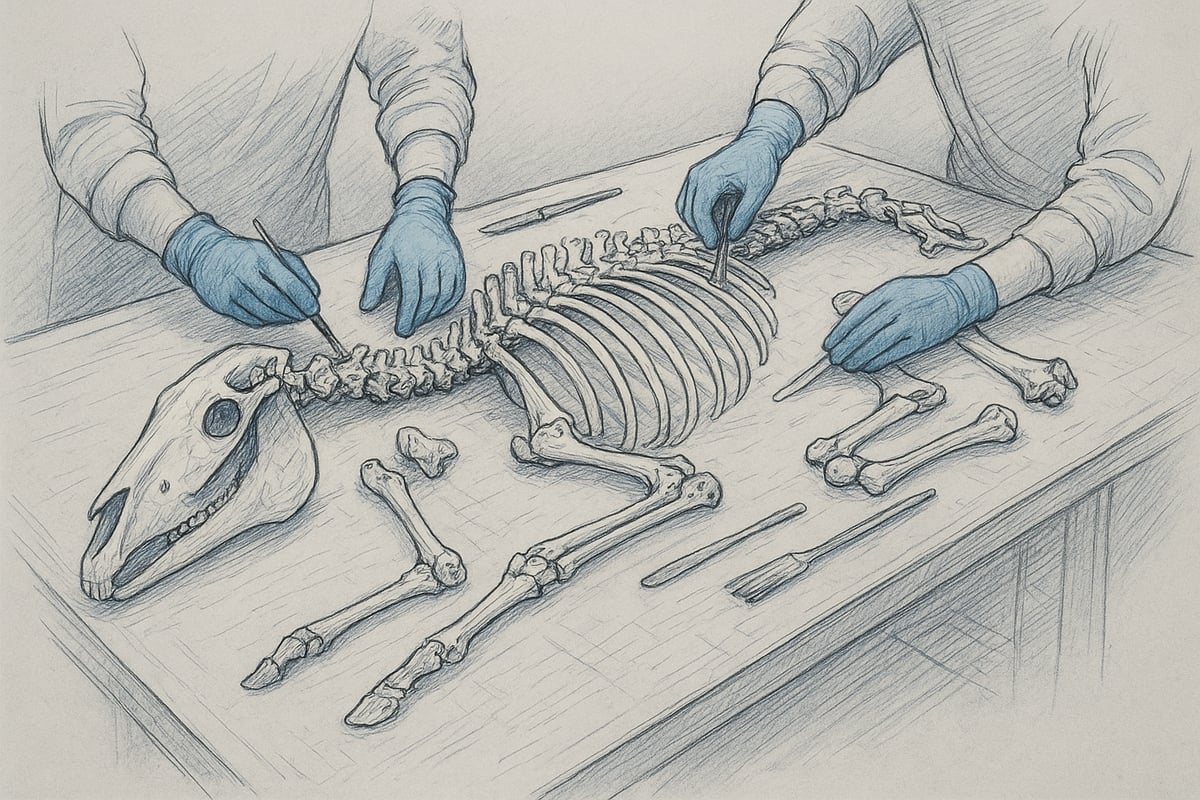
Once the skeleton is acquired, preparation begins with thorough cleaning and disinfection. Wear gloves and personal protective equipment to protect both yourself and the material. Start by removing any remaining soft tissue and rinsing the bones in lukewarm water.
Environmentally friendly cleaning agents, such as hydrogen peroxide or mild soap, are recommended over harsh chemicals. After cleaning, the bones should be dried thoroughly and stored in a ventilated area. Consider preserving the bones with a light layer of paraffin to protect them from moisture.
This thorough process ensures that you use a real horse skeleton in anatomy teaching in a hygienic and sustainable way.
Assembly and Design
Assembling a horse skeleton requires precision and thought to ensure both stability and educational value. Start by choosing a sturdy stand and identifying the main support points. Use nylon cord, metal wire, or specially designed brackets to secure the bones.
Think about how the skeleton will be presented: Should it be mobile or fixed? Consider innovative solutions such as modular mounts so that students can take individual parts off and examine them more closely.
By following these steps, you ensure that using a real horse skeleton in anatomy teaching becomes an active and accessible learning experience for all students.
Security and Storage
Safe handling and proper storage of the horse skeleton is essential for both personal and material safety. Always wear gloves when handling, and instruct students in proper lifting and moving. Store the skeleton in a room with a stable temperature and low humidity to avoid mold and discoloration.
Protect the bones from direct sunlight with UV filters and check regularly for signs of pests. Statistics show that up to 30 percent of skeletons without proper storage will suffer damage within two years, so it is important to prioritize maintenance.
With these measures, you ensure that using a real horse skeleton in anatomy teaching remains safe and durable over time.
Educational Strategies: Maximize the Yield of the Horse Skeleton
Finding the optimal method for using a real horse skeleton in anatomy teaching requires well-thought-out pedagogical strategies. Through differentiated teaching, practical exercises, interdisciplinary collaboration, digital supplements and systematic evaluation, you can ensure maximum learning effect.
Differentiated Teaching with Skeleton
When considering how to best adapt your teaching, it is important to consider how you can use a real horse skeleton in anatomy teaching to engage different types of learners. For high school students, introducing basic anatomy through visual and tactile experiences can create motivation. University level can focus on detailed analysis and pathological variations.
- Adjust difficulty and details according to student group
- Use skeleton parts for both theoretical and practical tasks
- Involve reflection and discussion to strengthen understanding
By differentiating the activities, you give both beginners and advanced learners the opportunity to engage at their level, which enhances the learning outcomes for everyone.
Hands-On Activities and Learning Games
Hands-on exercises are key to engaging students when considering how to use a real horse skeleton in anatomy teaching. Interactive tasks such as naming bones or assembling skeleton parts strengthen both memory and collaboration.
Examples of activities:
- Competition for the fastest correct assembly of a set of legs
- Role play where students diagnose diseases based on bone findings
- Using Anatomical Models for Teaching as a Supplement to Skeletal Work
When students are allowed to touch, investigate, and collaborate, fascination and respect for the subject increase. This motivates further learning and immersion.
Interdisciplinary Integration
A powerful strategy for using a real horse skeleton in anatomy teaching is to involve multiple subject areas. Biology, history, art, and technology can all contribute to a richer understanding.
- Biology: Study of bone structure and function
- Art: Skeleton drawing and sculpture projects
- History: Discussion of the role of the horse in culture and society
Interdisciplinary projects promote creativity and make teaching more relevant to the students' reality. Collaboration between subject teachers also strengthens the professional network.
Digital Supplement and 3D Scanning
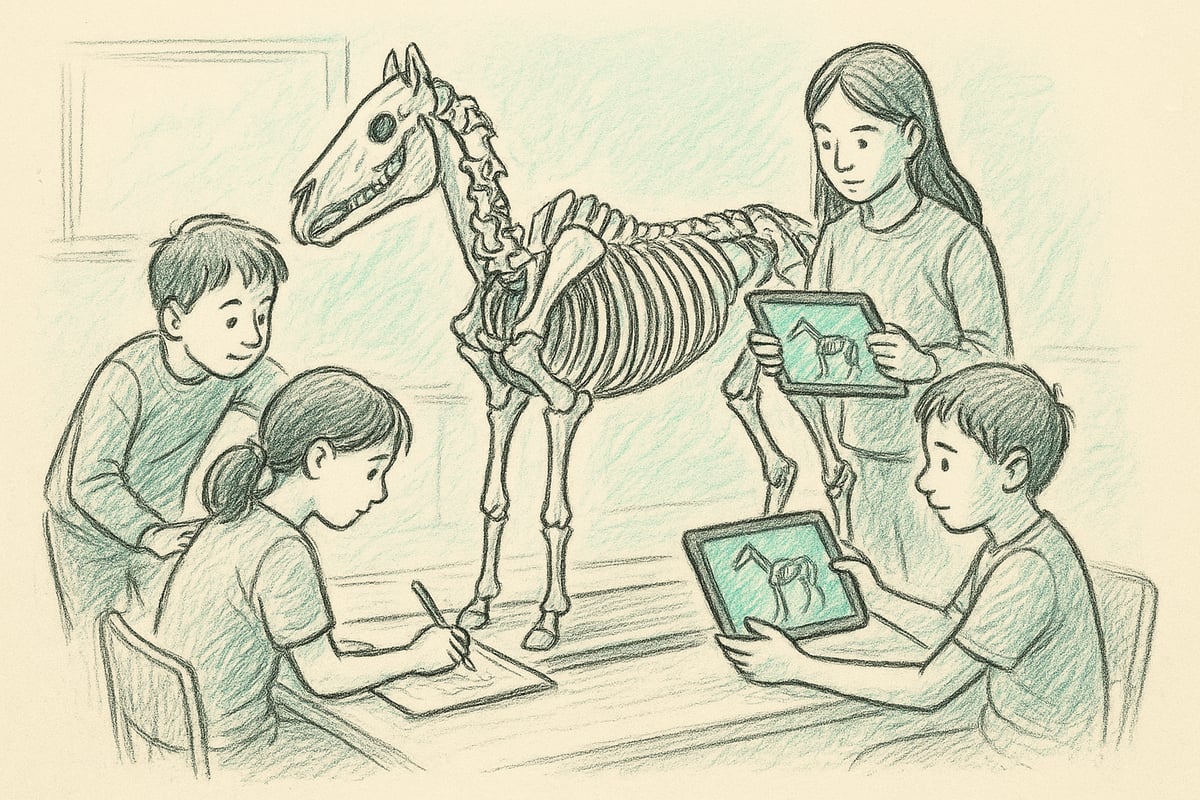
Digital resources can expand the possibilities of how to use a real horse skeleton in anatomy teaching. By combining physical skeletons with 3D scanning, VR or digital models, students have multiple learning channels.
Advantages of digital supplement:
- Visualization of complex structures in detail
- Possibility of repetition and individual immersion
- Statistics show that 54% of students learn faster with blended learning
A combination of real skeletons and digital tools creates flexible, effective teaching and makes difficult topics more accessible.
Evaluation and Feedback
To optimize how you use a real horse skeleton in anatomy teaching, ongoing evaluation is essential. Use quizzes, peer review, and reflection exercises to measure understanding and motivation.
- Quizzes can test naming and function of bones
- Peer review strengthens collaboration and critical thinking
- Reflection on the learning process increases awareness of one's own development
Experience shows that classes that work systematically with evaluation achieve noticeably better results and greater engagement. This supports a sustainable learning culture.
Ethical and Practical Considerations in Teaching
When considering how to use a real horse skeleton in anatomy teaching, ethics should always be the first thing that comes to mind. Educators should show respect for the biological material and ensure that the use of horse skeletons is done with consideration for both animals and people. Ethical guidelines, such as those described in the Danish Council on Animal Ethics' statement on equestrian sports , can inspire a responsible approach, where dignity and enlightenment are prioritized. It is important to convey to students that skeletons are not just objects, but former living beings who deserve respect.
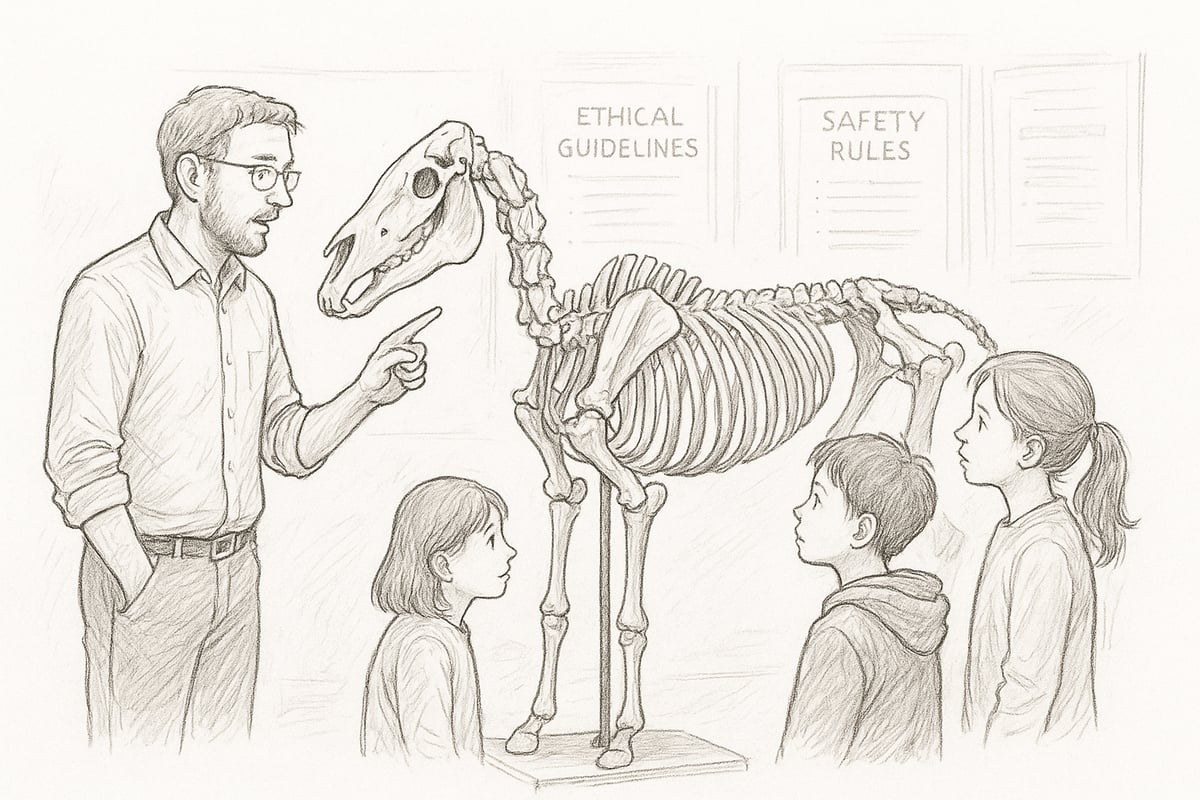
Understanding how to properly use a real horse skeleton in anatomy teaching requires clear guidelines for handling. Skeletons should be stored safely, handled with gloves, and only moved under supervision. Follow your institution’s logbook and documentation policy so everyone knows who is responsible when. It is recommended to review the procedures with students so they understand both the practical and ethical responsibilities.
Dialogue with students and parents is essential when using a real horse skeleton in anatomy teaching. Be open about the purpose and explain how it strengthens the understanding of anatomy. Statistics show that 18% of Danish schools have experienced parental inquiries about the use of biological material, which emphasizes the importance of clear communication. Information letters and meetings can create security and address any concerns.
Cultural and religious considerations can give rise to dilemmas if you use a real horse skeleton in anatomy teaching. Some students or parents may have reservations based on faith or tradition. Be responsive to individual wishes and offer alternative learning methods if necessary. Involving school management and possibly consulting with experts can help find solutions that are inclusive for everyone.
To ensure a safe and open teaching environment, you should continuously evaluate how you use a real horse skeleton in anatomy teaching. Document teaching processes, collect feedback and adjust practice as needed. Create a framework where students feel comfortable asking questions and expressing concerns. A systematic approach to ethics, documentation and dialogue is the key to achieving both professional and human success in working with real skeletons.
Maintenance and Long-Term Storage of Horse Skeletons
Maintenance is essential if you want to ensure that using a real horse skeleton in anatomy teaching works optimally year after year. A well-preserved horse skeleton not only lasts longer, but also gives students an authentic experience that strengthens their understanding of both anatomy and responsibility. Many schools and universities find that good routine maintenance is the key to success.
Daily and Periodic Maintenance
Regular maintenance is the foundation for how to use a real horse skeleton in anatomy lessons to remain safe and educational. Plan both daily and periodic routines:
- Daily: Remove dust with a soft brush or microfiber cloth. Avoid direct contact with bare hands.
- Weekly: Inspect for incipient damage, loose parts, or discoloration.
- Monthly: Check climate conditions, especially humidity and temperature.
- Annually: Perform a thorough cleaning with environmentally friendly products and check for pest infestation.
Always wear gloves and use only mild cleaning agents. To avoid overloading the real skeleton during busy teaching periods, it may be relevant to supplement with anatomical posters for teaching , so that students get visual support without constantly handling the bones.
Prevention and Treatment of Injuries
An important aspect of using a real horse skeleton in anatomy teaching is to detect and treat injuries quickly. Typical problems include:
| Damage type | Prevention | Treatment |
|---|---|---|
| Bone fracture | Gentle handling | Glue and support |
| Discoloration | Avoid UV light, climate control | Gentle cleaning |
| Pest infestation | Tight storage, inspection | Freezing/heat treatment |
Proper storage requires stable conditions: 18-22°C, low humidity and no direct sunlight. Use closed boxes or cabinets, and place the skeleton on a stand so that it is not directly on the floor.
Long-term storage and resources
Museums and universities have good experience with long-term storage, where using a real horse skeleton in anatomy teaching is part of regular routines. According to the Museum of Natural History (2024), a properly maintained skeleton can remain intact for up to 50 years.
Maintenance costs include cleaning supplies, air conditioning, and inspection time. Consider integrating veterinary 3D dissection models into your teaching to reduce stress on the real skeleton and extend its lifespan.
Insurance, Registration and Termination
For valuable skeletons, insurance and ongoing registration are a good investment. Keep a log of maintenance, damage and repairs. Inform management and insurance companies about the skeletons' location and value. This ensures that using a real horse skeleton in anatomy teaching remains a safe and valuable resource that can benefit many generations of students.
Safety, Responsibility and Insurance in Teaching
When considering how to use a real horse skeleton in anatomy teaching, safety, liability, and insurance are key issues. This is not only about protecting students and staff, but also about ensuring the integrity of the skeletons and the operation of the institution. Here, you will get a systematic review of the most important aspects.
Classroom Safety Procedures
When working with a real horse skeleton in anatomy teaching, clear safety rules should always be established. Start by introducing students and staff to proper handling, including how to lift and move skeletal parts without risk of injury.
Consider the following safety precautions:
- Always wear gloves and possibly a face mask when handling.
- Make sure the stand is stable and securely positioned.
- Review emergency procedures in case of an accident, such as if a bone breaks.
Aarhus University recommends conducting regular safety instructions so that everyone knows their responsibilities and procedures. This creates security and minimizes the risk of accidents.
Insurance Needs and Risk Analysis
When using a real horse skeleton in anatomy teaching, the institution must carefully assess its insurance needs. This includes coverage for damage to the skeleton, theft, fire, and water damage.
A risk analysis should identify potential threats, e.g.:
- Accidental damage during teaching
- Theft from premises
- Damage caused by moisture or fire
According to Danish School Insurance, 22% of schools with biological collections have experienced damage to the material. Contact your insurance company to ensure that all relevant risks are covered and update your policy regularly.
Responsibility and Documentation
When using a real horse skeleton in anatomy teaching, it is important to clearly allocate responsibilities. Teachers, students and the institution must know their roles, especially when it comes to handling and maintenance.
Keep a logbook of the use and maintenance of the skeleton. This provides an overview and can document incidents or accidents. Remember that there are legal requirements for documentation, especially if damage or loss occurs.
For further guidance on legislation and responsibility when using biological material in education, you can find information on Animal Experiments in Education , where rules and ethical guidelines are described.
Handling Unforeseen Events
When using a real horse skeleton in anatomy teaching, there must be clear protocols for handling unforeseen events, such as accidents, damage, or loss of parts of the skeleton.
Example of a contingency plan:
- Stop the lesson immediately in case of an accident.
- Isolate the damaged area.
- Notify relevant authorities and management.
- Fill out the incident report and update the logbook.
Cooperation with local authorities and insurance companies ensures quick and correct handling of the situation.
Communication with Parents and the Public
To create confidence in how you use a real horse skeleton in anatomy teaching, open communication is essential. Prepare informational materials and consent forms for parents so they understand the purpose and safety precautions.
Use for example:
- Information letters before start-up
- Possibility of parental visits
- Open dialogue about any concerns
Many schools experience positive feedback when they proactively inform parents and the public about the content and safety of their teaching.
Continuous Update of Security Procedures
Finally, it is essential that how to use a real horse skeleton in anatomy teaching involves continually updating safety procedures. Conduct annual audits and involve both students and staff in the work.
Examples from international educational institutions show that open dialogue and systematic updating increase both safety and engagement. An updated safety manual should be available to everyone.
Now that you have a solid overview of how a real horse skeleton can make anatomy teaching more engaging and educational, you may see new opportunities to strengthen your own teaching or institution. If you want to know more about how to acquire the right skeleton, or how models and posters can complement your pedagogical efforts, we have collected several resources and solutions that match your needs. You can delve deeper into the possibilities and get inspiration for your next teaching course by Read more here
0 comments