SOMSO skeleton model of hand with part of the forearm bones mounted on elastics

SOMSO skeleton model of hand with part of the forearm bones mounted on elastics

2,561.00 kr
Sale price  2,561.00 kr Regular price 
Skip to product information
SOMSO skeleton model of hand with part of the forearm bones mounted on elastics
1/5

SOMSO skeleton model of hand with part of the forearm bones mounted on elastics

Artikelnummer: EA1-QS 31/7

Produktet er udgået af vores faste sortiment. Søger du specifikt dette produkt? Kontakt os for mere information.

The product is no longer part of the permanent assortment

If you are interested in this product, we would be happy to check if we can source it for you. Please contact us.
Description

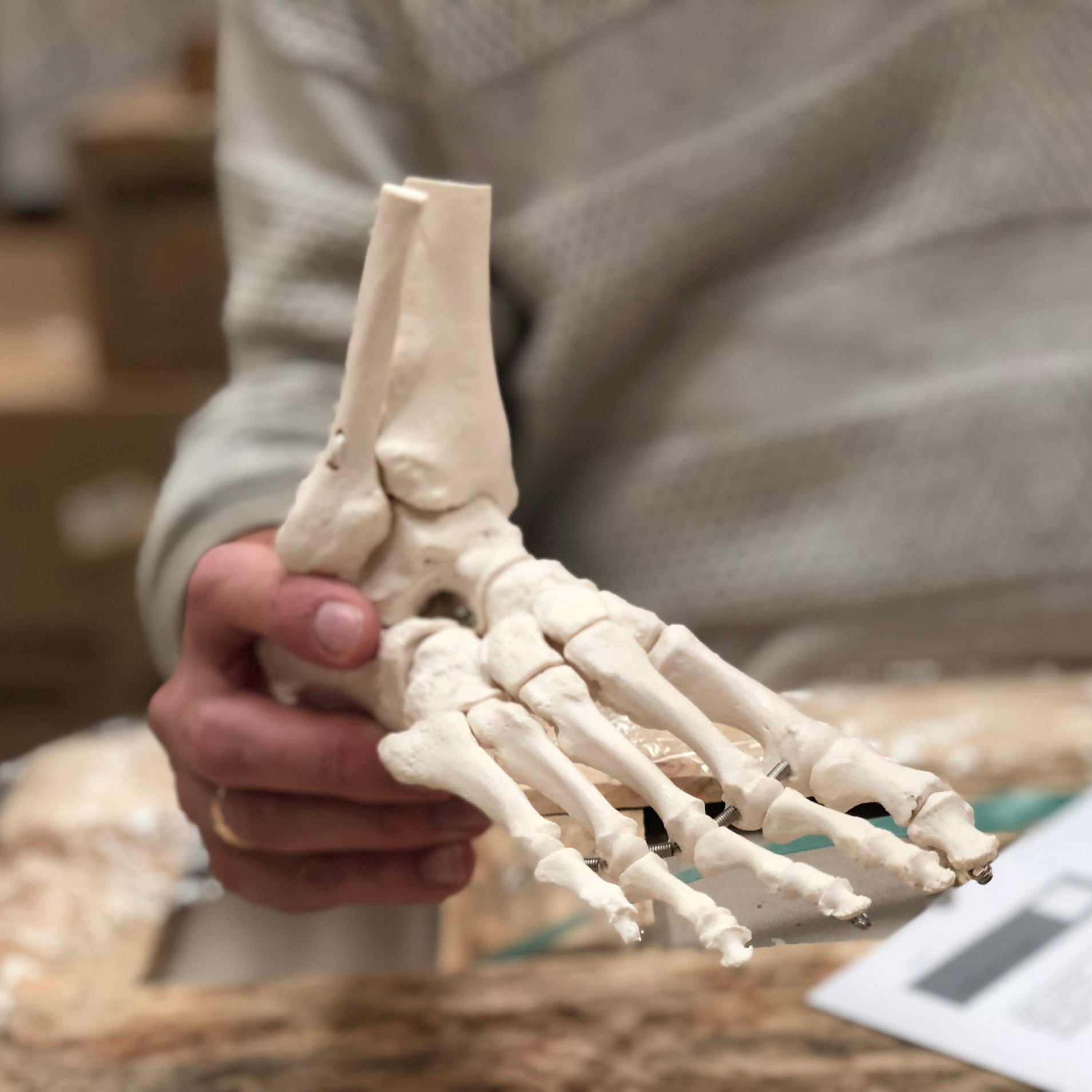
This skeleton model shows the bones of the hand as well as the lower part of both forearm bones, assembled on rubber bands. The model is cast by SOMSO from real skeleton parts, and is therefore very realistic.


SOMSO is world-renowned for very high quality. This means quality materials, a sense of accuracy and longevity. In other words: World-class craftsmanship.


The model weighs 0.2 kg and is produced in natural size. The individual parts of the model are numbered and the names appear in the product manual, which is included with the purchase of the model.

Anatomically speaking

Anatomically, the model shows all the bones of the hand, as well as the lower part of the coil bone (radius) and the elbow bone (ulna).


The model only illustrates bone parts and the many joints of the hand and forearm, ligaments are not included. As the bones are rendered realistically, many osseous landmarks are clearly visible.

Movement-wise

In terms of movement, the individual bone parts are held together by elastic bands. The carpal bones can therefore be pulled apart easily, just as there is free movement in all joints.

Clinically speaking

Clinically, this model is ideal for understanding fractures such as Colle's fracture (but also Smith's and Barton's fractures). It can also be used to understand scaphoid fractures and other fractures in the hand.


Furthermore, the model can be used to understand joint slippage (luxation), arthrosis (wear-and-tear arthritis) and possibly rheumatoid arthritis, although neither joint capsules nor clear markings of cartilage are seen on joint surfaces.

Contact us

Our anatomical product range
Raffle for free products

All recipients of our newsletter are entered into raffles for free products. Sign up today and be in the running!