

By 2026, the number of robot-assisted surgeries is expected to double compared to today, placing entirely new demands on surgeons’ skills. To understand what a skilled surgeon must master in the healthcare of the future, we delve into the seven skills that will define success.
Both technical skills and soft skills such as communication and empathy are becoming crucial in the modern operating room. Patients' expectations for quality and involvement are growing, placing new demands on surgeons' personal and professional development.
In this article, we will provide an overview of the most important areas: technical precision, decision-making under pressure, teamwork, lifelong learning, empathy, ethics, and health promotion. Together, we will look at how these competencies will shape patient care and careers in 2026.
Developments in surgery in 2026
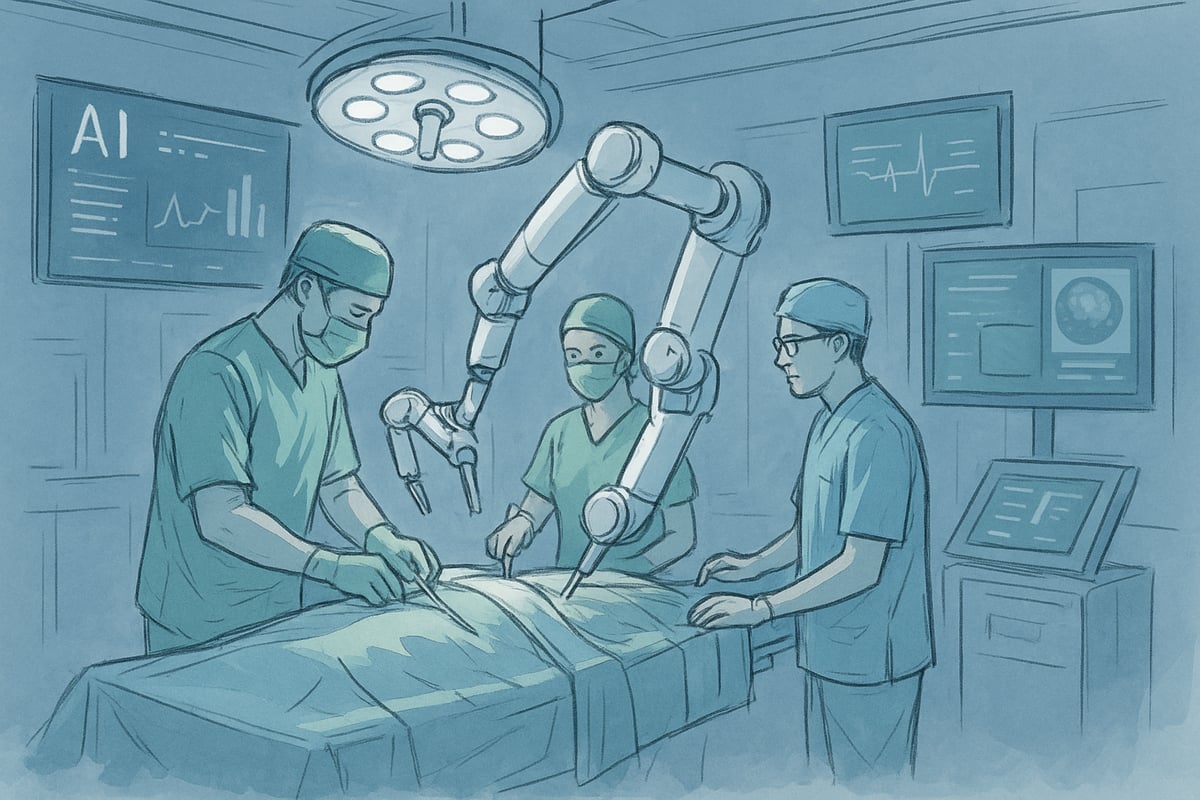
The surgical landscape is changing significantly towards 2026, with technological advances and new competency requirements setting the direction for what a skilled surgeon must master. Robotic surgery is no longer reserved for specialized centers, but is becoming standard in more hospitals. AI-assisted imaging and precision surgery with minimally invasive techniques mean that the role of the surgeon is changing, and precision and technological understanding are paramount.
A key development is the integration of advanced digital tools in the operating room. According to the latest figures, the proportion of robot-assisted surgeries has increased by over 60 percent in the past five years. This requires that what a skilled surgeon must be able to master now includes operating complex systems and continuously adapting to new technologies. The educational requirements for surgeons are being tightened, and continuing education and simulation training are becoming a permanent element of the career path.
Multidisciplinary collaboration is becoming more important, with surgeons working closely with nurses, anaesthetists and technical specialists. Patient-centred care is in focus, and it is expected that what a skilled surgeon should be able to master also includes strong communication skills and the ability to actively involve the patient in the decision-making process. Patients have higher expectations for information, transparency and involvement than ever before.
Digitalization and data analysis are now being used systematically to improve surgical outcomes. For example, several departments are using real-time data to predict complications and optimize patient care. At the same time, new requirements for certification and documentation have emerged, emphasizing that what a skilled surgeon must be able to master is not only about technique, but also about compliance and quality assurance.
On a global level, we are seeing a harmonisation of surgical standards, where access to knowledge and international guidelines has become easier. This means that Danish surgeons must live up to the same level as their colleagues abroad. To stay up to date with the latest technologies, it is recommended to follow Technological Advances in Surgery , where you can continuously read about trends such as robotic surgery, AI and digital solutions.
Overall, the development towards 2026 indicates that what a skilled surgeon must be able to master is a combination of technical ingenuity, digital understanding and strong collaboration skills. The modern operating room requires both classic surgical virtues and innovative thinking, where learning and adaptability become the key to success.
7 Essential Skills a Skilled Surgeon Must Master
Understanding what a skilled surgeon should be able to master in 2026 requires more than just technical ingenuity. The surgeon of the future faces demands for precision, decision-making, communication, learning, empathy, ethics and health promotion. These seven areas of competence form the foundation for both patient safety and career development.
Let's dive into the specific skills that the operating room of the future requires.
1. [Advanced technical precision and craftsmanship]
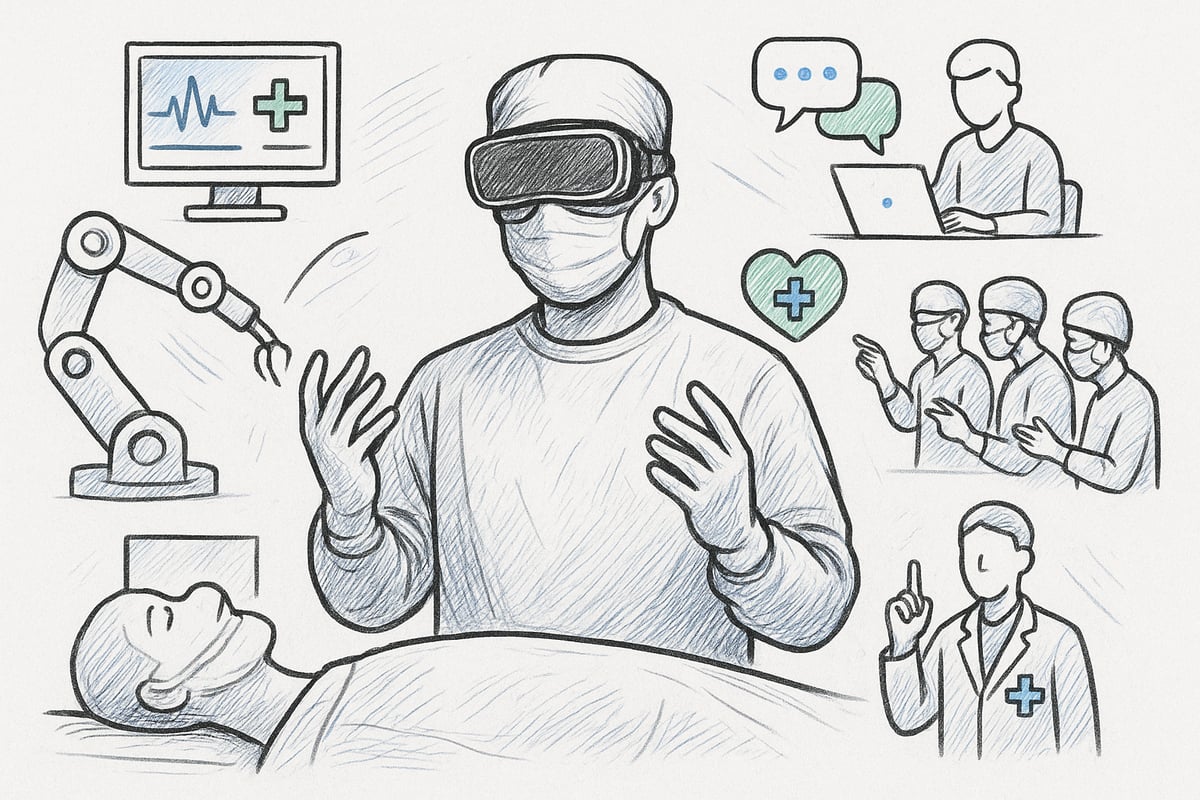
Advanced technical precision is the very foundation of what a skilled surgeon must be able to master. In an era where robotic surgery and minimally invasive techniques are standard, performing complex procedures requires extreme fine motor skills and a sure hand.
A small misstep during heart surgery or neurosurgery can have fatal consequences. That is why ongoing training on both live tissue and advanced simulators is essential. For example, studies show that surgeons with high technical precision have significantly fewer postoperative complications.
The comparison between classical and robot-assisted surgery illustrates that although technology helps, the surgeon still needs to master both traditional and digital tools. New technologies require continuous updating of technical skills. Here, simulation training and courses play a central role.
| Comparison | Classical surgery | Robot-assisted surgery |
|---|---|---|
| Precision | High, depends on skill | Very high, requires digital understanding |
| Training | Practical, hands-on | Simulation, digital training |
To ensure that what a skilled surgeon should be able to master, technical precision is regularly assessed through tests and direct observation. Courses such as Surgical Training and Ethics (2025/2026) emphasize the importance of both technique and ethical understanding in surgical practice.
In conclusion, the ability to combine classical craftsmanship with digital skills is crucial to meeting future demands for what a skilled surgeon must be able to master.
2. [Decision-making under pressure]
The ability to make quick and correct decisions is the core of what a skilled surgeon must be able to master. Operations often develop unpredictably, and acute complications can arise in a matter of seconds.
An example is bleeding during a major operation, where the surgeon must act immediately to save the patient's life. Here, experience, intuition and stress management training come into play. Mental strategies such as visualization and systematic problem solving strengthen decision-making.
Statistics show that the quality of decisions in critical moments is directly correlated with patient survival. Simulation training allows surgeons to practice handling pressure and develop safe routines.
In the operating room, it is important to allocate roles and ensure clear communication so that everyone knows who makes decisions in emergency situations. Training in decision-making skills through simulation is therefore an integral part of what a skilled surgeon must be able to master.
In conclusion, it is the ability to remain calm, apply experience, and act quickly that separates the skilled surgeon from the rest.
3. [Communication and collaboration in teams]
Effective communication and collaboration are essential to what a skilled surgeon must be able to master. Many errors in the operating room are due to misunderstandings that could be avoided with better team communication.
Examples from practice show that lack of information between team members can lead to incorrect incisions, incorrect instrumentation or medication errors. Statistics indicate that a significant proportion of surgical errors are related to lack of communication.
New requirements for interprofessional collaboration mean that the surgeon must be able to work closely with anesthesiologists, nurses and technicians. Methods such as briefing, debriefing and the use of checklists strengthen collaboration and minimize the risk of errors.
Cultural and linguistic understanding is important in international teams, where differences can create barriers. Training programs in communication and teamwork are therefore an integral part of what a skilled surgeon must be able to master.
In conclusion, it is about creating a safe environment where everyone dares to speak up and where patient safety is always at the center.
4. [Lifelong learning and adaptation to technology]
As new technologies and methods gain traction, lifelong learning becomes an indispensable part of what a skilled surgeon must be able to master. Development is rapid, and the role of the surgeon is constantly changing.
Examples of technologies that have revolutionized the field include AI, VR, and 3D printing. These require not only technical understanding but also the ability to adapt to new workflows. Statistics show that the majority of surgeons participate in continuing education every year to stay up-to-date.
Openness to innovation and new working methods is necessary to remain relevant. Resources such as professional networks and knowledge sharing strengthen the learning process. Digital competence is becoming a core competency in what a skilled surgeon must be able to master.
Personal development and adaptability ensure that the surgeon can handle the demands of the future and continue to deliver treatment at the highest level.
5. [Empathy and patient-centered approach]
Empathy and a patient-centered approach are fundamental elements of what a skilled surgeon must be able to master. Meeting the patient with understanding and respect strengthens both trust and treatment outcomes.
Examples from the clinic show that empathetic surgeons have patients with higher satisfaction and better recovery. Being able to communicate complex information in a confident manner requires training in conversational techniques and patient psychology.
Statistics document that there is a clear correlation between the surgeon's empathic abilities and the patients' experience of the process. The balance between efficiency and personal contact is challenging, but important to ensure patient engagement.
Involving patients in the decision-making process is part of what a skilled surgeon must be able to master. It increases both compliance and safety before, during and after surgery.
In conclusion, it is important to see the whole person behind the illness and create a relationship where the patient feels seen and heard.
6. [Ethical judgment and responsibility]
Ethical judgment is indispensable in what a skilled surgeon must be able to master. Surgical decisions often contain gray areas where there is no single right solution.
Examples of dilemmas include informed consent, risk assessment, and prioritization of resources. Transparency and accountability to patients and colleagues are essential to maintaining trust and integrity.
Statistics from adverse events show that ethical reflection and openness about errors improve both learning and patient safety. Mentoring and role models are important for developing ethical awareness and judgment.
Tools such as ethics committees and courses help the surgeon navigate complex situations. Future requirements for documentation and compliance emphasize the necessity of ethical judgment as a central part of what a skilled surgeon must be able to master.
In conclusion, it is the ability to take responsibility, make difficult choices, and communicate openly that characterizes the ethically strong surgeon.
7. [Health promotion and prevention]
An important dimension of what a skilled surgeon must be able to master is the ability to advise on health promotion and prevention. The surgeon's responsibility does not stop at the operating table, but continues in follow-up and guidance.
Examples of effective interventions include preoperative patient education, which has been shown to reduce complications and readmissions. Statistics show that thorough preparation before surgery improves both outcome and patient satisfaction.
Collaboration with other healthcare professionals ensures holistic treatment that takes into account the patient's lifestyle and habits. Digital tools for follow-up and monitoring are becoming increasingly widespread.
The future focus on value-based health and patient empowerment means that what a skilled surgeon must be able to master also includes motivating patients to take responsibility for their own health.
In conclusion, it is the ability to see the big picture and work for the patient's long-term well-being that makes a difference.
The future of surgical education and training
The future demands on what a skilled surgeon should be able to master are placing new expectations on both learning methods and training environments. Development is happening rapidly, and it is crucial that education keeps up. Surgeons must now not only master classic techniques, but also be able to adapt to a digitalized and technological everyday life.
Modern learning methods and simulation
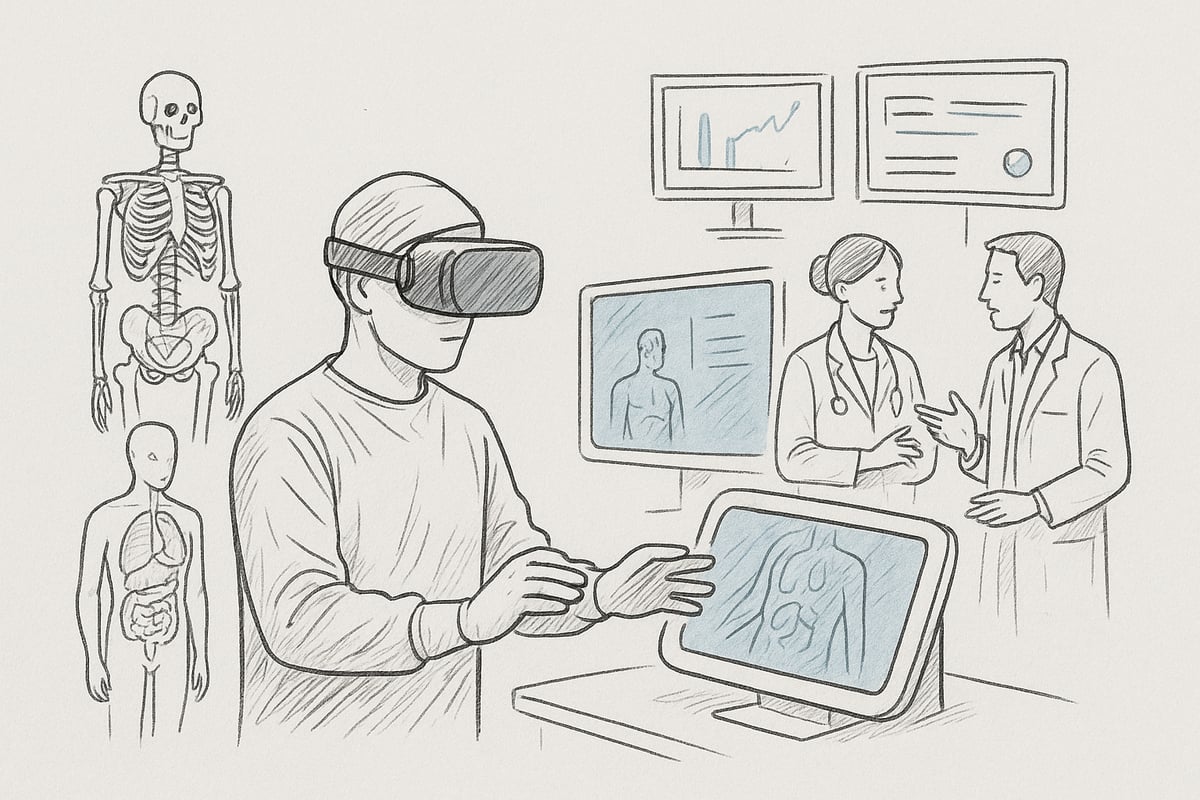
Today, simulation and VR have become indispensable tools for those who want to understand what a skilled surgeon must be able to master. Through advanced simulations, aspiring surgeons can practice both technique and decision-making in a safe environment. Statistics show that the use of simulation training significantly reduces errors and improves learning.
Hands-on training on anatomical models is still central. The range of anatomical models for surgical training provides the opportunity to train precision and dexterity, which is essential for transferring skills to the real operating room.
Interdisciplinary collaboration and feedback culture
An important part of what a skilled surgeon must be able to master is the ability to collaborate across specialties. The education of the future emphasizes interprofessional training courses, where surgeons, nurses, and other health professionals train together.
In addition, feedback culture and personal learning plans are in focus. Systematic feedback improves both individual skills and team collaboration. It creates a culture where learning and development are a natural part of everyday life.
Simulation and e-learning: New opportunities
Digital tools such as e-learning and VR simulation open up flexible and targeted training. Courses and online platforms make it easier to stay up-to-date on new techniques and knowledge of what a skilled surgeon must be able to master.
For inspiration on the latest methods, you can read the blog about medical education and simulation , where current articles highlight simulation, technology, and learning strategies for healthcare professionals.
International requirements and examples from practice
Globalization is creating greater uniformity in the requirements for what a skilled surgeon should be able to master. International standards and certifications are becoming more widespread, and many hospitals are working purposefully to integrate them into training.
Leading hospitals are investing in advanced simulators and collaborating with universities on research-based training, resulting in a generation of surgeons equipped for the challenges and opportunities of the future of healthcare.
The role of technology in the surgeon's everyday life
The modern surgeon experiences an everyday life where technology is indispensable. From the operating room to the patient's awakening, advanced solutions characterize what a skilled surgeon must be able to master. Development is rapid, and technological skills are no longer an option, but a necessary requirement to ensure quality and safety in patient treatment.
Robotic surgery has become standard in many hospitals, enabling precise interventions with minimal patient strain. Artificial intelligence (AI) assists with diagnosis and decision support, reducing errors and optimizing the treatment process. 3D-printed implants are individually customized and improve both function and aesthetics. Digital tools, such as advanced visualizations and anatomical posters for learning and patient communication , make it easier to explain complex procedures and create patient confidence.
Technology not only improves precision and safety, but also collaboration between different professional groups. Data shows that the use of digital solutions in operating rooms globally has increased significantly in recent years. This means that what a skilled surgeon must be able to master is largely about integrating new technologies into everyday life and using them to create better patient outcomes.
At the same time, new challenges arise. Finances and investments in equipment require prioritization, and ongoing training is needed to ensure that technology is used correctly. Ethical responsibility also becomes central, especially as AI and automation play a greater role. Collaboration between surgeons, engineers and IT specialists will be crucial to develop and implement the solutions of the future.
Going forward, technologies such as robotic surgery and AI-based tools are expected to become standard in the operating room. To meet the demands of what a skilled surgeon should be able to master, it is necessary to be adaptable and curious about new possibilities. Technology is helping to shape the future of surgery and is setting new standards for quality, safety and patient experience.
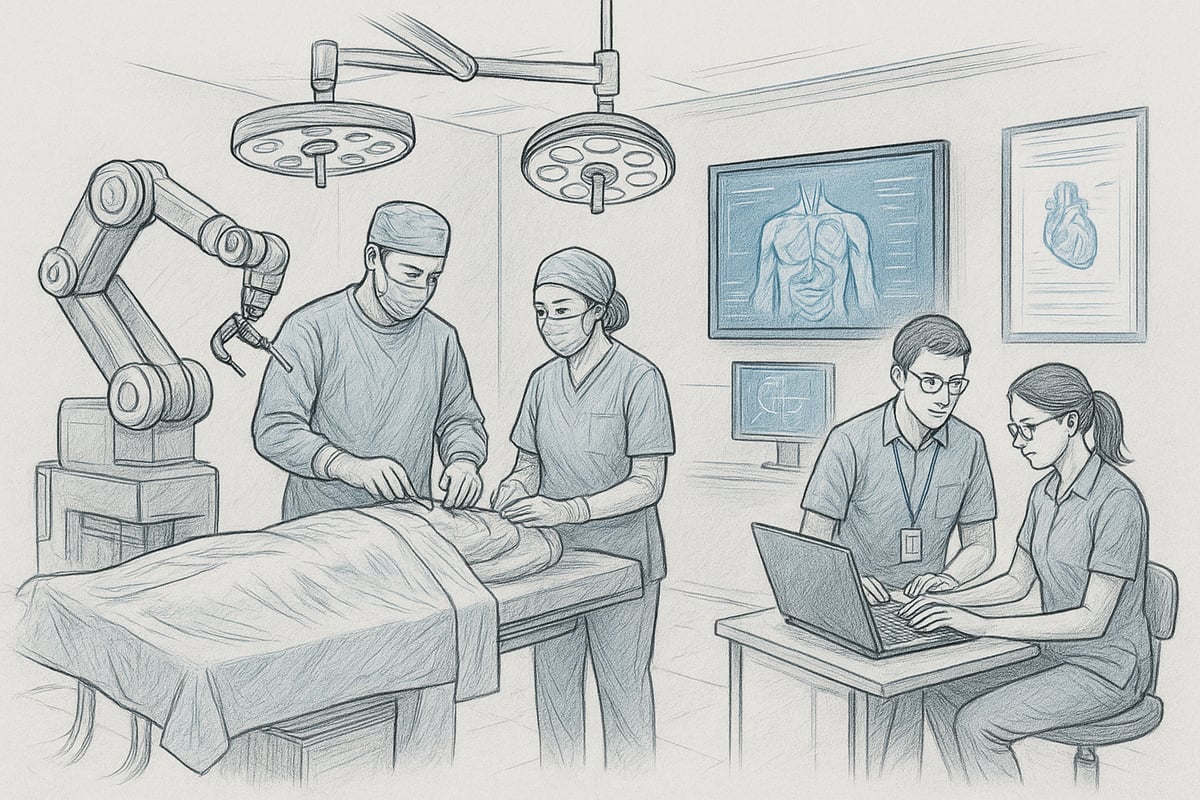
As we look at how the world of surgery will evolve towards 2026, it is clear that technical skills, collaboration and the ability to adapt to new technology will be essential for you to be among the best. Whether you are a student, a teacher or already working in healthcare, you can strengthen your understanding and skills with the right resources. At eAnatomi you will find models and materials that make it easier to translate theory into practice and stay up to date with the latest requirements.
Read more here
0 comments