

Dog skulls have fascinated researchers, educators, and collectors alike throughout history. From detailed scientific analysis to unique decorations and educational uses, the shape and history of the dog skull arouses curiosity in many.
In this guide, you will get an updated overview of everything about dog skulls in 2026. You can expect insights into anatomy, education, selection and purchase, maintenance, ethical dilemmas, and the latest trends. Read on and become equipped with knowledge that will make you an expert in the field.
Anatomy of the Dog Skull: Structure and Function
Understanding a dog's skull requires a closer look at both structure and function. The dog's skull is packed with fascinating details, with each bone having a specific role. This section delves into its structure, its importance to health, and the changes that occur from puppyhood to adulthood.
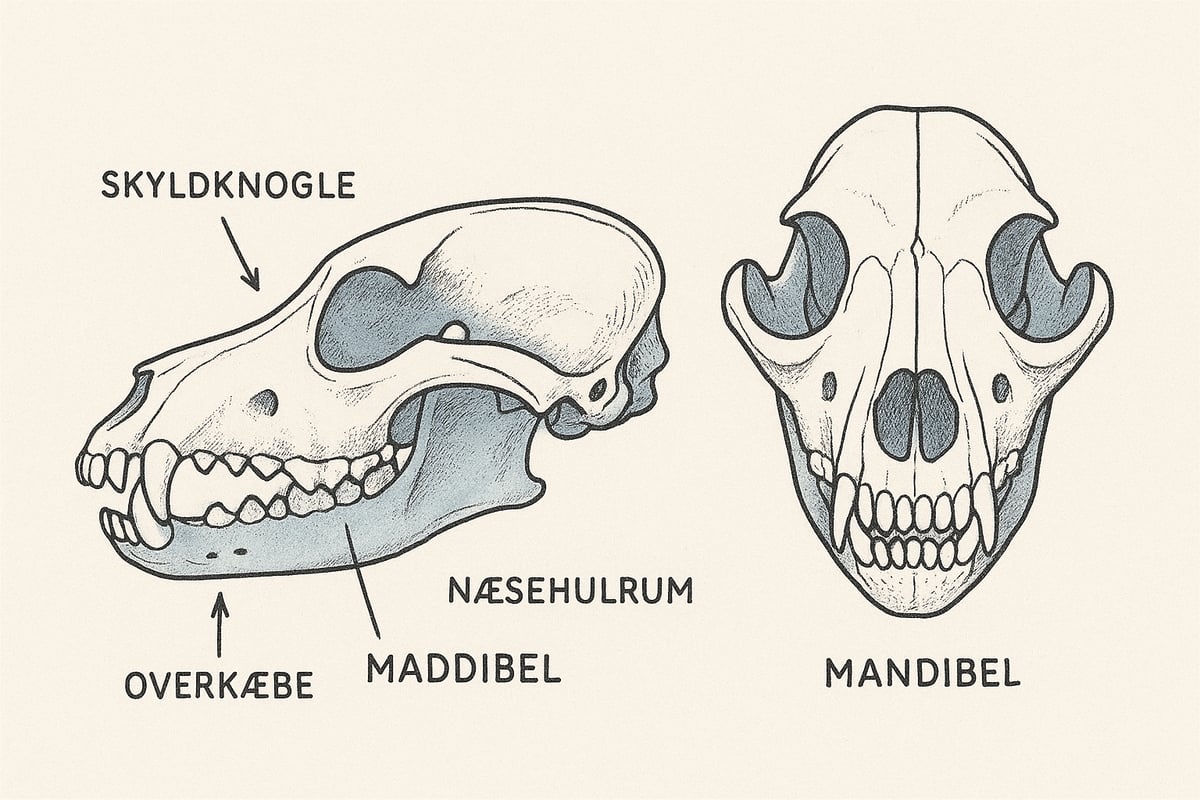
Basic structure and bones
A dog's skull consists of several central parts that form the basis of the dog's head. The cranium protects the brain, while the jaws ensure that the dog can eat and bite. The teeth are anchored in the maxilla (upper jaw) and mandible (lower jaw), both of which are strong and adapted to the dog's diet.
The main bones in a dog's skull include:
- Maxilla : The upper jaw that carries most of the teeth.
- Mandible : Lower jaw, responsible for bite force.
- Zygomatic arch : Cheek arch that supports the shape of the skull.
- Nasal bone : Forms the bridge of the nose and protects the sense of smell.
- Frontal bones : Forehead area, protects the brain.
- Parietal bones : Form the upper part of the cranium.
The function of each bone is carefully coordinated so that the dog's skull can withstand pressure, protect soft tissues and provide space for senses. The interaction between the maxilla and mandible means that the dog can chew both meat and bones.
Specific features of the dog's skull distinguish it from other animals. For example, certain breeds, such as the pug and bulldog, have a shortened and wide skull (brachycephalic), while the greyhound and collie have a long and narrow skull (dolichocephalic).
| Race | Skull type | Nose | Typical characteristics |
|---|---|---|---|
| Pug | Brachycephalic | Short and wide | Flat nose, big eyes |
| German Shepherd | Mesaticephalus | Medium length | Balanced skull |
| Greyhound | Dolichocephalic | Long and narrow | Long nose, slim shape |
The dog skull is therefore not just a collection of bones, but a complex structure where form and function are closely related.
The importance of the dog skull for health and behavior
The shape of the skull has a major impact on a dog's health and daily life. For example, a compact dog skull can lead to breathing problems, especially in brachycephalic breeds like the French Bulldog. These dogs often have narrowed airways and snore frequently.
The set of teeth and the shape of the jaws affect bite strength and chewing habits. Dogs with strong mandibles can crush hard objects, while small breeds with short snouts are more likely to develop dental problems. The sense of smell is closely linked to the size and shape of the nasal cavity, making the dog's skull central to the dog's ability to pick up scents.
Statistics show that up to 50% of brachycephalic dogs experience skull-related problems during their lifetime. These problems can include dental malformations, breathing difficulties and eye problems. There are also breed differences in bite strength, with large breeds often having stronger bites than small ones.
The dog skull is thus a key to understanding both the physical and behavioral characteristics of dogs.
Development from puppy to adult dog
The development of a dog's skull starts before birth and continues well into the puppy's life. The skull grows in several phases, where the different bones gradually grow together and become stronger.
During puppyhood, the dog's skull is more soft and flexible. Teething typically begins around 3-6 months of age, when the baby teeth are replaced by the permanent teeth. This creates changes in both the maxilla and mandible to accommodate the growing teeth.
As the dog grows, the bones of the skull strengthen and the sutures (the small joints between the bones) grow together. This creates a more robust dog skull that can better protect the brain and support a stronger bite.
Changes in skull shape throughout life also affect a dog's behavior and ability to chew, bite, and smell. A healthy dog skull is therefore essential for both well-being and function in the dog.
Dog Skulls in Education and Research
Dog skulls play a central role in both teaching and research. Modern veterinary education and biological studies use both real and artificial dog skulls to provide students with an in-depth understanding of anatomy, diseases, and evolutionary relationships. With the development of new teaching methods and materials, the use of dog skulls has become both more accessible and ethically sound.
Use in veterinary education and biology
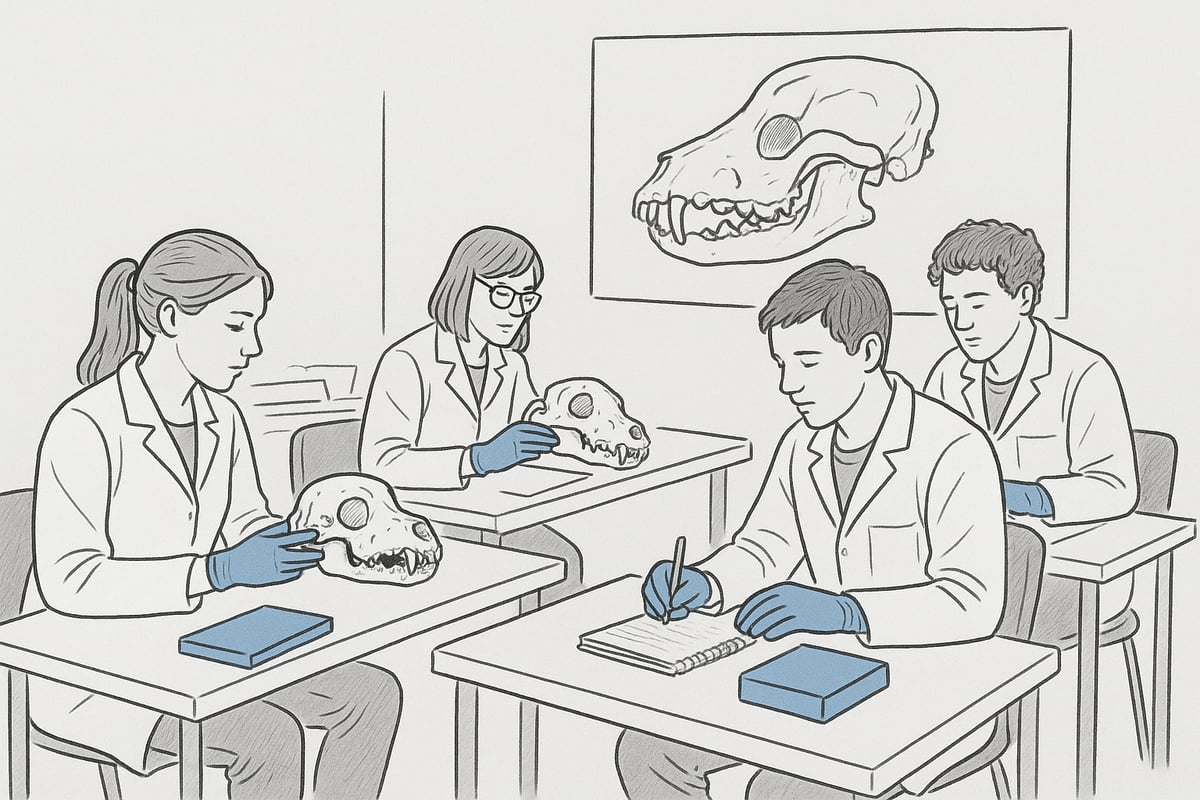
In veterinary education, dog skulls are used both as real skeletons and as synthetic models. Real dog skulls provide a unique understanding of variations in anatomy, while artificial models are often more durable and accessible. Many students prefer models because they can be used repeatedly without the risk of biological degradation.
The benefits of using models include:
- Ethically sound teaching without using biological material
- Easier access and the possibility of acquiring more variants
- Long durability and lower maintenance requirements
Several Danish educational institutions, including the University of Copenhagen, are actively working with the donation of dogs for anatomy teaching. Read more about their practice for the donation of dogs for anatomy teaching , which ensures that the use of dog skulls is carried out under strict ethical guidelines.
Statistics from recent years show a significant increase in the use of synthetic dog skulls in veterinary studies. This is due to both improved quality and increased focus on animal welfare. Dog skulls are also included in biology teaching, where they are used to illustrate differences between breeds and to understand the impact of the skull on behavior and health.
Dog skulls in research
Research into dog skulls is of great importance for the understanding of both evolution and disease. By analyzing the structure of the skull, researchers can map how different breeds have evolved over time and which genetic traits influence skull shape. Dog skulls also play a crucial role in the study of hereditary diseases, especially those related to the growth and development of the skull.
Examples of research projects include:
- Comparison of skull shapes between brachycephalic and dolichocephalic breeds
- Analysis of bite force and its relationship to skull structure
- Study of genetic mutations affecting dog skulls
The use of dog skulls in comparative anatomy provides valuable insights into the development of both humans and other animals. Modern technologies such as 3D scanning and digital modeling make it possible to analyze dog skulls at a detailed level, opening up new research opportunities.
Dog skulls remain an indispensable tool in both education and research, and it is expected that their use will only increase with technological advances and increased focus on ethical responsibility.
Dog Skulls as Decoration, Art and Collectibles
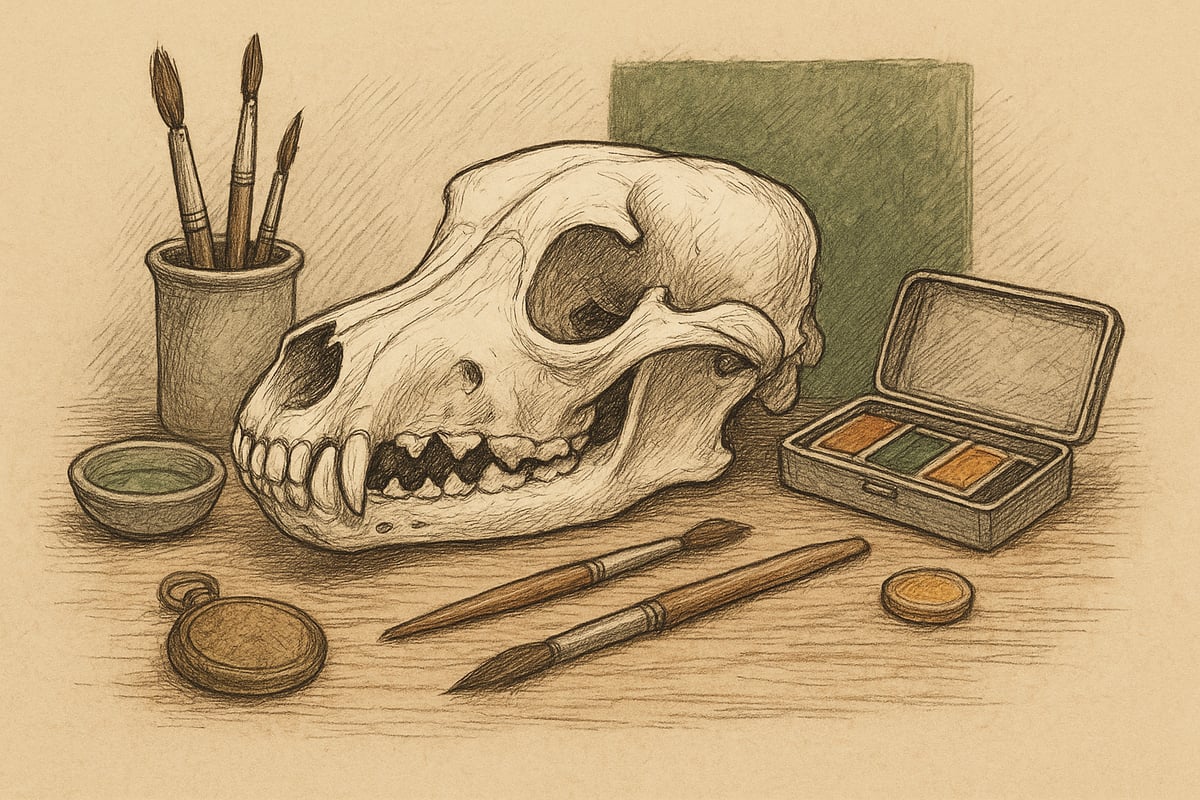
The interest in dog skulls as decoration has deep roots in both history and modern culture. Many are fascinated by the skull's shapes and symbolism, which has made it a popular motif in everything from art installations to home interiors. Dog skulls are not only an eye-catcher, but also a topic of conversation that arouses curiosity and reflection.
Historical and cultural significance
Dog skulls have been part of human symbolism for centuries. In ancient times, skulls were often used as amulets, symbols of strength, or in ritual contexts. In modern times, dog skulls are seen in film, music, and design, where they signal mysticism or raw aesthetics.
Popular culture has particularly embraced skull motifs. Halloween decorations and home themes are dominated by skulls, with dog skulls often used to create a unique atmosphere. Data from Google Trends shows a significant increase in searches related to skull-inspired interiors and art between 2023 and 2026.
Examples of use:
- Artistic installations with dog skulls
- Jewelry and fashion inspired by the shapes of the skull
- Theme parties and exhibitions focusing on anatomy
This cultural flourishing has made the dog skull a sought-after symbol, both among artists and ordinary collectors.
Collectibles and legislation
For collectors, a dog skull is often more than just decoration. It can be a unique testament to a species, breed, or historical period. The value depends on age, rarity, preservation, and documentation. Special features, such as intact teeth or rare shapes, increase interest.
The rules for storing, buying and selling real skulls vary considerably between Denmark, the EU and the USA. In Denmark, documentation of legal origin is often required, and certain species are protected. In the EU, common rules apply, while the USA has its own, often stricter regulations. It is crucial to familiarize yourself with the Terms and Conditions and legislation before purchasing or importing.
| Area | Documentation requirements | Special rules |
|---|---|---|
| Denmark | Yes | Protected species |
| European Union | Yes | CITES regulations |
| United States | Often stricter | State law |
Trading in dog skulls therefore requires responsibility and insight into applicable legislation.
Artificial vs. real skulls for decoration
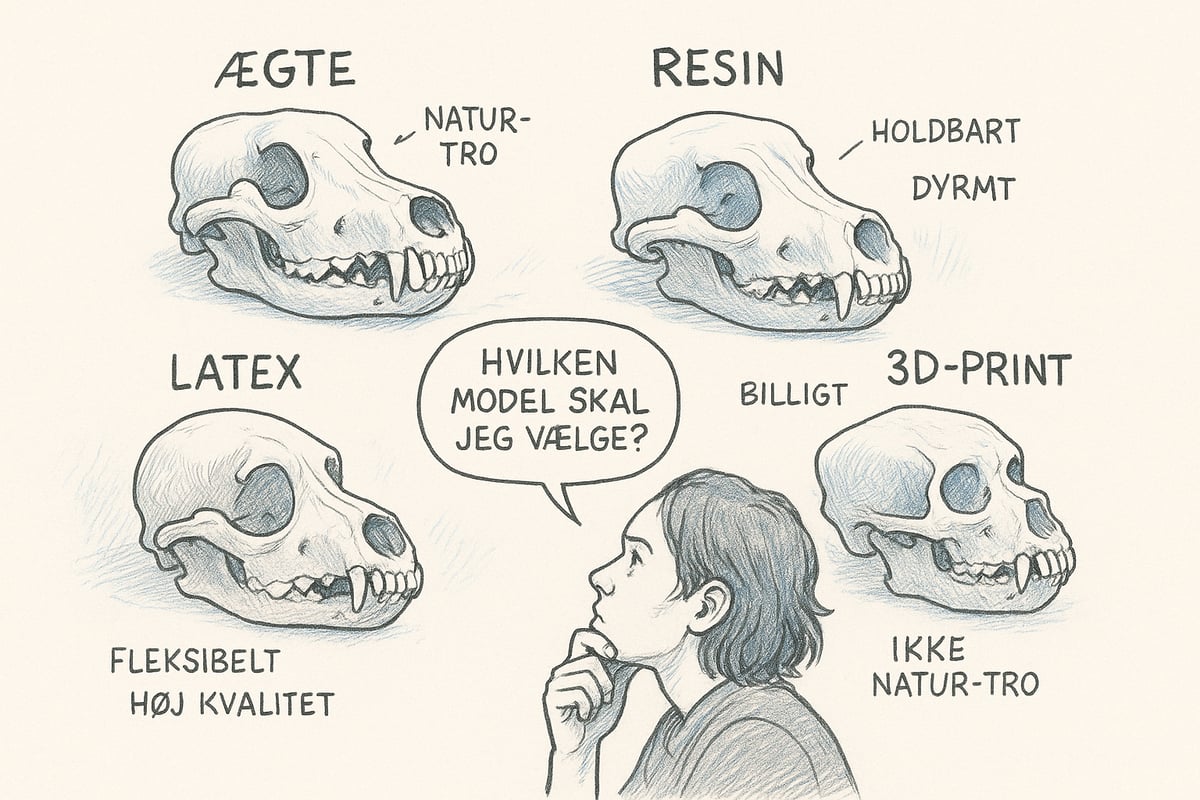
The market offers a wide selection of both real and artificial dog skulls for decoration. Real skulls are unique and have high collector value, but can be expensive and require special storage. Artificial models in resin, latex or 3D printing are popular alternatives, as they are easier to obtain and often cheaper.
Advantages of artificial models:
- Ethical and legal alternatives
- Easy maintenance
- Possibility of custom design and color selection
Disadvantages can be less authenticity and lower collector value. The price level ranges from a few hundred kroner for simple latex models to several thousand for detailed resin or custom-made dog skulls.
The choice depends on purpose, budget, and desired aesthetics. Regardless of the choice, one should ensure that the dog skull has been produced, purchased, and stored responsibly.
How to Choose and Buy the Right Dog Skull
Choosing the right dog skull requires thought and knowledge about both purpose, materials and quality. Whether you are a student, teacher, collector or simply fascinated by dog skulls, it is crucial to be clear about what your needs are. Here you will find a practical guide to finding the dog skull that best suits you.
Purpose: Education, decoration or collection?
The first step is to clarify why you want a dog skull. For teaching purposes, anatomical accuracy is most important. For decoration, aesthetics and price are important. Collectors focus on rarity and authenticity.
Consider whether you need a realistic dog skull for study purposes or whether a decorative model is enough. Students and educators often have different requirements than collectors. A clear understanding of the purpose makes it easier to make the right choice and avoid buying the wrong one.
Materials: Real, resin, latex, 3D print
Dog skulls are made from several materials, each with their own advantages and disadvantages. Real skulls are unique but require special handling. Resin and latex provide good detail and durability. 3D printed models are often cheaper and can be customized.
| Material | Advantages | Disadvantages |
|---|---|---|
| Genuine | Unique, realistic | Expensive, ethically complex |
| Resin | Durable, detailed | Can be heavy |
| Latex | Light, flexible | Less durable |
| 3D printing | Cheap, customizable | May be missing details |
When choosing a dog skull, the material should be matched to the use. For teaching, resin or 3D printing is recommended for easy maintenance.
Quality criteria and authenticity
Quality and authenticity are essential, especially if you are investing in a dog skull for collection or education. Look for precise detail, anatomical correctness, and a nice finish. Be wary of fake or imitation models, which can be difficult to distinguish from the real thing.
A good indicator is certification or documentation from the retailer. Read about the company's values and the quality of the products, e.g. at About eAnatomi and the quality of the products , to ensure you make a trustworthy purchase. Always check whether the dog skull meets applicable standards.
Where can you buy dog skulls in 2026?
There are several options for purchasing a dog skull. Reputable online retailers offer both real and artificial models. Specialty stores and trade shows may allow you to see the products in person. E-commerce has become popular because it provides access to a wide selection and detailed descriptions.
Popular products include latex dog skull masks for Halloween and resin models for teaching. Always check reviews and the reputation of the retailer before making a purchase. Remember to research the laws if you want a real dog skull.
Price levels and what you get for your money
The price of a dog skull varies greatly depending on the material, size, and rarity. Real skulls typically cost the most, especially if they are well-preserved or from rare breeds. Resin and latex are in the mid-range, while 3D-printed models are often the cheapest.
Expect to pay anywhere from a few hundred to several thousand dollars, depending on quality and purpose. Consider what you're getting for your money: Is realism, durability, or ethical responsibility most important? Choosing the right dog skull will help you get the most value out of your purchase.
Maintenance, Storage and Safety
Properly caring for a dog skull requires both knowledge and care, regardless of whether the skull is real or made of synthetic materials. Proper maintenance not only extends the lifespan, but also ensures that the skull retains its appearance and anatomical details. Here you will find a detailed guide to cleaning, storing and safe handling.
Cleaning and care of real and artificial skulls
When cleaning a dog skull, it is important to consider the material. Real skulls require extra care, as biological material can be easily damaged. Always use soft brushes and mild cleaning agents without harsh chemicals. The same applies to artificial models, but here you can usually use a slightly stronger soap without risk.
Here are some recommended products and methods:
| Material | Cleaning agent | Tool |
|---|---|---|
| Real skulls | Neutral soap, water | Soft toothbrush |
| Resin/latex | Mild soap, lukewarm water | Microfiber cloth |
| 3D printing | Alcohol-free wipes | Soft brush |
Avoid submerging a dog skull in water, as moisture can damage both real and artificial varieties. Dry the skull thoroughly after cleaning, and make it a habit to inspect it for cracks or damage.
Storage and display
Proper storage is essential to keeping a dog skull in optimal condition. Store skulls away from direct sunlight, as UV rays can fade and weaken the material. Use glass cases, closed cabinets, or special boxes to protect against dust and moisture.
Consider the following solutions:
- Glass display cases for display and protection
- Wall hanging with soft cushions for support
- Closed boxes with silica bags against moisture
Never place a dog skull near heat sources or in damp rooms. Regular inspection for pests or mold is also important, especially for real skulls. Remember to choose a safe place where children and pets cannot reach it.
Handling precautions
When handling a dog skull, you should always wear gloves to protect both yourself and the skull from grease and dirt. With real skulls, residual biological material can pose a health risk, so also wear a mask and work on an easily cleanable surface.
Educational institutions, in particular, have strict procedures for handling dog skulls. It is important to follow the institution's guidelines carefully. Also, always keep tools and cleaning supplies out of the reach of children.
By combining proper cleaning, storage, and safe handling, you ensure that your dog skull remains both beautiful and safe for many years to come.
Ethics, Legislation and Sustainability around Dog Skulls
Owning or working with a dog skull raises important ethical questions. Many people wonder where real skulls come from and how to ensure that they are responsibly sourced. Animal welfare is central, and documentation is often required to show that the animal has not been killed for the purpose of selling the skull. In Denmark and internationally, there is a growing focus on using synthetic alternatives, such as resin or 3D printing, to avoid ethical dilemmas. If you are considering a dog skull for education or collection, it is recommended to read ethical guidelines for animal experiments to understand the requirements and expectations that apply. The debate about whether it is ethically sound to own real skulls continues, and many people today consciously choose the ethical alternatives.
Legislation in Denmark and internationally
The legislation surrounding dog skulls is complex and varies between countries. In Denmark, the purchase and sale of genuine dog skulls often requires documentation proving legal origin and proper treatment of the animal. Imports and exports are subject to strict regulations, and in the EU special certificate requirements apply to prevent illegal trade. In the USA, the regulations may vary from state to state, but the common denominator is that lack of permits can lead to confiscation and fines. To ensure that you are following applicable laws, you should always thoroughly research local and international regulations. Illegal trade in dog skulls continues to occur, and authorities have repeatedly seized skulls without the necessary documentation.
Sustainable alternatives and future solutions
Sustainability is playing an increasingly important role when working with dog skulls, especially in educational and research contexts. Several manufacturers are now developing models in recycled materials, bioplastics or advanced resin, which are both environmentally friendly and anatomically correct. 3D printing makes it possible to customize models to specific needs, which reduces waste and makes education more accessible. Statistics show that the demand for sustainable educational models is increasing significantly. By choosing synthetic alternatives to dog skulls, you contribute to responsibility and promote green development in the industry.
Future Trends: Dog skulls in 2026 and beyond
Technology and consumer behavior are rapidly shaping the way we understand and use dog skull models. In this section, we take a closer look at how innovation, design, market trends, and interdisciplinary collaboration are already paving the way for future solutions. Developments indicate that dog skulls will gain even greater importance in both education, research, and the collecting world.
Technological innovations
In 2026, technology will revolutionize our approach to dog skull knowledge. 3D scanning and 3D printing make it possible to create exact replicas of any dog skull type, increasing realism in both teaching and research. Virtual and augmented reality (VR/AR) allows students to explore dog skull structures on a whole new level, without physical material. Apps and specialized software offer interactive experiences where the user can rotate, magnify, and simulate features of a dog skull. This creates a much better understanding of anatomy and variations. For students who want to learn more about digital models and virtual learning tools, theFor Students about Anatomical Models page is recommended.
Design and personalization
The demand for personalized dog skull models is increasing significantly. Consumers can now order custom-made models based on their own dog's skull, which increases both emotional value and educational impact. New trends include colored or artistically decorated dog skull models, which can serve as both decorative elements and learning tools. The finish and level of detail are customized according to needs, and it has become possible to choose between different materials, such as environmentally friendly bioplastic or classic resin. A dog skull tailored to personal wishes can now be integrated into both the home and the educational environment.
Market trends and consumer behavior
The market for dog skull products has experienced significant growth from 2023 to 2026. Statistics show increased sales of both real and artificial models, especially via e-commerce and niche stores. Consumers are increasingly looking for DIY solutions where they can assemble or decorate their dog skull themselves. E-commerce makes it easier to compare prices, materials and authenticity, while trade shows and specialty stores still play a role for enthusiasts. The expectation is that the market will continue to grow, with more opportunities for individualization and sustainable choices, where each dog skull gets its own story.
Collaboration between education, technology and ethics
Interdisciplinary collaboration is crucial for the future development of dog skull models. The education sector is working closely with technology companies and researchers to create solutions that are both ethically sound and pedagogically effective. There is an increased focus on sustainability, for example through the use of recyclable materials and digital teaching. The debate about ethics and responsibility is growing, and more institutions are leaning on the principles of Scientific Ethics and Bioethics to ensure that the use of dog skull models is done on a responsible basis. The future offers even greater integration between technology, education and ethical awareness.
When you delve into the fascinating world of the dog skull, you quickly discover how much there is to learn about anatomy, ethical considerations and the latest trends in models and teaching materials. If you lack inspiration for choosing the right model, or want to delve further into the details behind materials, quality and legislation, you can find plenty of knowledge and professional solutions at eAnatomi. Here you get access to a wide selection of anatomical models developed in collaboration with experts, so that both teaching and assembly become easier and more inspiring.
Read more here
0 comments