

Are you a veterinary student and the anatomy exam is approaching? You are far from the only one feeling the nervousness. Many students find that this particular exam is among the most demanding in veterinary studies.
This guide is designed to help you with a step-by-step strategy so you can prepare effectively for the anatomy exam in 2026. The goal is to achieve top results without unnecessary stress and uncertainty.
Here you will get a comprehensive overview of everything from exam format and syllabus to study techniques, resources, time management, frequent mistakes and insider tips from former students.
Are you ready to take control of your preparation? Read on and discover how to best tackle the veterinary student and anatomy exam in a structured and calm way.
Understanding the anatomy exam for veterinary students
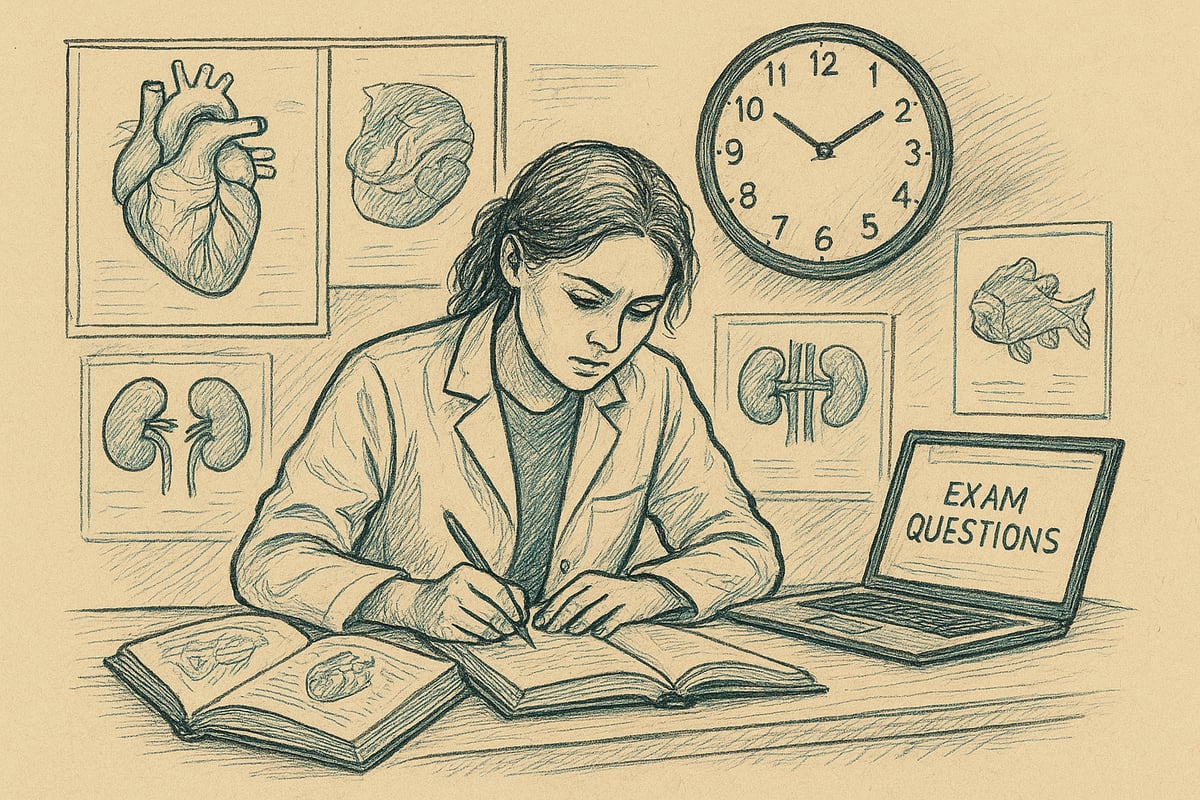
Understanding the anatomy exam format is the first step for veterinary students and anatomy examiners. Exams can be written, oral, or practical, depending on the university. Typically, the test consists of multiple choice questions, essays, and image recognition. The assessment weighs both accuracy and depth, with written sections often accounting for 60-70 percent of the overall grade. The exam period itself usually lasts between 2 to 4 hours, and the structure requires you to balance time between task types.
Exam format and requirements
Veterinary student and anatomy exams often involve both theoretical and practical tests. The written part tests knowledge with multiple choice, essays and image recognition. The oral or practical exam requires you to be able to identify structures on models or pictures and explain their function. Assessment criteria emphasize precision, understanding and the ability to apply anatomical knowledge in clinical contexts. The exam typically lasts 2-4 hours, and you must allocate your time effectively between tasks.
Key topics and curriculum
The syllabus for veterinary students and the anatomy exam is broad. Macroscopic anatomy includes organs, skeleton and muscles, while microscopic anatomy focuses on tissues and cells. Special emphasis is placed on species such as dogs, cats, horses and cattle. It is important to be able to compare anatomical differences across species, as questions often relate to clinical practice. A thorough understanding of both macroscopic and microscopic structures is essential to pass.
Statistics: Pass rates and pitfalls
According to university reports, the passing rate for veterinary students and anatomy exams is typically between 65 and 75 percent. Many fail due to lack of understanding of key concepts or time pressure during the exam. A common pitfall is focusing too much on rote learning instead of achieving deep understanding. Statistics show that those who fail often underestimate the scope and complexity of the material.
The importance of early preparation
Starting preparation 3 to 6 months before the veterinary student and anatomy exam allows for continuous repetition and better learning. By repeating continuously, the chance of long-term memory is increased and stress reduced leading up to the exam. Many students benefit from following specific study tips such as those in How to Best Learn Anatomy , where structured study habits are recommended. Early action eases the pressure in the final weeks.
Examples from previous exams
Past veterinary student and anatomy exams have often included questions such as “Describe the circulatory system in the horse and compare it to the dog” or “Identify and explain the function of the lobule of the liver on a microscopic image”. Topics vary, but the circulatory system, musculoskeletal system and the structure of organs are recurring themes. It is worth reviewing old exam papers as they provide insight into typical questions and possible variations in question types.
Perspective: What do teachers expect?
The teachers expect veterinary students to not only be able to reproduce facts, but also to demonstrate deep understanding and apply anatomical knowledge clinically. They want you to be able to explain relationships and argue for the choice of diagnostic methods. Superficial knowledge is rarely enough to achieve a high result. Your ability to relate theory to practice is highly valued in the assessment.
Effective study techniques for anatomy exams
Mastering anatomy requires more than just reading through the syllabus. For veterinary students and anatomy exams, structured, targeted, and varied preparation is essential for both understanding and long-term memory. Below are specific techniques that will help you study smarter and avoid unnecessary stress.
Planning and structuring reading
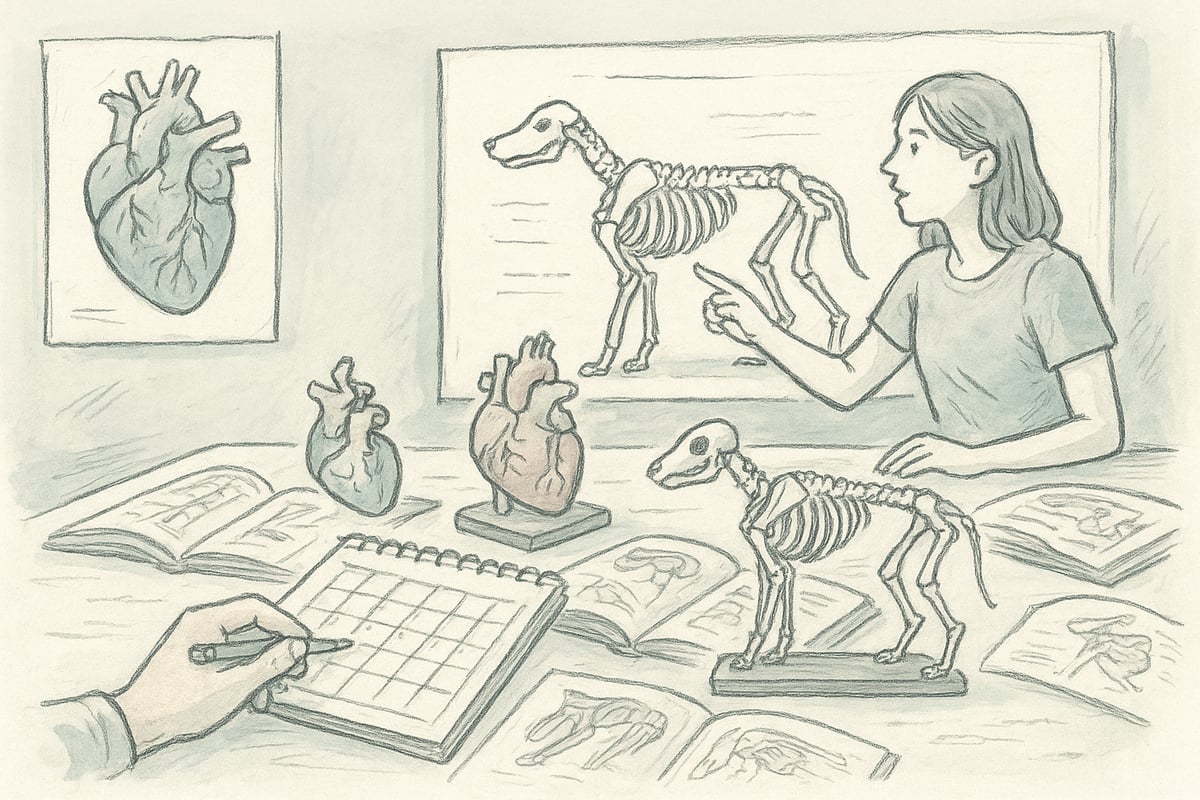
Effective planning is the foundation for success for veterinary students and the anatomy exam. Start by creating a detailed study plan, where you distribute core material and difficult topics early in the process.
Use weekly plans and daily routines to create an overview. Prioritize the areas you find most challenging, and set specific goals for each reading day. Mind maps and flashcards are valuable tools for breaking down complex topics into manageable parts.
Create a chart where you can check off when you have covered a topic. This provides both motivation and structure so you don't overlook important areas of the syllabus.
Active learning and repetition
Active learning significantly enhances comprehension for veterinary students and anatomy exams. Explain concepts out loud to yourself or discuss them with a study partner. It forces you to think in your own words and quickly reveals any gaps in your knowledge.
Quizzes and self-tests are obvious ways to measure your progress. Spaced repetition techniques, where you repeat material at increasing intervals, can increase your memory by up to 50 percent. Use apps or digital tools to schedule your repetitions to ensure that the material is refreshed on an ongoing basis.
By testing yourself regularly, you avoid forgetting important information, which is especially important leading up to veterinary student and anatomy exams.
Visual aids and models
Visual aids should be a regular part of veterinary student preparation and anatomy exams. Anatomical posters, 3D models, and digital resources like Complete Anatomy or Visible Body can make it easier to understand complex structures.
When working with models, you get the opportunity to both see and touch the organs, which strengthens your spatial understanding. Posters on the wall help with daily repetition and make it easy to repeat, even when you take a break.
Hands-on learning, where you draw or assemble models yourself, has been shown to significantly improve student outcomes.
Group work and study groups
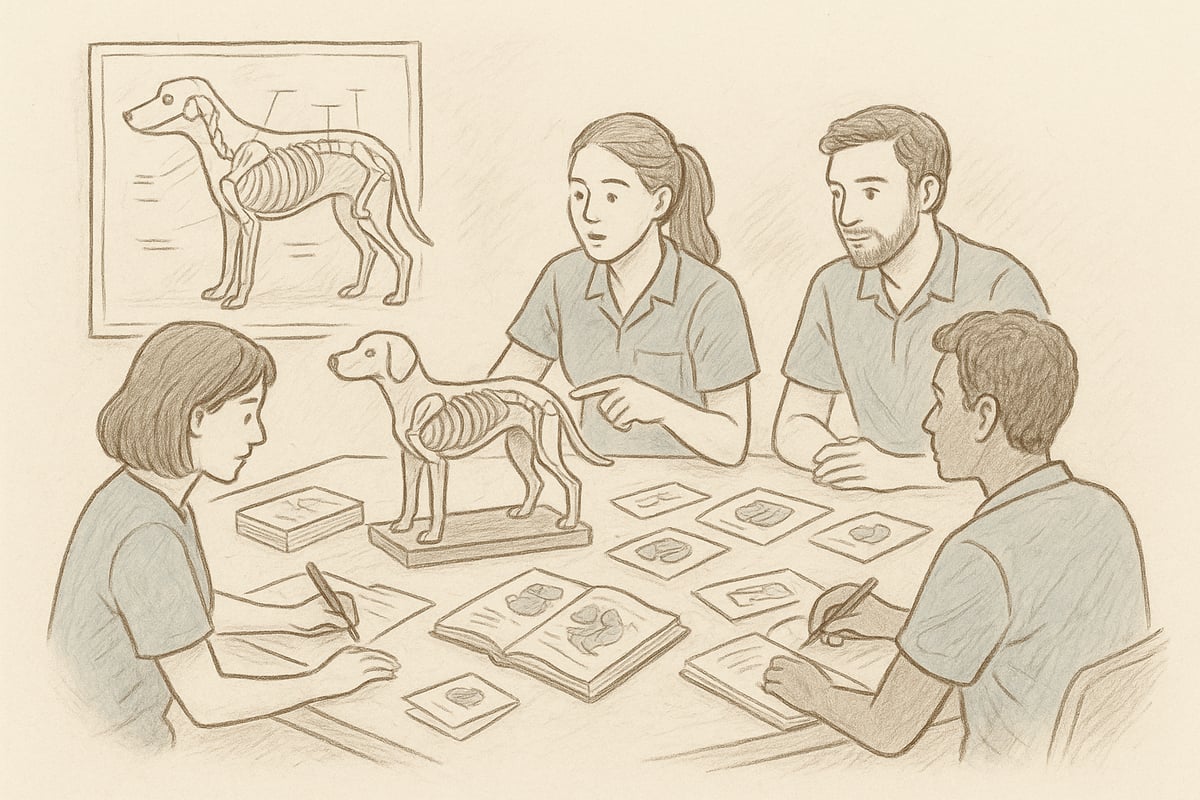
Study groups can be a great benefit for veterinary students and anatomy students. Divide the syllabus among the group members so that everyone is responsible for presenting different topics. This provides both variety and deeper understanding.
Peer teaching, where you teach each other, strengthens learning because you are forced to explain the material clearly. Create small internal quizzes or discussions to challenge each other.
Examples from previous years show that study groups often perform better and achieve greater academic results.
Time management and breaks
Good time management is essential for veterinary students and anatomy exams. The Pomodoro technique, where you work for 25 minutes and take a 5-minute break, helps you maintain focus without burning out.
Also, plan recovery and sleep into your calendar. Studies show that students who take regular breaks score 15 percent higher on exams, on average.
Avoid procrastination by having a to-do list and reward yourself when you reach your goals. Breaks are not wasted time, but an investment in your learning.
Managing exam anxiety
Exam anxiety affects many veterinary students and anatomy students, but there are effective tools to deal with it. Try relaxation exercises and focused breathing to calm your nerves.
Visualize the exam situation to mentally prepare yourself for the day. Mindfulness and short meditations can help reduce stress and increase concentration.
Case examples show that students who use these techniques often experience more calm and confidence during the exam.
Resource recommendations and material selection
Choosing the right resources is of great importance for veterinary students and anatomy exams. Classic textbooks such as "Animal Anatomy" and "Veterinary Anatomy Coloring Book" cover the syllabus thoroughly. Online lectures and videos can supplement, especially for visual topics.
When working with musculoskeletal anatomy, the Musculoskeletal Anatomy Study Guide can give you concrete techniques for remembering difficult details. Always use up-to-date notes and choose reputable sources to avoid wasting time on outdated material.
Review your materials continuously and adapt them to your own strengths and weaknesses to optimize your preparation.
Practical preparation steps: From the start of the semester to the exam day
Preparing effectively as a veterinary student and for the anatomy exam requires a structured approach from the first day of the semester to the actual exam day. Here you will get a step-by-step guide to help you build solid understanding, boost your confidence, and manage the pressure so you can take the exam with peace of mind.
Startup: Set goals and understand the curriculum
As a veterinary student and anatomy exam taker, you should start by reading the curriculum and exam descriptions thoroughly. This ensures that you understand the requirements and can plan your efforts purposefully. Set SMART goals for your learning so that you can track your progress. For example, a goal could be: "I can draw and explain the heart and circulatory system of a dog, cat and horse by week 8."
Make sure you create the right learning environment, where you have access to relevant resources and peace and quiet to immerse yourself in. Consider setting up your study corner inspired by Create the Best Learning Environment , so you get the most out of your preparation for veterinary students and the anatomy exam.
Ongoing studies: Organization and rehearsal
A structured weekly schedule is essential for veterinary students and anatomy exams. Use monthly calendars to distribute the syllabus to avoid last-minute stress. Integrate revision every week, and actively use previous exam assignments to practice your understanding and time management.
Have short, daily reading sessions where you focus on one topic at a time. End the week by reviewing and checking which areas need additional focus. This way you will ensure continuous progress throughout the semester.
Practical training: Laboratories and dissections
Practical exercises are essential for veterinary students and anatomy exams. Participate actively in all laboratory classes and dissections. Take notes along the way and make quick sketches of the most important structures.
Hands-on experience strengthens your spatial understanding and makes it easier to remember complex relationships. Statistics show that up to 80 percent of students who prioritize practical training achieve better results in veterinary and anatomy exams.
Visualization and modeling
Visualization is a powerful tool for veterinary students and anatomy exams. Draw your own illustrations of organs and systems to get a personal overview. Use 3D models to gain a deeper spatial understanding.
Studies show that students who use anatomical models are more likely to pass on the first try. Combine posters and digital resources to strengthen your visual memory and make revision more effective.
Test yourself continuously
Self-assessment is essential for veterinary students and anatomy exams. Take weekly quizzes and use flashcards to practice concepts and names. Peer-reviewing your answers with fellow students provides new perspectives and strengthens your understanding.
Compare your results with previous exam papers to measure your progress. This method helps you identify weak areas well in advance of the exam.
The week before the exam: Intensive rehearsal and simulation
The last week before the veterinary student and anatomy exam, you should focus on intensive revision. Take mock exams under time pressure to simulate the real situation. This will reveal where you still lack knowledge so you can prioritize your efforts.
A case study from previous years shows that students who used mock exams improved their scores by up to 20 percent. It is an effective strategy for building confidence and reducing test anxiety.
Exam day: Routines and final preparations
On the day of the veterinary student and anatomy exam, it's important to stay calm. Pack all necessary materials the night before to avoid stress in the morning. Create a regular morning routine with a light breakfast and a brief review of your notes.
During the exam, it is important to breathe deeply and take small breaks if possible. Remember that your preparation has given you a solid foundation. With structure, calm and focus, you can perform optimally on the veterinary student and anatomy exam.
Typical challenges and how to avoid them
Preparing for veterinary school and anatomy exams can be a daunting task, especially when you encounter familiar challenges. Here, we review the most common problems and give you concrete strategies to overcome them. It's all about working smart, not just hard.
Lack of time and overwhelm
Many veterinary students and anatomy exams are associated with the feeling that time never seems to be running out. Procrastination and lack of structure are among the biggest pitfalls. To avoid stress, you should break your reading into small, manageable chunks and use checklists to keep track.
Statistics show that 60 percent of those who fail cite poor time management as the main reason. Consider following a set weekly schedule and use resources like medical student study plans and rotation schedules , which can be adapted to the needs of veterinary students.
Difficult topics and “blind spots”
Veterinary students and anatomy students often experience challenges with certain topics, such as the nervous system or microscopic anatomy. It is important to identify these “blind spots” early and prioritize them in your study plan.
Actively seek help from teachers or tutors if you get stuck. Study groups can be an invaluable support, as members can often complement each other's knowledge and explain difficult concepts from new angles. Together, you can develop a broader understanding.
Lack of practical experience
One of the biggest challenges for veterinary students and anatomy graduates is often a lack of practical experience. Take advantage of all the lab classes and extra practice workshops where you can practice dissections and handling models.
Take notes and make sketches during exercises to strengthen your memory. Students who prioritize practice have up to 30 percent higher passing rates. You can read more about how anatomical models in class give an extra boost to understanding and better prepare you for the exam.
Exam anxiety and performance pressure
Many veterinary students and anatomy students experience exam anxiety and performance pressure. Develop routines for stress management, such as relaxation exercises or short mindfulness sessions. Talking openly with a study advisor can also make a difference if the pressure becomes too great.
Statistics indicate that 25 percent experience severe exam anxiety, but early intervention and good habits can significantly reduce symptoms. Remember, it's completely normal to feel nervous before big tests.
Errors in understanding or memory
For veterinary students and anatomy exams, errors in understanding or memory can have major consequences. Use active learning methods, such as explaining concepts out loud, quizzes, and repetition, to reinforce your knowledge.
Peer teaching and discussions in the study group help to detect and correct misunderstandings. A classic example is the misunderstanding of the circuit, which often figures among the ten most frequent errors in exam answers. Make an effort to check your knowledge regularly.
Poor use of resources and materials
It is important that veterinary students and anatomy examinees choose up-to-date and relevant books rather than spending time on outdated or irrelevant notes. Focus on reputable sources, official teaching materials, and past exam papers.
Avoid being distracted by too many different resources. Instead, create an overview and stick to what makes the most sense for your learning style and exam requirements.
Anatomical models and posters as learning tools for veterinary students
Visual aids play a crucial role for veterinary students and anatomy exams. Research shows that the use of anatomical models and posters can increase understanding of complex structures by up to 40 percent. When you combine text-based learning with visual elements, more areas of the brain are activated, which strengthens memory and facilitates the learning of anatomical details.
Importance of models and posters in teaching
For veterinary students and anatomy exams, anatomical models allow you to examine organs, skeletons, and muscles in three dimensions. This makes it easier to understand spatial relationships and structural details. Posters act as daily reminders and reinforce repetition, especially when placed visibly in the study area. By combining models and posters, you get a versatile learning environment that supports both theoretical and practical understanding.
- Models provide tactile and visual feedback
- Posters promote repetition and visibility
- Together they create a strong complement to books and digital resources.
Practical application and ethical benefits
Many veterinary students and anatomy exams require hands-on experience, but not everyone has access to cadavers. Anatomical models and posters are an ethical and practical alternative, especially for students with allergies or pregnant women, where exposure must be avoided. 3D models allow for practice of dissection techniques and identification of structures without risk. Daily use of posters reinforces learning and makes it easier to review important areas before exams.
Cases: Study groups and results
Study groups that use anatomical models and posters have documented higher passing rates for veterinary students and anatomy exams. When groups distribute tasks and explain structures to each other using models, deeper understanding and better memory occur. Many find that visualizing difficult topics, such as the circulatory or nervous system, becomes easier with physical or digital models.
Example:
| Learning tool | Understanding increase | Pass rate |
|---|---|---|
| Text only | 0% | 65% |
| Model + poster | +40% | 85% |
Tips for integration and supplier selection
To get the most out of anatomical models and posters in preparation for veterinary students and anatomy exams, you can:
- Place posters visibly in the study area
- Include models in daily quizzes and peer review
- Draw your own illustrations inspired by the posters
- Choose models and posters from specialized suppliers for accuracy and durability
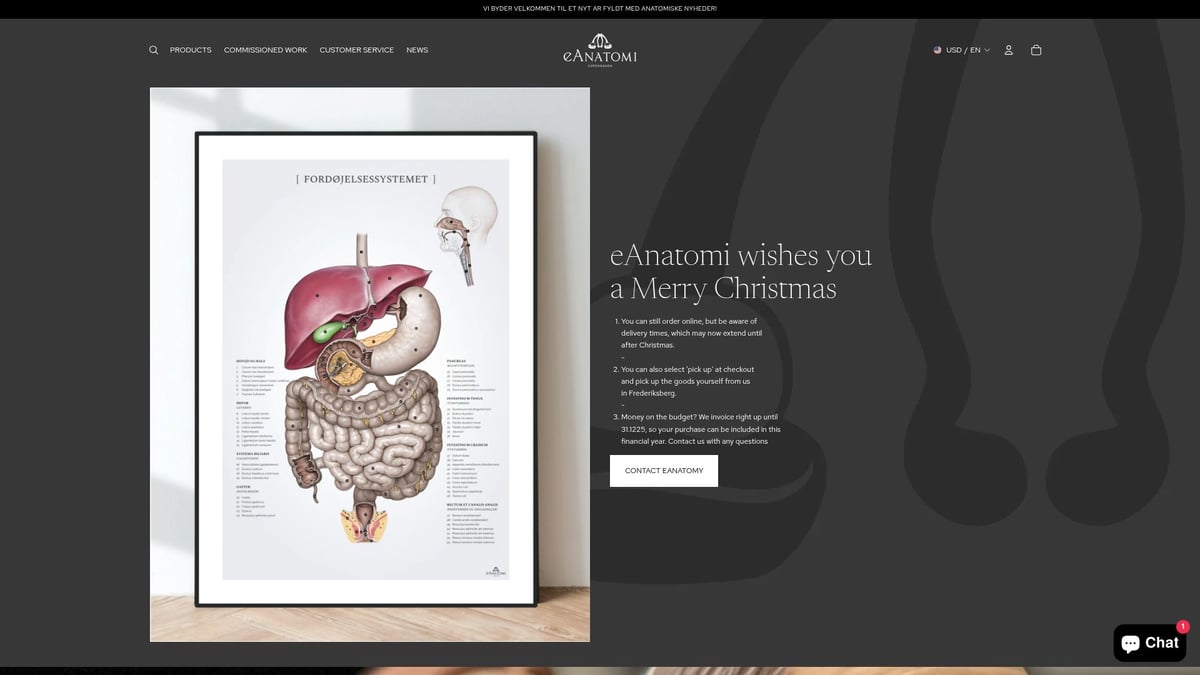
eAnatomi offers a wide selection developed with professionals, ensuring quality and up-to-date illustrations. By actively integrating these tools into your study plan, you will strengthen both understanding and confidence leading up to the exam.
Now that you have a thorough strategy for preparing for your anatomy exam as a veterinary student, you know how much of a difference the right resources can make. Anatomical models and posters help you translate theory into understanding and strengthen both your memory and exam confidence. If you want to supplement your curriculum with visual learning tools, you can find a wide selection developed in collaboration with professionals that are tailored to your specific studies.
Read more here Read more here
0 comments