





Draw for free products
All subscribers to our newsletter are entered into draws for free products. Sign up today to participate!

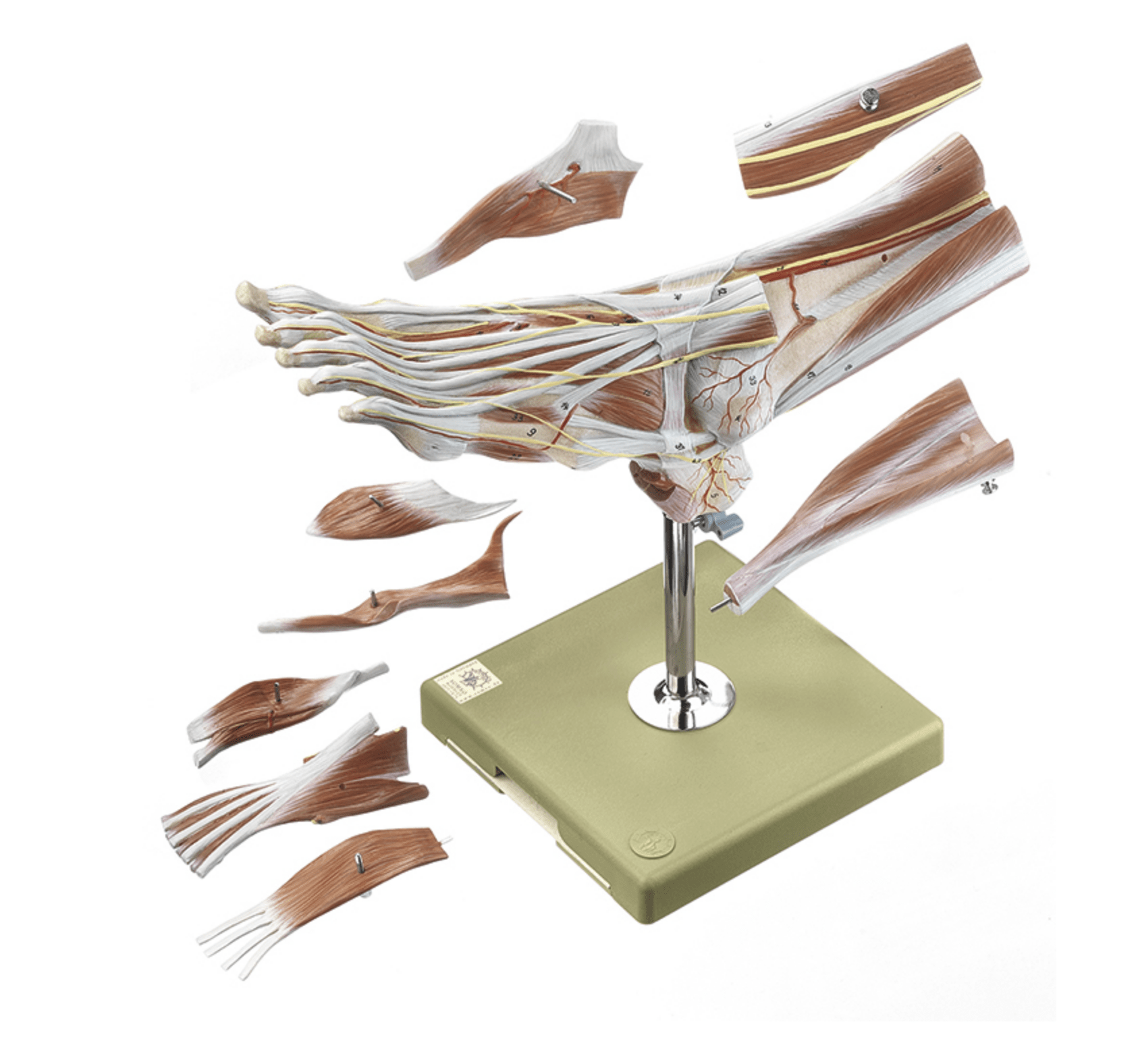
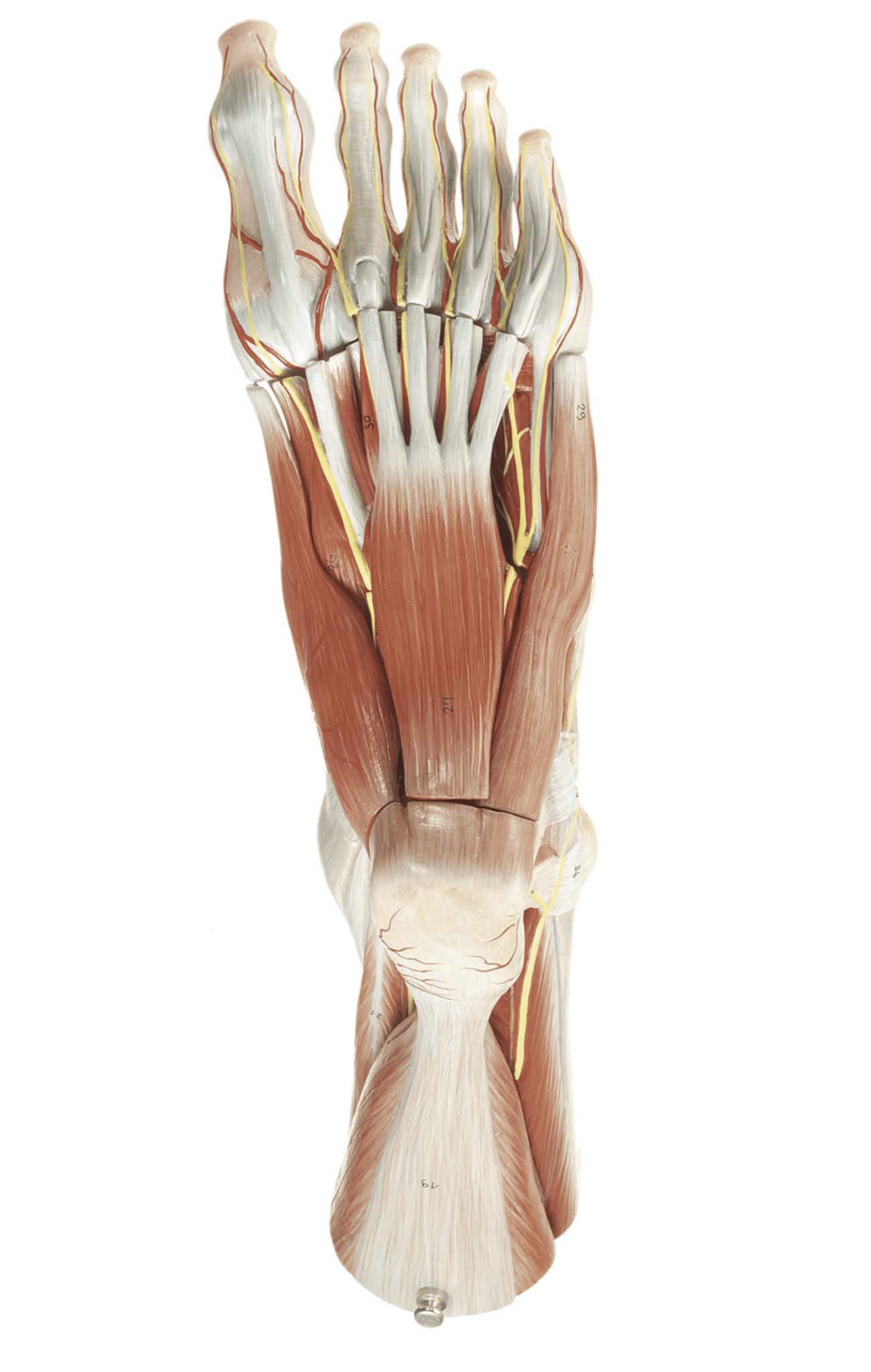
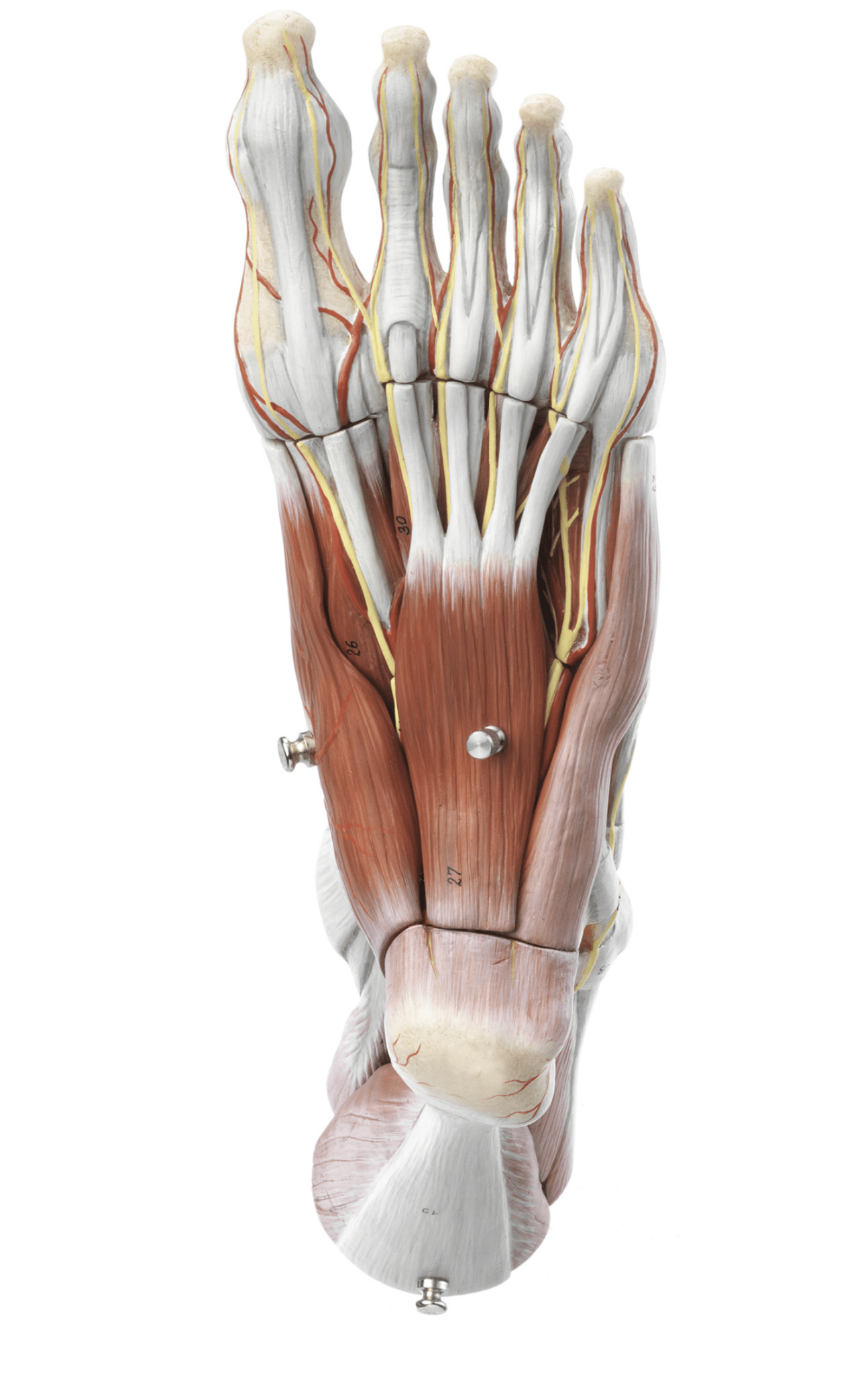
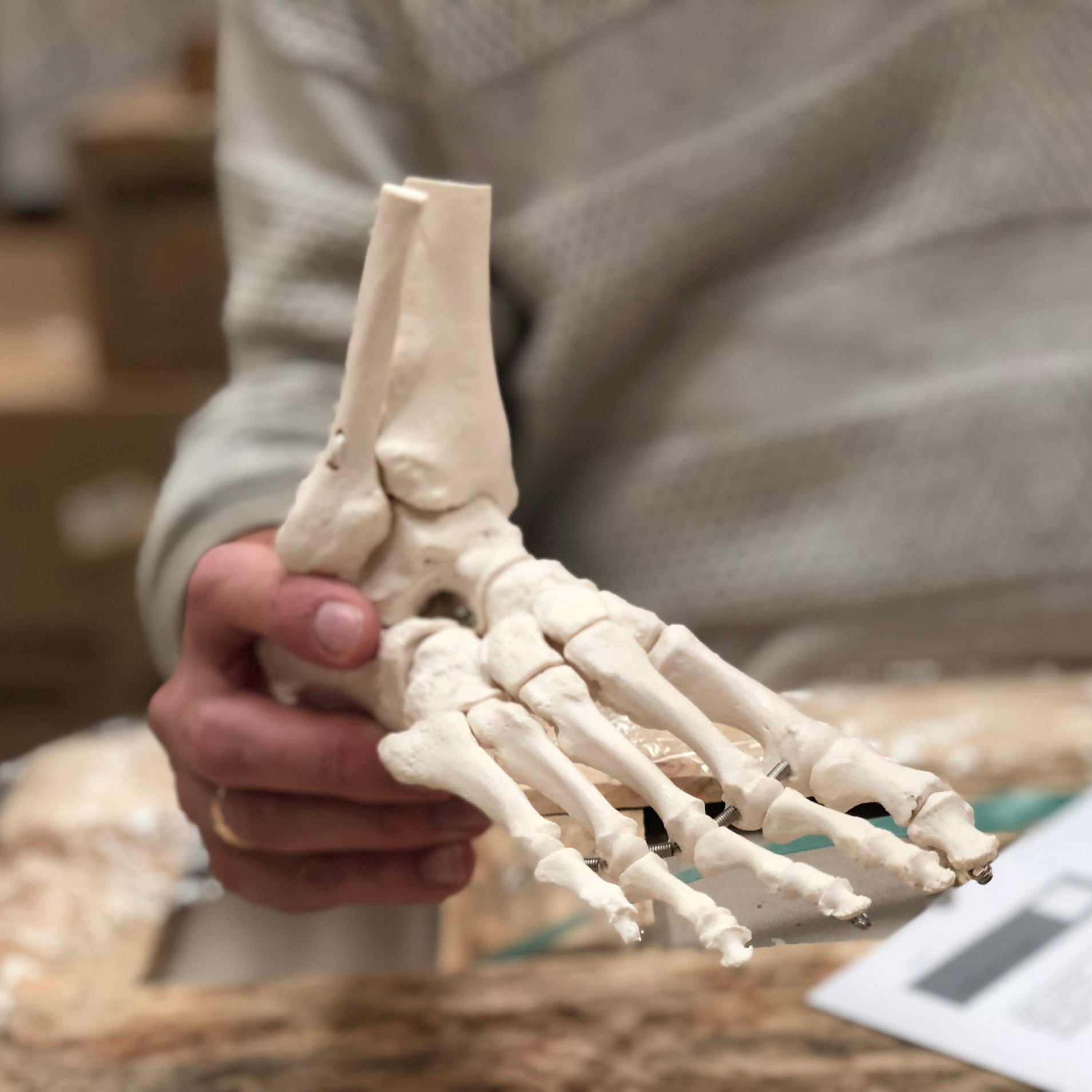
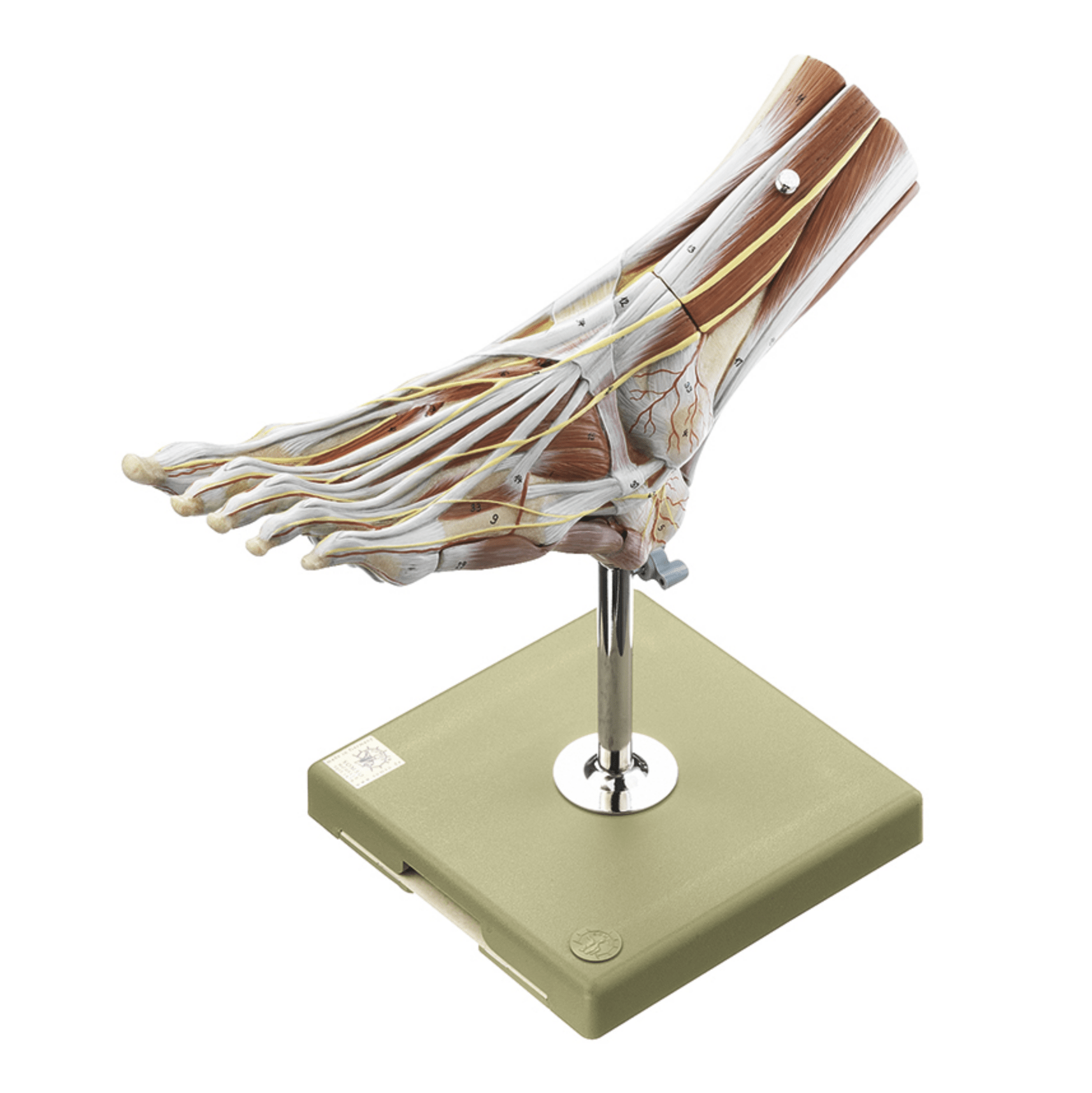
Lifelike foot, anatomical model in 8 parts
 SOMSO Models - made to order
SOMSO Modelle is a German manufacturer with over 100 years of history, producing world-class models. SOMSO Modelle are used at the finest universities worldwide. Models are made to order only.
Ordering - when you order SOMSO Modelle, the order is binding and the right of cancellation does not apply.
Delivery - for the most common models, delivery time is usually between 3-6 months. Special models can have up to 12 months delivery time, the factory provides delivery time upon non-binding inquiry or binding order. If you would like more information before ordering, please feel free to contact us.
Payment - when paying by credit card, payment is debited immediately. When paying by EAN, an invoice is sent immediately after ordering with a 30-day payment deadline regardless of delivery time.
Pickup currently not available
The model is produced in SOMSO plastic by the manufacturer SOMSO, which is world-renowned for very high quality. This means quality materials, a sense of accuracy and longevity. Do you therefore want a foot model that visualizes virtually everything from bones, muscles, vessels and nerves and even includes a significant part of the lower leg and must be the best of the best? Then this is the model you are looking for.
Important anatomical structures on the foot model are numbered and named in the accompanying booklet on e.g. English, German and Latin.
The model is produced in natural size. It weighs 1.1 kg and the dimensions are 18 x 33 x 18 cm (length x width x height).
CUSTOMER SERVICE
If the product is listed as an order item, it means that the product is of a size or quality level so high that it is only sourced upon order. Delivery time may vary, but the price will always remain the same! Contact us for more information if you wish to order.
If the item is indicated as in stock, it is physically located at our address in Frederiksberg and can therefore be dispatched or collected. Please select your preference when ordering.
If you wish to collect the item, this can often be done immediately after ordering, but must be arranged with us. If you wish for dispatch, this will be done via PostNord, often on the same day the order is received.
If the item is indicated as 'shipped directly from the factory', the delivery time is usually 2-5 business days, but depends on the factory's stock status. If you would like more precise information, you can always contact us before ordering.
 Facts about eAnatomi
All subscribers to our newsletter are entered into draws for free products. Sign up today to participate!