

The veterinary industry faces significant demands for innovation and learning in 2026. New technologies and increasing complexity necessitate new solutions to ensure quality and safety in practice.
This article is created for those who want a solid foundation for selecting and using the right veterinary model. Whether you are a veterinarian, veterinary student, clinic owner, or educator, here you will find concrete steps to success.
You will get an overview of selecting, implementing, and troubleshooting models, as well as insights into the latest trends. Learn how a veterinary model can strengthen both teaching and clinical work, preparing you for future challenges.
What is a veterinary model? Understanding the basics
In recent years, veterinary models have gained a central role in both education and clinical practice. To understand how a veterinary model can enhance learning and treatment, it is important to know the different types, advantages, and challenges associated with their use.
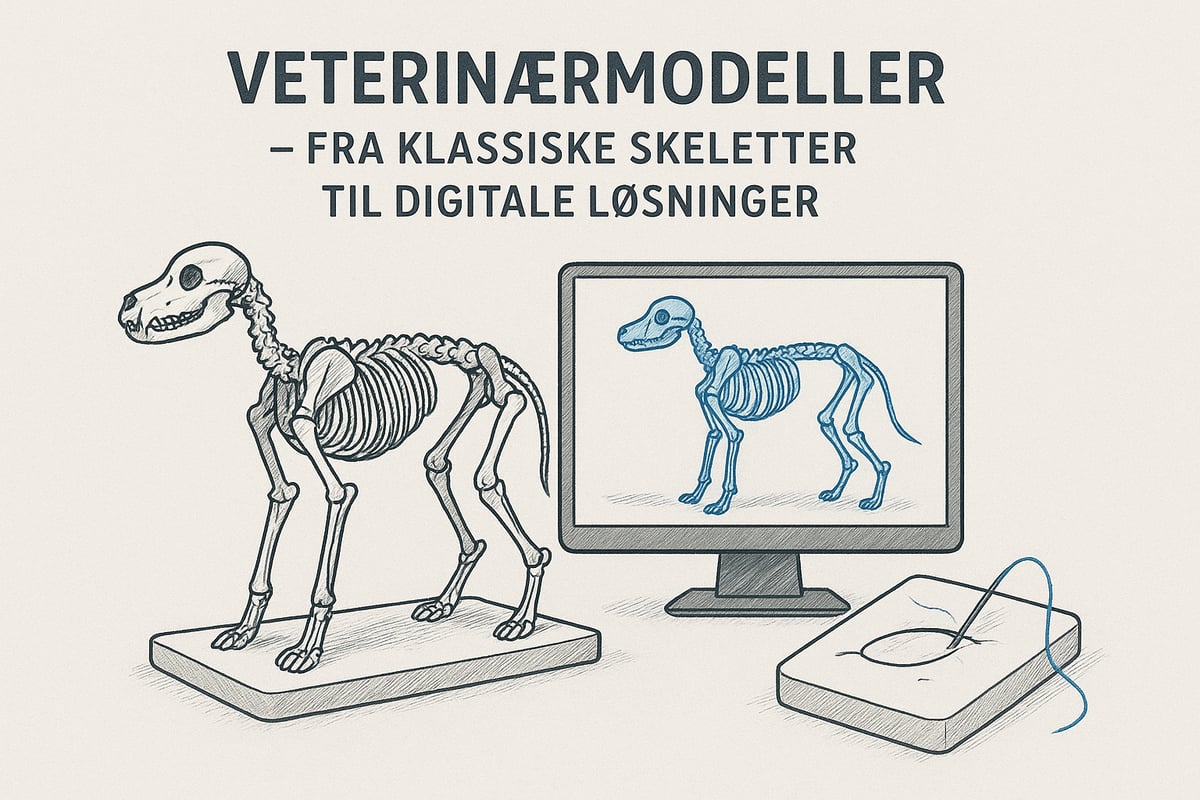
Definition and types of veterinary models
A veterinary model is a physical or digital tool used to illustrate anatomy, train clinical skills, or improve client communication. Physical models range from classic skeleton models and organ models to advanced skill trainers that simulate surgical procedures. Digital veterinary models are often used as interactive 3D platforms or in augmented reality, allowing the user to explore anatomy virtually.
Veterinary models are widely used in educational settings, clinical training, and client presentations. According to a competitor analysis, 65 percent of veterinary education programs use physical models in daily teaching. For a broader overview of the different types, you can visit Veterinary Models and Anatomical Collections, where you will find a wide selection.
Benefits of using veterinary models
The use of a veterinary model in teaching and practice offers several clear advantages. First and foremost, it improves the understanding of animal anatomy, as complex structures can be visualized and handled in practice. This strengthens both theoretical and practical learning.
Veterinary models contribute to increased precision in clinical skills. Students and staff can practice procedures, such as injections or suturing, without risk to live animals. Furthermore, a veterinary model enhances communication with clients, as it becomes easier to explain diagnoses and treatments visually.
In Denmark, the integration of veterinary models into veterinary education has led to documented improvements. A concrete example is their use in clinical training courses, where both learning outcomes and self-confidence among students have significantly increased.
Challenges and limitations
Despite the many benefits, implementing a veterinary model can present challenges. Advanced models can involve significant costs, both for acquisition and ongoing maintenance. Careful planning is required to ensure that the models remain up-to-date and in good condition.
Maintenance and updating of veterinary models can also be resource-intensive. Some models require special cleaning or storage, which can put pressure on a clinic's resources. Finally, there is limited availability of models for rarer animal species, which can hinder specialized training.
It is therefore important to weigh the benefits and challenges when choosing to invest in veterinary models, so they best fit the needs of the clinic or educational institution.
How to choose the right veterinary model: A step-by-step guide
Finding the optimal veterinary model requires a systematic approach. Whether you work in a clinic, teach students, or plan to expand your practice, it's important to follow a step-by-step process. This guide will help you make informed choices, so you get the most out of your investment in a veterinary model.
Step 1: Identify your needs
Start by analyzing why you need a veterinary model. Is the goal teaching, clinical training, or client communication? Consider which animal species need to be covered and how detailed the model should be. Some models are best suited for basic anatomy, while others are developed for advanced procedures.
Ask yourself:
- Should the model be used by students or experienced professionals?
- Is there a need to demonstrate specific diseases or conditions?
- How often will the model be used in practice?
By precisely defining your needs, you ensure that the veterinary model you choose matches your goals and daily use.
Step 2: Research market options
Once your needs are identified, you should research the market for veterinary models. The market offers many brands and suppliers that provide models in materials such as plastic, silicone, and 3D print. Prices vary significantly, so it is important to weigh the investment against the expected benefits.
Here is a table comparing the most commonly used materials:
| Material | Advantages | Disadvantages |
|---|---|---|
| Plastic | Inexpensive, lightweight, durable | Less realistic |
| Silicone | Realistic, flexible | More expensive, requires care |
| 3D Print | Customized, detailed | Can be fragile |
You can find a wide selection of veterinary models for teaching and training, making it easier to compare options and choose the right product.
Step 3: Evaluate quality and usability
The next step is to assess the quality of the veterinary model you are considering. Check its durability, realism, and any interactive features. Read reviews from other veterinary professionals to gain insight into practical use.
Consider the following:
- How lifelike is the model?
- Is it easy to clean and maintain?
- Does the manufacturer offer support or warranty?
A high-quality veterinary model not only provides better learning but also saves time and resources in the long run.
Step 4: Consider future-proofing and update options
Technology is evolving rapidly, so consider whether your veterinary model can adapt to future needs. Modular models make it easy to add or replace parts as new teaching methods or procedures emerge.
Also, check if the supplier offers updates, spare parts, or extended support agreements. A future-proof veterinary model protects your investment, so you don't have to replace the entire model when new requirements arise.
Step 5: Purchase decision and negotiation
Once you have found the right veterinary model, it's time to make the final decision. Negotiate prices and service agreements with the supplier to achieve the best solution. Remember to obtain quotes from several providers and inquire about any discounts for larger purchases.
Examples from Danish clinics show that thorough negotiation often leads to better terms, both in price and maintenance. Document agreements in writing to ensure that your veterinary model meets your expectations and needs.
Implementing veterinary models in practice and teaching
Effective implementation of a veterinary model in both practice and teaching requires a strategic approach. Many clinics and educational institutions find that proper integration creates great value for learning, training, and patient communication. To optimize the use of a veterinary model, one should follow a structured process where the entire team is involved and resources are utilized most effectively.
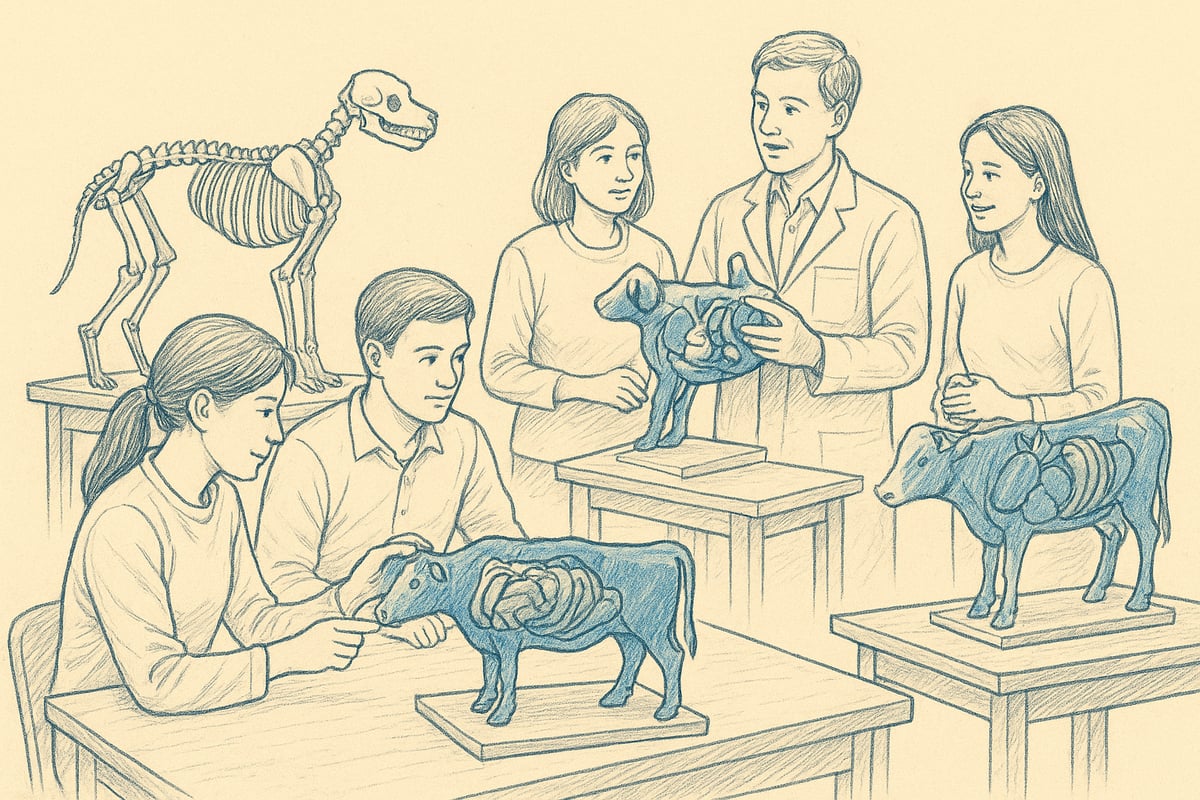
Planning and integration into daily life
Planning begins by identifying how the veterinary model can best support learning objectives and clinical procedures. Curricula should be adjusted so that relevant models are included in lessons and practical courses. Clinics can benefit from including the veterinary model in daily routines, for example, by allowing staff to practice procedures on models before performing them on patients.
To ensure maximum benefit from the veterinary model, it is crucial to involve the entire team. Hold regular meetings where experiences and suggestions for improvement are discussed. Designate individuals responsible for maintenance and updates so that models are always ready for use.
Structured integration promotes both learning and clinical safety. By making the veterinary model a natural part of everyday life, both professionalism and collaboration are strengthened.
Practical examples of use
The veterinary model has many applications in practice and teaching. Clinics often use models to simulate surgical procedures, allowing both experienced and new veterinarians to practice techniques without risk to animals. This strengthens skills and provides greater confidence in stressful situations.
In consultations, the veterinary model serves as a powerful tool for client education. By showing organs or disease progression on a physical model, understanding increases, and the client feels more involved in the treatment. Students and new staff also get the opportunity to practice on models, making the transition to clinical work smoother.
Furthermore, the veterinary model is often used to visualize complex anatomical relationships, which facilitates both teaching and daily practice.
Evaluation and continuous optimization
To ensure continued benefit from the veterinary model, feedback from users should be collected regularly. This can be done through short questionnaires or evaluation meetings where experiences and ideas for improvement are shared. Adjustments to teaching methods and training courses should be made based on this feedback, so the models are used most effectively.
The effect of the veterinary model can be measured by comparing learning outcomes and patient results before and after implementation. Statistics show that 78% experience improved learning when models are integrated systematically. Continuous evaluation ensures that both teaching and clinics evolve in line with new needs.
Challenges and solutions in implementation
Implementing a veterinary model can meet resistance, especially if the team is unfamiliar with new methods. It is important to address concerns openly and offer training so that everyone feels comfortable. Resource management and time consumption must be balanced so that models do not become a burden in everyday life.
A Danish clinic experienced significantly increased efficiency after a targeted effort to integrate the veterinary model. By sharing success stories and solutions to challenges, more people are motivated to use models. More good advice and insights on quality assurance and clinical training can be found in the article Ensuring the Quality of Veterinary Education, which highlights current experiences from the industry.
By working systematically with the veterinary model, both teaching and clinics can achieve better results and more engaged employees.
Troubleshooting and maintenance of veterinary models
Effective troubleshooting and maintenance are crucial to ensure that any veterinary model remains functional and realistic over time. Whether you work in a clinic or teach, it is important to constantly monitor the model's condition to extend its lifespan and avoid unforeseen problems.
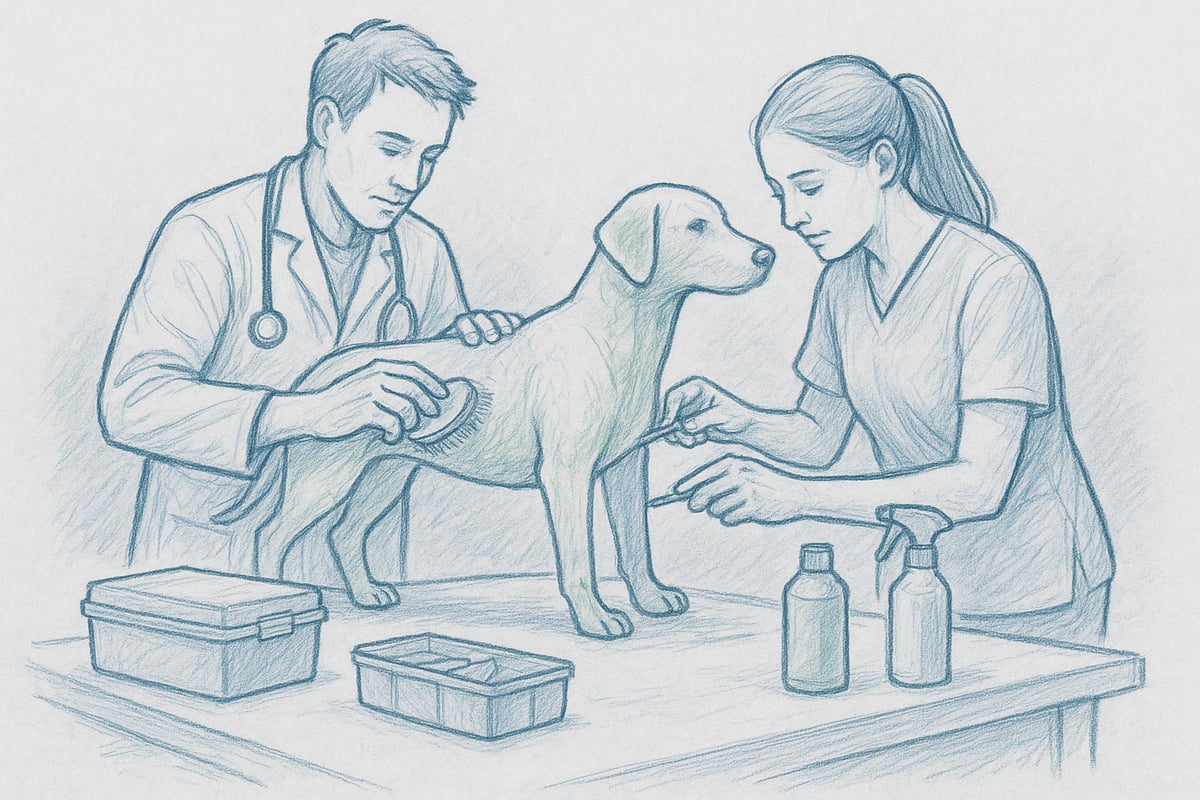
Typical problems and their solutions
Even the best veterinary model can experience wear and tear or damage over time. Common problems include cracks, loose joints, or discoloration, especially with frequent use in teaching or training. A quick inspection after each use can reveal initial damage.
- Cracks in plastic or silicone should be repaired with suitable adhesive products.
- Loose joints can often be tightened or replaced.
- Surface stains are best removed with mild cleaning agents.
Storage is also important. If a veterinary model is stored in damp or dusty environments, the material can be damaged. Regular cleaning and proper storage significantly extend the model's lifespan.
Maintenance routines
A regular maintenance routine makes it easier to preserve the quality of any veterinary model. Start by wiping the model after use and only use recommended cleaning agents suitable for the material. Silicone and plastic models often require different products.
Store the models in closed containers or on shelves where they are not exposed to direct sunlight or large temperature fluctuations. For more detailed instructions, you can find a guide to model maintenance, which provides an overview of the best cleaning and storage methods.
By following these routines, you ensure that your veterinary model remains in optimal condition and is always ready for use.
When it's time to upgrade or replace
Even with thorough maintenance, a veterinary model will eventually become obsolete or inadequate. Signs that it's time to upgrade may include frequent repairs, loss of realism, or lack of functionality for new teaching needs.
Consider replacing the model if it no longer meets the requirements you place on teaching or clinical training. Many suppliers now offer reusable or environmentally friendly alternatives, allowing you to consider sustainability when choosing a new veterinary model.
Upgrading ensures that you always work with the best possible equipment for the benefit of both learning and clinical practice.
Examples of maintenance successes
Several Danish clinics and educational institutions have had great success in extending the lifespan of their veterinary models through systematic maintenance. One example is a clinic that has used the same model for over five years by following fixed cleaning and storage routines.
Common to the most durable models is that they are regularly maintained, and users are instructed in correct handling. This provides both economic and pedagogical advantages, as a well-maintained veterinary model further improves training quality.
By learning from these experiences, you can ensure that your investment lasts as long as possible.
Future veterinary models: Trends and technological advancements towards 2026
The veterinary industry is facing a new era where the development of veterinary models is accelerating significantly. New materials, digital solutions, and sustainable initiatives are shaping the way we teach, train, and communicate. To stay up-to-date with the latest trends, it is advisable to follow Trends and News on Veterinary Equipment, where the latest technological advancements are presented.
New materials and technologies
The development of materials is progressing rapidly, and 3D-printed veterinary model solutions are gaining traction. These models can be precisely adapted to different animal species and clinical needs. Biocompatible materials allow for more realistic training and make it easier to simulate surgical procedures.
At the same time, we are seeing an increasing integration of AR and VR in veterinary training. With these technologies, students and veterinarians can practice procedures in safe, virtual environments. This opens the door for more advanced simulation scenarios where errors can be analyzed and learning optimized.
Digitalization and e-learning
The digital transformation of the veterinary model market means that virtual models and interactive platforms are becoming increasingly widespread. With VR headsets, users can navigate a digital animal body and practice procedures without using physical resources. Statistics show that 55% of veterinary education programs expect increased use of VR models by 2026.
E-learning makes it possible to tailor teaching individually, and virtual cases can be shared globally. This provides both clinics and educational institutions with a flexible and cost-effective approach to training and continuing education.
Sustainability and environmental considerations
Sustainability is gaining ground, also when it comes to veterinary model solutions. More manufacturers are focusing on recyclable and biodegradable materials, which reduces environmental impact. Green initiatives in production, such as plastic reduction and the use of natural pigments, help make future models more environmentally friendly.
At the same time, the industry is working to extend the lifespan of existing models through smarter maintenance and upgrade options. This reduces waste and ensures responsible use of resources in clinics and educational institutions.
Expected changes in demand and application
Demand for veterinary model solutions for specialized animal species is expected to increase. More clinics want models that can cover exotic animals or advanced medical procedures. In addition, there is an increased focus on client education, where models are used to explain treatments and diagnoses to pet owners.
This development creates new opportunities for both manufacturers and users, as it allows for more tailored and relevant training tools. It also strengthens communication between veterinarians and clients, contributing to better treatment outcomes.
International perspectives and collaboration
Internationally, the differences in the use of veterinary models are significant. Denmark is a leader in several areas, especially in clinical education and the implementation of new technology. At the same time, we see global innovation projects where experiences and solutions are shared across national borders.
Collaboration between universities, manufacturers, and clinics is crucial to ensure that the latest trends can be quickly translated into practice. This knowledge sharing contributes to a more efficient and future-proof veterinary industry, where both professionals and students have access to the most advanced tools.
Frequently asked questions about veterinary models
When you consider using a veterinary model in your practice or teaching, many questions often arise. Here, the most frequently asked questions are answered to help you make informed choices and optimize the use of veterinary models in everyday life.
What types of veterinary models are best for teaching?
The choice depends on the purpose. For basic anatomy, skeletal and organ models are recommended, while skill trainers are ideal for practical exercises. Digital veterinary models are gaining ground, especially in combination with physical models. Many veterinary education programs, such as the Veterinary Medicine Master's program, use a variation of both types to enhance learning outcomes.
How do you assess the quality of a veterinary model?
Quality is assessed based on realism, material selection, and durability. Check if the veterinary model has lifelike details, can withstand repeated use, and if there are user reviews. Models with interactive elements often provide more engaging teaching. Also, ask colleagues about their experiences with specific brands.
What costs should one expect?
The price of a veterinary model varies greatly. Simple plastic equipment can cost a few thousand Danish kroner, while advanced surgical simulators can easily exceed 20,000 Danish kroner. Always consider the return on investment in relation to teaching goals and clinical needs. Remember that quality often pays off in the long run through extended lifespan.
Can veterinary models be used for all animal species?
Most models are designed for dogs, cats, and horses. The market for less common species is limited, but specialized suppliers can often produce models as needed. However, digital veterinary models offer greater flexibility, as they can be more easily adapted to different species and specialized areas.
How often should models be maintained or replaced?
Maintenance depends on usage and materials. Clean and check models regularly for wear and tear. Silicone and plastic require different care. Replace a veterinary model when it shows signs of significant wear, or when updated versions offer better learning opportunities.
How can models be integrated into the clinic's daily routine?
Veterinary models can be used for client communication, staff training, and continuing education. Many clinics incorporate models into consultations to visualize diagnoses and treatments. Specialized courses, such as Specialized Veterinary Nurse in Clinical Nutrition, demonstrate how models can enhance both learning and patient understanding.
What are the latest trends in veterinary models?
3D printing, AR/VR, and biodegradable materials are the most significant trends. Virtual veterinary models are gaining traction in both education and clinical training. There is also an increasing focus on sustainability and specialized models for exotic animals. Staying up-to-date with developments ensures that your veterinary model remains relevant and effective.
When we look at how best to select and implement veterinary models, it becomes clear what a big difference the right choice can make for learning, training, and client communication. Whether you are a veterinarian, an educator, or a clinic owner, it is important to stay updated on the latest trends and solutions so that you can optimize both practice and education towards 2026. If you want to delve even deeper into the possibilities available in the market and find the models that suit your specific needs, you can Read more here.
0 comments