

Did you know that the heart pumps around 2.5 million liters of blood through the body every year? This is just one example of the heart's central importance to our health. The purpose of this article is to give you a clear, updated, and easy-to-understand explanation of how the heart works in 2026.
You will gain insight into the heart's anatomy, circulatory system, electrical system, common diseases, the latest research, and practical examples. Are you curious to understand how this vital organ works? Read on and learn more about the fascinating functions of the heart.
Heart Anatomy: Structure and Function
The heart is a fascinating organ whose complex structure allows it to supply the entire body with blood. To understand how the heart works, we need to look more closely at its structure, chambers, and blood supply. A thorough review of anatomy and function provides important insights into why the heart is so central to our health.
The heart's four chambers and their roles
The heart consists of four chambers: two atria at the top and two ventricles at the bottom. The right atrium receives deoxygenated blood from the body, which is then directed to the right ventricle. This chamber pumps the blood to the lungs, where it picks up oxygen. The left atrium receives oxygenated blood from the lungs and sends it to the left ventricle, which pumps the blood out to the rest of the body. When we examine how the heart works, it is clear that each chamber plays a crucial role in the blood's journey, ensuring that oxygen and nutrients reach all cells.
| Chamber | Function |
|---|---|
| Right atrium | Receives deoxygenated blood from the body |
| Right ventricle | Pumps blood to the lungs |
| Left atrium | Receives oxygenated blood from the lungs |
| Left ventricle | Pumps blood to the body |
The importance of heart valves
Four heart valves control the direction of blood flow: the mitral valve, tricuspid valve, aortic valve, and pulmonary valve. These valves open and close precisely to prevent backflow of blood. For example, the mitral valve ensures that blood flows only from the left atrium to the left ventricle. When we ask how the heart works optimally, it is clear that the valves' ability to keep blood flowing in the correct direction is crucial for efficient circulation. Valve defects can lead to leaks or blockages, which can strain the heart.
The heart's walls and layers
The heart wall consists of three layers: the endocardium (innermost), myocardium (middle), and pericardium (outermost). The endocardium protects the inside of the chambers, while the myocardium, which is the thickest layer, is responsible for the pumping action itself. The pericardium surrounds the heart and reduces friction against other organs. To understand how the heart works, it is crucial to know that the strong myocardium enables the powerful contractions necessary to pump blood throughout the circulatory system. The myocardium is significantly thicker in the left ventricle, as it needs to generate greater pressure.
Coronary arteries and blood supply
Although the heart pumps blood to the entire body, it also needs its own blood supply. The coronary arteries supply the heart muscle with oxygen and nutrients. If these arteries are blocked, it can lead to blood clots and damage to the heart muscle. When examining how the heart works, it is important to understand the role of the coronary arteries. If the blood supply fails, there is a risk of serious problems such as heart attacks. You can read more about heart anatomy and see illustrative models on Heart Model and Anatomy.
Relationship between structure and function
The heart's structure is closely adapted to its function as the body's pump. The four chambers, valves, and strong walls work together to ensure a unidirectional, rhythmic blood flow. When we ask how the heart works, we see that precisely this advanced structure enables continuous and efficient blood circulation. Every part of the heart contributes to the blood reaching even the smallest blood vessels and ensuring the body's survival.
The Circulatory System: The Blood's Journey Through the Body
The circulatory system constitutes the heart's most important area of work. It ensures that blood transports oxygen, nutrients, and waste products to and from the body's cells. To understand how the heart works, it is crucial to know the blood's journey through the body and the interaction between the different circulatory systems.
The pulmonary and systemic circulation
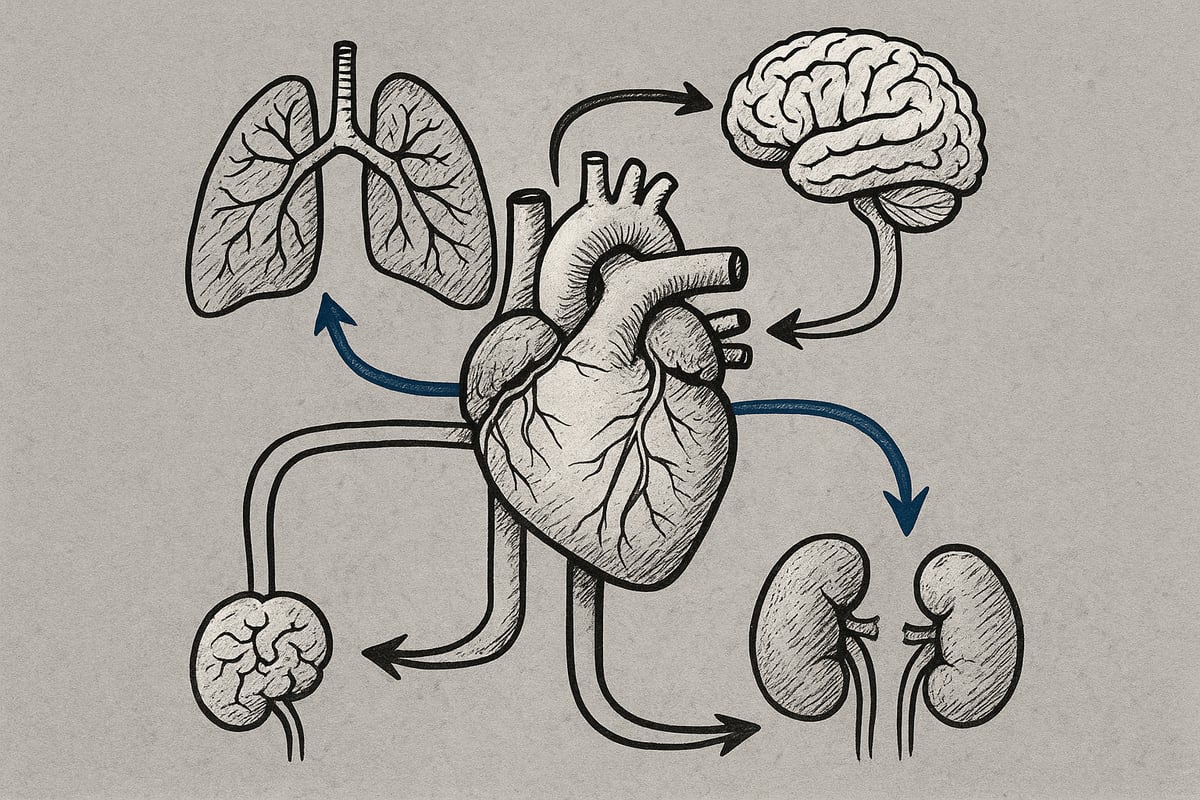
The circulatory system consists of two main parts: the pulmonary (small) and systemic (large) circulation. The pulmonary circulation sends blood from the heart to the lungs, where it picks up oxygen and releases carbon dioxide. The blood then returns to the heart and is pumped into the systemic circulation, which supplies the entire body with oxygen and nutrients.
To understand how the heart works in practice, you can follow the blood's path: From the right side of the heart, blood is pumped to the lungs, and from the left side of the heart, oxygenated blood is sent out to the body. A poster about the circulatory system can be an effective visual tool to illustrate this process.
Transport of oxygen and nutrients
One of the heart's most important functions is to ensure the transport of oxygen and nutrients to the body's cells. As blood passes through the lungs, it picks up oxygen, which binds to red blood cells. This oxygenated blood is then carried to the tissues via the arteries.
Along the way, the blood releases oxygen and picks up waste products such as carbon dioxide, which are carried back to the heart and then to the lungs. Statistics show that about 5 liters of blood are pumped around the body every minute in an adult. This efficient transport explains how the heart functions as the body's engine and lifeblood.
Cardiac cycle and blood pressure
The cardiac cycle consists of two phases: systole and diastole. During systole, the heart muscle contracts and pushes blood into the circulatory system. In diastole, the heart relaxes, and the chambers fill with new blood. This rhythmic work creates the blood pressure that we can measure in the body.
Blood pressure depends on both the heart's pumping power and the resistance of the blood vessels. To understand how the heart works in relation to blood pressure, one can compare it to a pump that constantly adjusts the pressure to meet the body's needs.
Interaction with other organs
The circulatory system works closely with other organs to maintain the body's balance. The kidneys regulate the blood's fluid and salt content, which greatly affects blood pressure. The brain relies on a constant blood supply to function optimally.
If blood flow fails, it can have serious consequences for both the brain and kidneys. Therefore, it is crucial to understand how the heart works in conjunction with the rest of the body and why a healthy circulatory system is vital for health.
The Heart's Electrical System: How the Heart Beats
The heart's electrical system is the foundation of how the heart works. Without the electrical impulses, the heart would not be able to beat rhythmically and efficiently. This system controls the contraction of the heart muscles and ensures that blood is pumped correctly throughout the body. To understand how the heart works, it is crucial to know the central components of the electrical system. Let's take a closer look at how the signal originates, propagates, and can be measured.
The sinus node and the electrical signal
The sinus node is the heart's natural pacemaker and determines how the heart works from the very first beat. It is located in the right atrium and initiates each heartbeat by sending an electrical signal. This signal causes the atria to contract and send blood into the ventricles.
When the sinus node emits the impulse, it spreads rapidly through the atria. This process ensures that blood effectively moves from the atria to the ventricles. Without this coordinated electrical activity, the heart would not be able to work synchronously, which is crucial for how the heart works optimally.
The AV node and His bundle
After the signal reaches the atria, it arrives at the AV node. Here, the signal is briefly delayed, allowing the ventricles time to fill with blood. This delay is essential for how the heart works, as it ensures efficient pumping function.
From the AV node, the signal is conducted further through the His bundle and into the ventricular musculature. This guidance ensures that the ventricles contract at the right time and send blood to the lungs and body. The interplay between the AV node and the His bundle emphasizes how precisely and coordinately the heart works.
ECG and heart rhythm measurement
To understand how the heart works electrically, an electrocardiogram (ECG) is often used. The ECG measures the electrical signals flowing through the heart and provides an image of the heart's rhythm and any disturbances. Approximately 1.5 million Danes undergo an ECG each year, which highlights the importance of this method.
By analyzing the ECG, doctors can identify irregularities in heart rhythm and assess how the heart works in practice. If you want to delve deeper into the details, you can read more at The Heart's Electrical System, where the process is thoroughly described.
Cardiac arrhythmias and electrical disturbances
When errors occur in the electrical system, it directly affects how the heart works. Arrhythmias such as atrial fibrillation or ventricular fibrillation occur when the signal does not follow the normal path. This can lead to inefficient pumping and, in severe cases, life-threatening conditions.
Correct electrical conduction is therefore essential for how the heart works daily. By understanding electrical disturbances, both patients and healthcare professionals can better prevent and treat heart rhythm problems. Healthy electrical function is key to a well-functioning heart.
Modern Heart Research and Technology in 2026
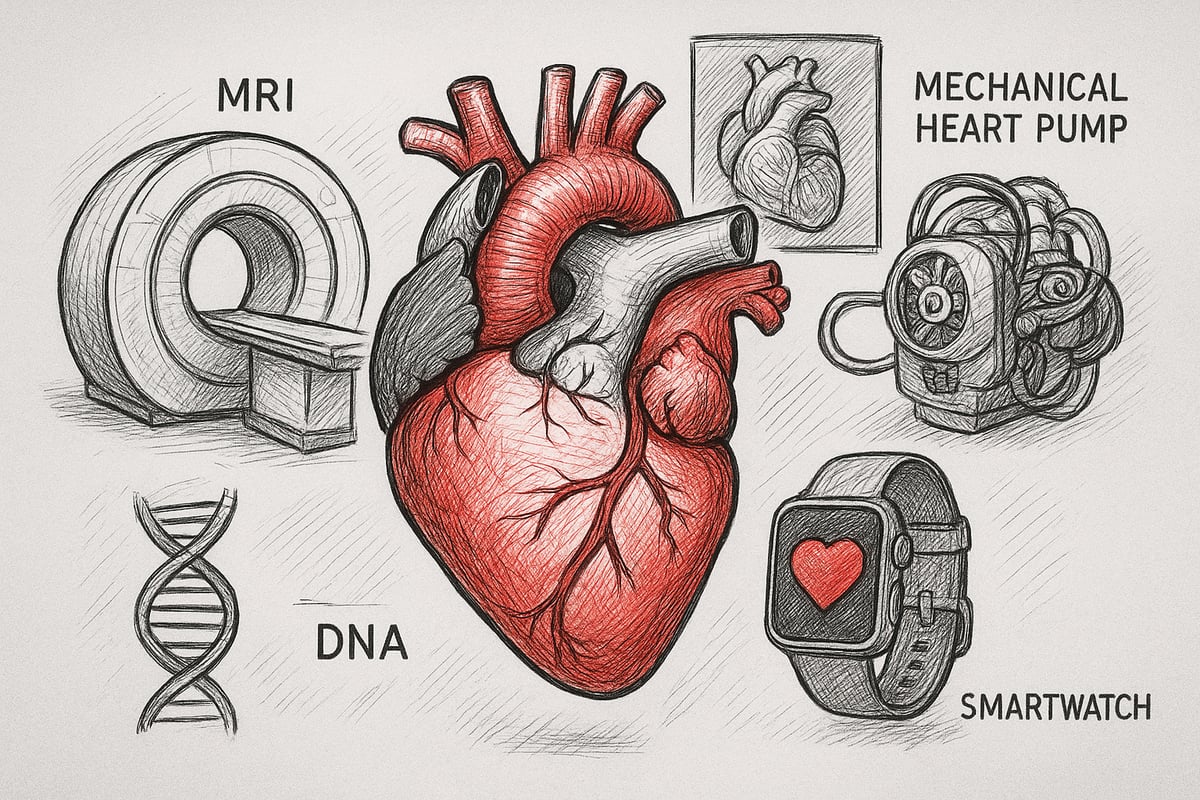
The heart is at the center of rapid technological development. In 2026, the field is characterized by advanced imaging techniques, groundbreaking medical devices, genetic precision, and digital solutions. When we ask how the heart works, the answer today is closely linked to these new possibilities. Here you will find an updated overview of the most important technological advancements.
New diagnostic imaging techniques
In diagnostic imaging, MRI and 3D-CT scans have revolutionized the way we investigate how the heart works. These techniques provide detailed images of both structure and function, making it possible to detect diseases much earlier.
3D imaging technology can now visualize heart chambers and valves in real time. Statistics show that 3D technology reduces the time it takes to make a diagnosis by up to 40 percent. This gives doctors better opportunities for quick and accurate treatment.
Table: Comparison of diagnostic imaging methods
| Technique | Advantage | Typical application |
|---|---|---|
| MRI | No radiation | Structure and tissue analysis |
| 3D-CT | Fast scanning | Valve and vessel examinations |
By understanding how the heart works through these images, both patients and doctors gain a stronger basis for treatment.
Artificial hearts and advanced pacemakers
The development of mechanical heart pumps and wireless pacemakers has opened up new possibilities for patients with serious heart conditions. Modern heart pumps can take over large parts of the heart's pumping function, while advanced pacemakers ensure a stable rhythm without the need for wires in the blood vessels.
For example, a wireless pacemaker can be inserted through a small incision, minimizing the risk of infection. For those who need full support, an artificial heart can temporarily take over the entire pumping function.
These technologies fundamentally change how the heart works for patients who previously had few treatment options.
Genetic research and precision medicine
Genetic research has made it possible to predict and tailor the treatment of heart diseases. With genetic tests, hereditary risks can be identified before symptoms appear. Statistics show that 20 percent more patients receive genetic screening today compared to 2020.
Precision medicine means that treatment is tailored to the individual's genetic profile. This increases the chances of preventing complications and optimizing results.
A particular focus area is the difference between men and women, where Research into women's hearts highlights the necessity of targeted studies. All of this contributes to a deeper understanding of how the heart works in different population groups.
Digital health and wearables
Smartwatches and health apps have made it possible to monitor heart rate and activity in everyday life. Over 300,000 Danes today use wearables to monitor their hearts, which provides unique insight into how the heart works outside the clinic.
Apps can warn of irregularities, and data is quickly shared with healthcare professionals. The list of popular features includes:
- Real-time heart rate monitoring
- ECG functions on the wrist
- Sleep and activity tracking
These digital solutions make it easier to detect problems early and take responsibility for one's own health.
Perspectives for future treatment
The future of how the heart works holds enormous possibilities with artificial intelligence and telemedicine. AI can analyze large amounts of data and predict risks, while telemedicine enables remote monitoring and treatment, regardless of where the patient is located.
For example, AI can help doctors interpret ECGs or images faster and more accurately. Telemedicine allows patients to receive follow-up from home, increasing access to specialized treatment.
Together, these technologies mean that the understanding of how the heart works is becoming increasingly personal, precise, and accessible to everyone.
Common Heart Diseases and Prevention
Heart disease remains the most common cause of death in Denmark. Many Danes often ask how the heart works when disease strikes. To understand the risk, it is important to know both the causes, symptoms, prevention, and the latest treatment options.
Causes of heart disease
The causes of heart disease are often a combination of lifestyle and genetics. Smoking, unhealthy diet, and lack of exercise significantly increase the risk. Hereditary factors also play a role, especially if there is a history of heart disease in the family.
Statistics show that about one in four Danes die from cardiovascular diseases. Many wonder how the heart works under stress from these risk factors. Knowledge of one's own risks is the first step towards prevention.
Common heart diseases
The most common heart diseases include heart attack (myocardial infarction), heart failure, and heart valve diseases. Symptoms can vary, but typically include chest pain, shortness of breath, fatigue, and swollen legs.
When asked how the heart works in disease, the answer is that blood flow is impaired and the heart's pumping capacity is weakened. Untreated conditions can lead to serious complications such as cardiac arrest.
Prevention in practice
Prevention is crucial to maintaining a healthy heart. A varied diet, regular exercise, and quitting smoking are key elements. Early detection through blood pressure measurement and cholesterol checks is also important.
For those who want to know more about how the heart works and how to prevent diseases, the Heart Information Center offers comprehensive resources and guidance. Early treatment can save lives and significantly improve quality of life.
New treatment options in 2026
Modern treatment for heart disease has made great strides in 2026. New types of medication, minimally invasive surgeries, and telemedical follow-up provide better results and shorter hospital stays.
When doctors assess how the heart works after treatment, they often use advanced measurements and digital follow-up. Future treatments make it easier to live an active life despite heart disease.
The Heart in Practice: From Theory to Reality
How does the heart work when we go from theory to practice? It becomes clear when we look at how the heart responds in daily life, during physical activity, and at different life stages. To understand how the heart works optimally, we need to look at both physiological changes and practical measurements that show the heart's importance for our quality of life.
Heart function during physical activity
When you exercise, your heart works harder to deliver oxygen to your muscles. How does the heart function under stress? The heart increases both heart rate and stroke volume, so more blood is pumped throughout the body. The heart rate can increase from 60 to 180 beats per minute during intensive training. This allows the body to perform optimally because oxygen and nutrients quickly reach the tissues.
How else does the heart function when you start exercising after a long period of inactivity? The heart gradually adapts, improving both strength and efficiency, which can be measured by a lower resting heart rate and faster recovery.
The heart and stress
Psychological stress affects how the heart functions in everyday life. Under stress, adrenaline is released, causing heart rate and blood pressure to temporarily rise. Short-term stress can be harmless, but prolonged stress strains the heart and increases the risk of heart disease.
How does the heart function when we are under pressure? The heart works faster, and blood flow to muscles and the brain increases. This is the body's way of preparing for fight or flight, but it takes a toll if it persists.
The heart in children, adults, and the elderly
Age affects how the heart functions. In children, the heart beats faster, often between 90 and 130 beats per minute. Adults typically have a resting heart rate of 60-80, while the elderly may experience a lower heart rate and reduced pumping capacity.
How does the heart function throughout life? In children, the heart is more elastic and adapts quickly, while the elderly often have stiffer vessels and less efficient pumping ability. It is therefore important to adapt physical activity to age and fitness level.
Practical examples of heart measurements
To understand how the heart functions in practice, healthcare professionals use a range of measurements:
- Blood pressure: Measured with a cuff, shows the pressure in the arteries.
- Pulse: Counted manually or with a heart rate monitor.
- ECG: Records the heart's electrical activity.
If you want to learn more about these measurements and get guidance, you can visit Practical heart measurements, where you will find resources for both students and those interested in health.
The heart's importance for quality of life
A healthy heart is key to a good quality of life. How does the heart function when it is working well? You experience energy, mental clarity, and better physical performance. Conversely, reduced heart function can lead to fatigue, shortness of breath, and reduced joy of life.
How does the heart function in everyday life when you prioritize health? Small changes like exercise, a healthy diet, and stress management can strengthen the heart and significantly improve your daily life.
Educational resources and models for heart learning
To understand how the heart functions, visual and practical tools are indispensable. Anatomical models and posters are used in both teaching and patient guidance. They help to visualize the heart's location and function among the body's organs.
If you want to explore such models further, you can find inspiration at Anatomy model with organs, where the models provide a concrete picture of the heart in interaction with the rest of the body.
Once you understand the heart's structure, circulation, and electrical system, you gain a whole new perspective on how amazing the body works for you every day. Together, we have covered everything from the most important anatomical details to the latest technologies and research advancements shaping heart treatment today. If you want to delve even deeper into the fascinating world of the heart or need visual aids for teaching and communication, you can find both models and posters that make the complex simple.
Read more here
0 comments