

Discover how an anatomical model torso can transform your teaching and create new opportunities in 2025. Whether you teach biology, physiology, or health, this guide is designed to show you why an anatomical model torso has become an indispensable tool in modern education.
We review how to choose the right model, the educational benefits, practical uses, maintenance, the latest trends and give you specific buying advice.
Are you ready to optimize your teaching with the latest technology and knowledge? Read on and get a handle on everything you need to know about anatomical model torsos for education in 2025.
What is an anatomical model torso?
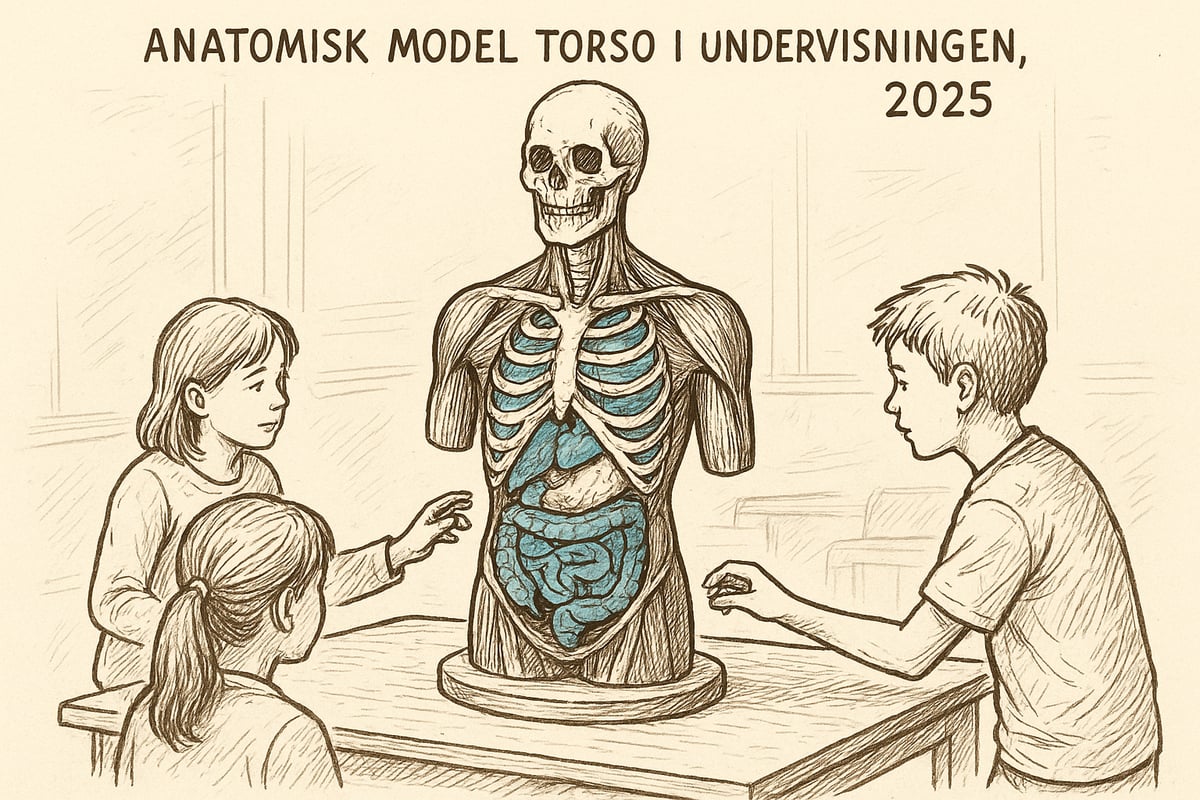
An anatomical torso model is an indispensable teaching tool in modern science classrooms. This model gives both teachers and students a concrete opportunity to explore the internal structure and function of the body in a visual and tactile way.
Definition and basic structure
An anatomical torso model is a physical representation of the upper body, where organs, muscles and skeletal parts can be examined. The model is often made of plastic or PVC, and the size varies from small table models to almost life-size sizes.
There are several variants:
- Full torso: Contains the entire upper body with detailed internal organs.
- Half torso: Shows primarily the front and individual organs.
- Specialized models: Focus on specific systems, such as digestion or circulation.
Typical components of an anatomical model torso include:
- Heart, lungs, liver, stomach, intestines and kidneys
- Muscle layer and ribs
- Interchangeable genitals to show differences between genders
In Denmark, models such as 12-part or 18-part torsos are popular in both elementary and high schools. Some advanced models have up to 27 removable parts.
Historically, anatomical models have evolved from simple wax figures to sophisticated plastic structures. Today, durability, level of detail, and pedagogical utility are high priorities. For more inspiration and examples of pedagogical use, see Anatomical models for teaching .
An anatomical torso model provides the opportunity to demonstrate and examine the human body without the use of digital aids or images alone.
Purpose and areas of application
The purpose of an anatomical torso model is to enhance understanding of the structure and function of the body. The model is widely used in elementary schools, high schools, universities and health education.
It is used in several subjects:
- Biology (to explain organ systems)
- Physiology (to show relationships between structure and function)
- Health subjects (for practical training and case-based learning)
An anatomical torso model is relevant for both theoretical and practical teaching. It promotes visual and tactile learning, where students can take out organs, feel tissues and understand spatial relationships.
According to Danish education reports, the use of physical models has increased significantly in recent years. More teachers experience increased student engagement and better learning outcomes when anatomical torso models are included in teaching.
The models support differentiated teaching as they can be used both individually and in groups. They help students with different backgrounds and learning styles to gain a concrete and shared picture of the body's anatomy.
Anatomical model torsos have therefore become a permanent element in science education and are only expected to gain greater importance in the coming years.
Benefits of using anatomical torsos in teaching
Integrating an anatomical torso model into teaching provides significant benefits for both students and teachers. These models act as a bridging tool between theory and practice, strengthening the learning environment and increasing professional understanding. The key pedagogical and professional benefits are discussed below.
Educational benefits
An anatomical torso model allows students to actively engage in their learning. When students physically interact with the model, a deeper understanding of the structure and function of the body emerges. Hands-on learning increases motivation because students can see and touch the individual parts, creating a more vivid and sensory learning environment.
The model also supports differentiated instruction. Students with different learning styles are given the opportunity for both visual and tactile learning. This makes it easier to include students with special needs, as an anatomical torso model can be adapted to the individual student's needs. At the same time, the model helps to make complex anatomical concepts more tangible, so students at all levels can follow along.
An additional advantage is that physical interaction with an anatomical model torso strengthens memory. When students themselves separate and assemble organs or muscle groups, knowledge is anchored more effectively in long-term memory. Group work around the model also promotes cooperation, dialogue and joint problem solving. In many high schools, for example, 18-part torsos are used as the centerpiece of group work and project courses.
If you would like more inspiration on how to use models in a learning context,the Student Guide to Anatomy can provide concrete advice and guidance. This enhances the outcome and makes it possible to utilize all pedagogical aspects of an anatomical torso model.
Academic grounding and curriculum
An anatomical model torso has been developed to support the Common Objectives and the curricula for science subjects in Denmark. The model makes it possible to connect theory to practice, which is central to modern teaching. When students work with an anatomical model torso, they have the opportunity to prepare specifically for exams and participate in case-based courses where anatomy and physiology are made concrete.
The model is also suitable for interdisciplinary courses where biology, health and sports can be integrated. This gives teachers the flexibility to adapt the teaching so that several subject areas are covered at once. Statistics from the Ministry of Education's report 2023 show that 82 percent of Danish biology teachers experience increased student engagement when an anatomical torso model is used in teaching.
Furthermore, the model enables group-based learning, where students can explore and discuss the anatomy of the body together. This strengthens both the social and academic benefits. Overall, anatomical torsos contribute to improving the quality of teaching and ensuring that students gain a solid and applicable understanding of the structure of the body.
How to choose the right anatomical model torso for 2025
Choosing the right anatomical torso model for teaching in 2025 requires thorough research and an understanding of both pedagogical and technical needs. The range is growing, and the demands for quality, functionality and innovation are increasing. Here you will find a step-by-step guide to choosing the optimal anatomical torso model, ensuring maximum learning value and long life.
Considerations before purchasing
Before investing in an anatomical torso model, you should clarify the purpose of the model. Will it be used in elementary school, high school, or in health education? Think about the learning objectives and which anatomical areas need to be covered.
The target audience is also crucial. Younger students often need a more robust and simple model, while older students may benefit from a detailed anatomical torso model with multiple removable parts and specific organs.
Budgets vary widely. Basic models are often sufficient for introductory level, but advanced models with more features and parts allow for greater pedagogical flexibility. Consider whether you need to supplement with more torsos for group work.
Here is an overview of typical criteria:
| Level | Recommended model type | Price level |
|---|---|---|
| Elementary school | Simple, robust | Low |
| High school | Detailed, 12-18 parts | Between |
| Health education | Specialist, many parts | High |
A well-chosen anatomical model torso should match both the student's level and the institution's finances.
Features and quality
The next step is to assess the model's capabilities. The number of parts and the level of detail have a major impact on learning outcomes. A 12-part anatomical torso model is suitable for a straightforward introduction, while an 18- or 27-part model can challenge and engage students at a higher level.
Material selection is important. Most models are made of plastic or PVC, which are durable and easy to clean. Eco-friendly alternatives are gaining ground, and this can be a plus if the institution prioritizes sustainability.
Durability is key, especially in environments with many users. Choose models where the organs can be replaced and where repair is possible. This ensures that your anatomical torso model can be used for many years without major additional costs.
Also check if the model comes with storage solutions that protect against dust and wear.
Technological and innovative opportunities
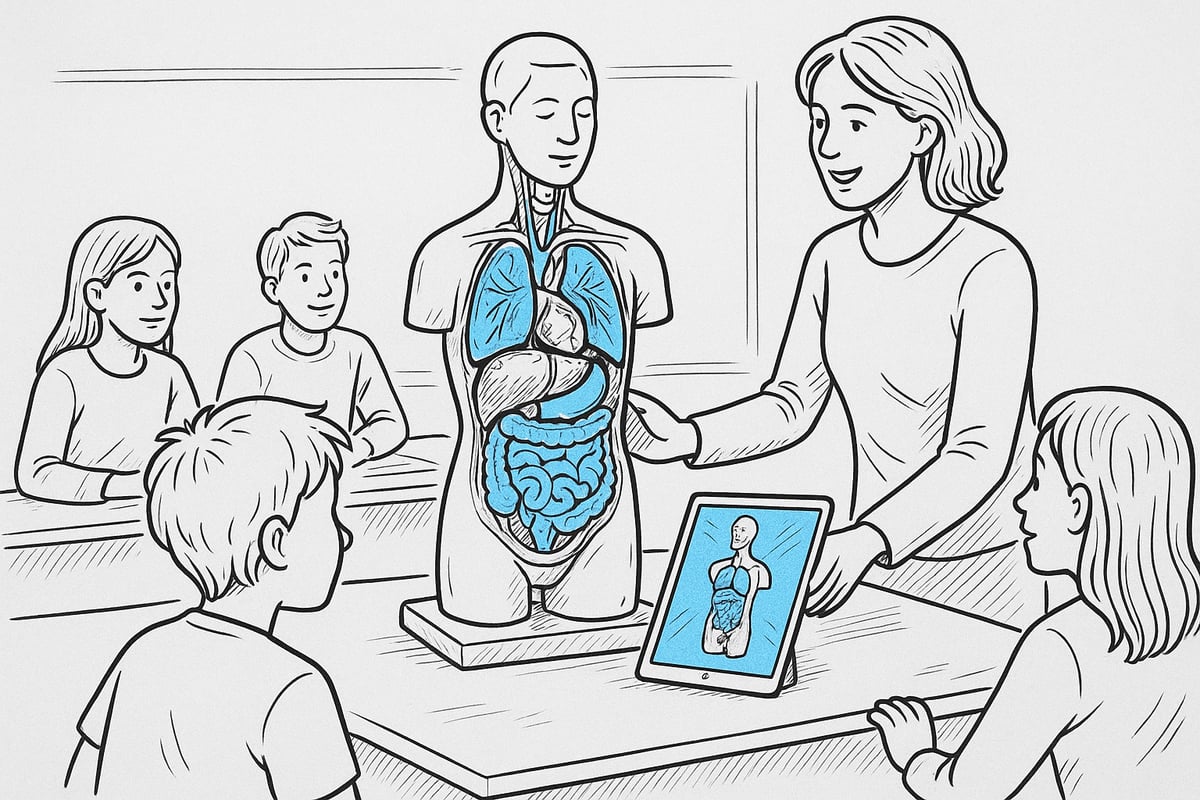
Developments in digital learning tools have made it possible to integrate technology with physical models. Many schools today combine an anatomical torso model with AR or VR solutions to create deeper understanding and engagement.
Interactive elements, such as QR codes on the model, can provide access to videos, quizzes, or 3D visualizations. This personalizes learning and makes it easier to differentiate instruction so that all students benefit.
Apps and digital platforms that work with the physical anatomical model torso are particularly popular in 2025. They provide the opportunity to follow students' progression and adapt activities to the individual.
When choosing a model, you should check whether it supports integration with the school's existing digital systems.
Certifications and safety
Safety and quality should always be in focus. An anatomical torso model for teaching must comply with EU standards and be CE marked. This ensures that the materials have been tested for harmful substances and are safe to use.
Choose hypoallergenic materials, especially if the model will be used by children or young people with sensitivity to plastic or chemicals. Child-safe designs without loose small parts minimize the risk of accidents.
Check the warranty terms and support from the supplier. A good warranty covers defects and defects, while access to spare parts and repairs extends the life of the model.
It is an advantage if the supplier offers guidance on the correct use, cleaning and storage of your anatomical model torso.
Buying advice and supplier selection
When choosing a supplier, you should compare both Danish and international providers. Check reviews, warranties and support options. Grouping purchases with other institutions can give better prices, and some suppliers offer rental schemes or discounts for larger purchases.
A good tip is to choose a supplier with documented expertise and high professionalism. For example, you can read more about quality and service at About eAnatomy and professionalism , which provides insight into the company's approach to certifications and product development.
Consider flexibility: Choose an anatomical torso model with interchangeable parts so that the model can be updated or repaired as needed. This saves both time and money in the long run.
Finally, pay attention to delivery terms, return policy and spare parts. A well-thought-out choice ensures that your anatomical torso model will be a valuable and long-lasting teaching tool.
Practical use of anatomical torsos in teaching
Integrating an anatomical torso model into teaching requires both planning and creativity. The model can be adapted to many learning situations, allowing students to work both theoretically and practically. A well-thought-out approach ensures that all students get the maximum benefit from the teaching.
Planning and implementation in teaching
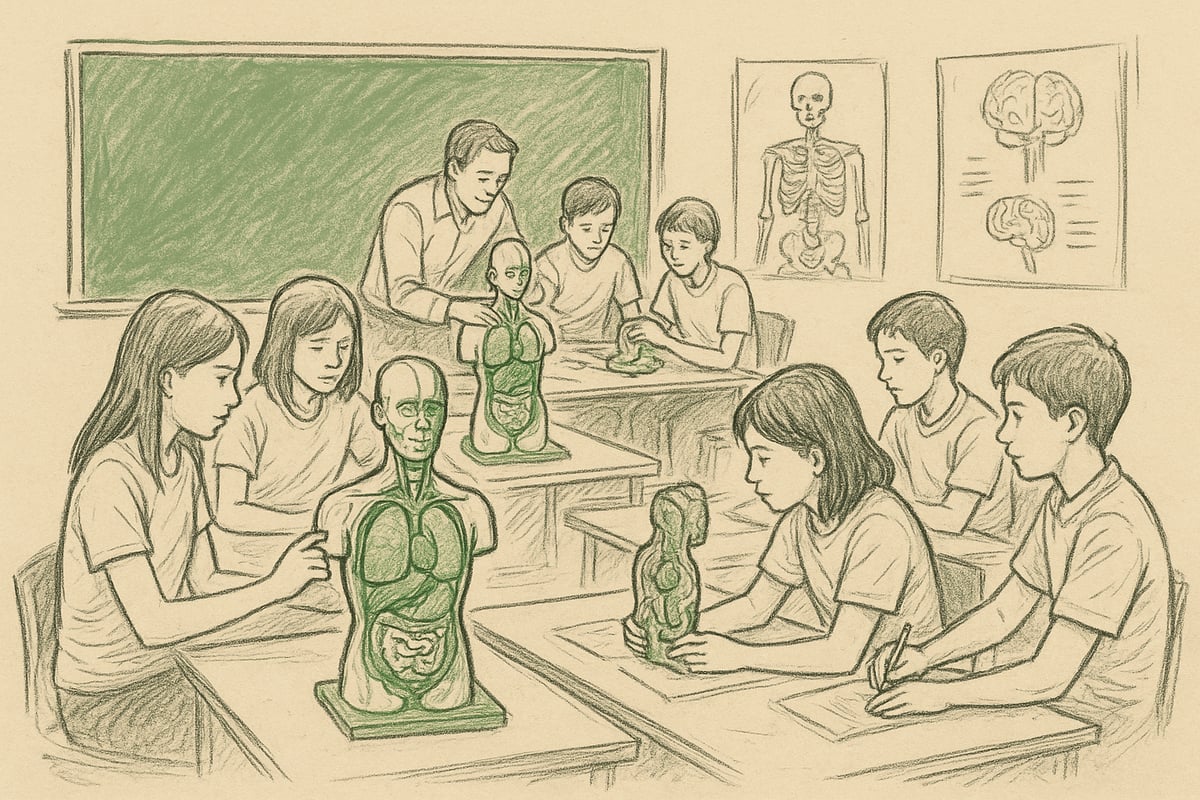
Effective use of an anatomical torso model starts with a clear lesson plan. The teacher should consider learning objectives, grade level, and student abilities. Many choose to prepare a teacher's guide that describes how the model can be incorporated into biology, physiology, and health subjects.
It is recommended to combine the anatomical model torso with other visual aids, for example anatomical posters and visual aids , so that students can compare two-dimensional and three-dimensional representations of the body.
Various activities can be planned:
- Group exercises where students assemble and disassemble the torso
- Presentations where students explain the function of organs
- Interdisciplinary courses where the body is connected to sports or health
In laboratory exercises, anatomical torso models can be used to illustrate the circulatory, digestive, and muscular systems. Involving students in the setup and presentation strengthens ownership and engagement.
When students work with the model in a hands-on manner, their understanding of the structure of the body increases. This is especially true when the activities are adapted to different levels and learning styles. Therefore, the teacher should continuously adapt the tasks so that both strong and challenged students benefit from the anatomical torso model.
Evaluation and learning outcomes
Measuring learning outcomes using an anatomical torso model can be done in several ways. Teachers often use tests and quizzes to assess whether students have understood the anatomy of the body. Oral presentations and group presentations are also used to document knowledge and communication skills.
It is important to collect student feedback along the way. Many students find that physical interaction with the anatomical torso model helps them better remember and understand the material. According to a survey by the Danish Teachers' Association, 74 percent of teachers experience improved anatomical understanding in students when the model is used in teaching.
Examples of evaluation methods:
- Short quizzes after practical exercises
- Student logs with reflections on the day's work
- Peer feedback in groups where students evaluate each other's presentations
By varying the forms of evaluation, the teacher can ensure that all students have the opportunity to demonstrate their learning. Documentation of progress and results can also be used to adjust future activities with the anatomical model torso.
Maintenance and storage
An anatomical torso model is an investment that needs to be maintained to maintain function and hygiene. After each teaching session, all parts should be cleaned with a mild soap solution and a soft cloth. It is important to avoid aggressive cleaning agents as they can damage the material.
Storage should be in a dry place where the model is not exposed to direct sunlight or moisture. Many schools choose to store anatomical model torsos in locked cabinets so that they are not exposed to unnecessary wear and tear or loss of parts.
Good maintenance tips:
- Check regularly for loose or worn parts and repair if necessary.
- Keep track of all small components, possibly in labeled boxes
- Ensure that students receive instruction in proper handling
If a part becomes damaged, many models can be repaired or individual components replaced. Good maintenance ensures that anatomical torso models last for many years and can continue to be used effectively in teaching.
Trends and Developments: Anatomical Model Torso in 2025
The development of anatomical torso models is accelerating rapidly. In 2025, we will see significant changes shaping materials, technology and teaching methods. Schools and educational institutions are now demanding models that combine durability, innovation and learning flexibility. This development makes anatomical torso models a central tool in future pedagogical practice.
New technologies and materials
The choice of materials for anatomical torso models has changed significantly. Today, there is a strong focus on sustainable and recyclable materials. Manufacturers are investing in environmentally friendly alternatives such as bioplastics and recycled PVC. This reduces the environmental impact without compromising the level of detail or durability of the models.
Digital technologies are also gaining traction. Many anatomical model torsos now integrate AR and VR features, allowing students to explore organs and systems in 3D. For example, several schools are using AR headsets with physical torsos, providing an immersive, interactive experience. QR codes on the models open up digital resources, videos, and quizzes that enhance learning.
This combination of physical and digital learning creates new opportunities to engage students and adapt teaching to different learning styles and needs.
Teaching methods of the future
Teaching with anatomical model torsos is evolving towards more interdisciplinary and personalized approaches. STEAM focus, where science, technology, engineering, art and mathematics are integrated, is becoming increasingly widespread. Anatomical model torsos are used not only in biology, but also in health, sports and creative projects.
Personalization is at the heart of the curriculum, with interactive models enabling learning to be tailored to the individual student's level. This strengthens inclusion, especially for students with special needs. Custom-designed models and digital solutions open up participation for all.
Research indicates that the combination of physical and sensory learning increases understanding and motivation. A relevant report from the Danish Evaluation Institute collects knowledge about the body, senses and movement and can provide further insight into the pedagogical benefits of this development, see Knowledge collection on body, senses and movement .
Market trends and demand
The anatomical model torso market is experiencing significant growth in Europe. The demand for flexible and modular solutions is increasing as institutions want models that can be adapted to different subjects and student groups. The ability to replace or add parts makes the models more versatile and economically attractive.
The collaboration between manufacturers, schools and universities is intensifying. This leads to the development of new features, better support and an increased focus on user-friendliness. Danish and international suppliers now offer extensive ranges where you can compare models and find the solutions that match local needs. For an overview of available models and market trends, seethe NATURAL SCIENCE EQUIPMENT catalog .
The future of anatomical model torsos is bright, where innovation, sustainability and educational impact go hand in hand.
Frequently Asked Questions About Anatomical Model Torso
When choosing an anatomical torso model for teaching, questions often arise among teachers and institutions. Here we collect the most frequent considerations so that you can make the best choice for your school or educational institution.
Typical questions from teachers and institutions
Educators often ask how detailed an anatomical torso model should be to suit different levels. For primary schools, a simpler model is often recommended, while high schools and universities benefit from models with more removable parts and a high level of detail.
Another key question is whether an anatomical torso model can be used for both biology and health subjects. The answer is yes, as most models cover both organ systems and anatomical structures that are relevant across subjects.
Maintenance is also a concern for many. Teachers want to know how to best clean and store the models so that they last as long as possible. Safety is another focus: Can students with special needs use the models safely? Here it is important to choose models with child-safe materials and hypoallergenic surfaces.
They also ask which models are best suited for group work. Models with many removable parts, such as the Anatomical Torso Model with 27 removable parts , promote collaboration and allow more students to participate actively.
Practical answers and examples
The choice of anatomical torso model should take into account the age, academic level and special needs of the students. For primary school, models with clear, color-coded organs and fewer parts are often sufficient. For secondary school, a more advanced model, such as Torso with gender H87 cm , can provide a deeper insight into anatomy and physiology.
To ensure long life, it is recommended to clean the anatomical torso model with a soft cloth and mild soap after use. Storing it in a cupboard or on a shelf protects the model from dust and damage. In the event of wear, replaceable parts can often be ordered separately, increasing flexibility.
Group work is strengthened by choosing models with many parts, so that several students can work together to assemble and disassemble organs. Statistics show that 65% of institutions choose models with interchangeable parts to support varying teaching needs (source: Skoleindkøb.dk 2024).
If questions arise along the way, many suppliers offer both support and resources, such as guides and spare parts. This ensures that the anatomical torso model remains an effective teaching tool, regardless of subject or student group.
Once you have an overview of the benefits of anatomical model torsos, the latest technologies and specific tips for choosing in 2025, you are well equipped to make the right choice for your teaching. Whether you work in primary school, secondary school or the healthcare sector, a well-chosen model can make a big difference for both teachers and students. If you want to delve even deeper into the selection, materials and pedagogical options, you will find more inspiration and knowledge here:
Read more here
0 comments