

Hjärnan fascinerar oss med sin otroliga komplexitet, och fler och fler människor letar efter nya sätt att förstå dess mysterier. År 2025 är visuella verktyg som en hjärnposter viktigare än någonsin, eftersom de gör det möjligt att översätta komplicerad kunskap till lättförståeliga bilder.
Syftet med den här guiden är att hjälpa dig att förstå, välja och använda hjärnposters effektivt för lärande, inspiration och kommunikation. Oavsett om du är student, lärare, sjukvårdspersonal eller en nyfiken person, kommer den här guiden att ge dig en översikt över de viktigaste ämnena.
Vi går igenom vad en hjärnposter är, hur den används i praktiken, vilka urvalskriterier du bör känna till, aktuella trender för 2025 och konkreta exempel på användning.
Bli inspirerad, bli smartare och se hur du kan föra hjärnans underverk närmare din vardag med den här guiden.
Vad är en hjärnaffisch?
Definition och syfte
En hjärnposter är ett visuellt inlärningsverktyg som omvandlar komplex neurologisk information till tydliga bilder. Syftet är att göra hjärnans anatomi begriplig för både yrkesverksamma och lekmän. En hjärnposter illustrerar ofta hjärnans strukturer, funktioner eller sjukdomar på ett sätt som gör det lättare att inhämta kunskap.
Till skillnad från allmänna anatomiposters fokuserar en hjärnposter uteslutande på hjärnan och dess centrala betydelse i människokroppen, vilket gör den till ett oumbärligt verktyg i många sammanhang.
Historisk utveckling och popularitet
Ursprungligen skapade de som detaljerade medicinska illustrationer för undervisning och kliniskt bruk, men hjärnaffischer har utvecklats från svartvita teckningar till moderna, färgglada affischer som kombinerar vetenskaplig precision med estetik.
Idag upplever hjärnposters en ökande efterfrågan inom utbildningsinstitutioner och hälso- och sjukvårdssektorn. Statistik visar att över 70 % av hälso- och sjukvårdsutbildningarna i Skandinavien använder anatomiska posters som en naturlig del av undervisningen.
Målgrupper och tillämpningsområden
En hjärnposter riktar sig till en bred publik. Eleverna har nytta av postern i biologi- och medicinlektioner. Lärare använder den för att visualisera komplexa samband och engagera eleverna.
Sjukvårdspersonal använder hjärnposters för patientvägledning och kommunikation. Individer använder dem som inspiration, konst eller heminredning. Användningsområdena sträcker sig från klassrum och kliniker till hemmakontor och barnrum.
Typer av hjärnaffischer
Marknaden erbjuder flera typer av hjärnposters:
- Klassiska anatomiska posters med detaljerade illustrationer
- Interaktiva affischer med QR-koder eller förstärkt verklighet
- Konstnärliga tolkningar som kombinerar vetenskap och design
Populära format sträcker sig från små A3-affischer till stora väggpaneler. För en inblick i dansk design och aktuella trender, läs mer om anatomiska affischer designade i Danmark .
Vikten av visuell inlärning
Visuella hjälpmedel som hjärnposters har en dokumenterad effekt på inlärning. Studier visar att visuell inlärning kan öka informationsminnet med upp till 65 %. Detta gör hjärnpostern till ett effektivt verktyg i både undervisning och kommunikation.
När komplexa ämnen bryts ner i visuella element blir de lättare att förstå och komma ihåg. Det är därför hjärnposters är oumbärliga i en tid där visuell kommunikation spelar en allt viktigare roll.

Hur man väljer den högra hjärnhalvans poster
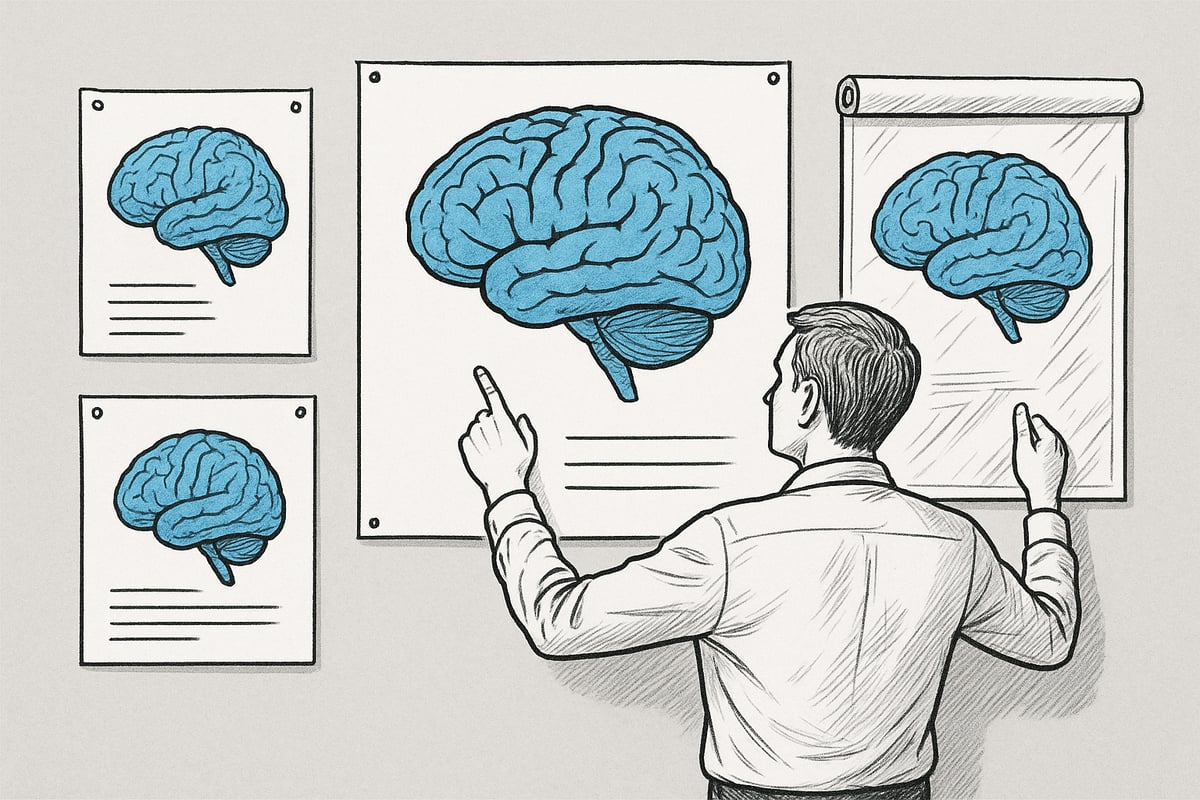
Att hitta rätt hjärnposter kräver eftertanke. Det handlar inte bara om estetik, utan också om hur postern matchar ditt syfte, din professionella nivå och den miljö den ska användas i. Här guidar vi dig genom de viktigaste urvalskriterierna så att du får ut det mesta av din hjärnposter.
Syfte och behovsanalys
Börja med att definiera vem din hjärnposter kommer att gynna. Är du student, lärare eller klinisk yrkesverksam? Målet kan vara visuell översikt, tentamensförberedelse eller patientkommunikation. Identifiera dina lärandemål och fundera över hur postern bäst kan stödja dig i praktiken.
För elever och lärare finns det särskilda resurser som hjälper till med att välja och använda hjärnposters i ett lärandesammanhang, till exempel För elever och lärare . Fundera på om postern kommer att användas ofta eller bara ibland.
En tydlig behovsanalys gör det lättare att göra rätt val och ökar utbytet av brainstorming.
Innehåll och professionell noggrannhet
Professionell noggrannhet är avgörande när man väljer en hjärnposter. Illustrationerna bör baseras på aktuell kunskap och tydligt visa de anatomiska strukturerna. Överväg om du behöver en poster med fokus på anatomi, funktion eller sjukdomar.
Jämför olika versioner för att säkerställa att informationen är lättförståelig och relevant för din nivå. Välj endast hjärnposters från välrenommerade tillverkare med bevisad kvalitet. Kontrollera källhänvisningar så att du kan lita på innehållet.
En precis hjärnposter stärker både förståelse och kommunikation.
Design och estetik
Design spelar en stor roll för både lärande och motivation. Färger, layout och läsbarhet bör harmonisera så att det visuella uttrycket stödjer lärandet. År 2025 ser vi trender som minimalism, infografik och integration av förstärkt verklighet som kan göra hjärnposters ännu mer engagerande.
Välj en design som passar din smak och miljön där affischen ska hänga. Fundera över om du vill ha en klassisk eller modern look. Kom ihåg att en väldesignad hjärnaffisch också kan fungera som inspiration i vardagen.
En väl genomtänkt design gör hjärnpostern till ett effektivt och motiverande verktyg.
Material och hållbarhet
När du väljer material till din hjärnposter, tänk på både hållbarhet och användbarhet. Pappersposters är ofta prisvärda men kan vara känsliga för slitage. Laminerade posters ger extra skydd och är lätta att rengöra, vilket gör dem idealiska för klassrum eller kliniker.
Posters tryckta på canvas kombinerar styrka och estetik och är väl lämpade för permanent upphängning. Tänk på den miljö där din hjärnposter ska användas och välj material därefter.
Hållbara material förlänger livslängden på din hjärnposter och säkerställer att den behåller sitt utseende.
Storlek och format
Storleken på din hjärnposter är viktig för synlighet och användbarhet. För undervisningsändamål rekommenderas ofta format som 60x80 cm, eftersom de är lätta att läsa på avstånd och passar de flesta väggar.
Tänk på var affischen ska placeras. Större affischer är idealiska för gemensamma utrymmen, medan mindre format passar för skrivbordet eller hemmakontoret. Statistik visar att 60x80 cm var den mest sålda storleken för utbildningsändamål år 2024.
Genom att välja rätt storlek säkerställer du att din hjärnposter får maximal effekt.
Pris- och budgetöverväganden
Prisnivån för en hjärnposter av hög kvalitet varierar beroende på material, storlek och tillverkare. Vanligtvis ligger priset mellan 150 och 600 DKK. Tänk på vad du får för pengarna. En dyrare, laminerad poster kan ofta hålla längre och tåla mer användning.
Fundera också över om du behöver fler affischer eller specialutgåvor. Jämför priser och kvalitet för att få ut det mesta av din budget. Kom ihåg att en bra hjärnaffisch är en investering i lärande och kommunikation.
En balanserad bedömning av pris och kvalitet gör ditt val mer hållbart.
Köp och tillgänglighet
Du kan köpa hjärnposters både online och i fysiska butiker. Nätbutiker erbjuder ofta ett brett utbud och detaljerad produktinformation, medan fysiska butiker låter dig se materialet innan du köper.
Kontrollera leveranstider och returpolicyer för att undvika oväntade överraskningar. Överväg om du behöver snabb leverans eller specialbeställningsalternativ.
Genom att noggrant undersöka dina alternativ hittar du enkelt den hjärnposter som bäst passar dina behov.
Hjärnposterns roll i lärande och kommunikation
Att förstå hjärnan kräver inte bara teoretisk kunskap, utan även effektiva visuella verktyg. En hjärnposter kan göra det komplexa begripligt, vilket stärker både lärande och kommunikation. Detta avsnitt utforskar hur hjärnposters används i praktiken inom utbildning, hälsa och vardagsliv.
Utbildningsfördelar
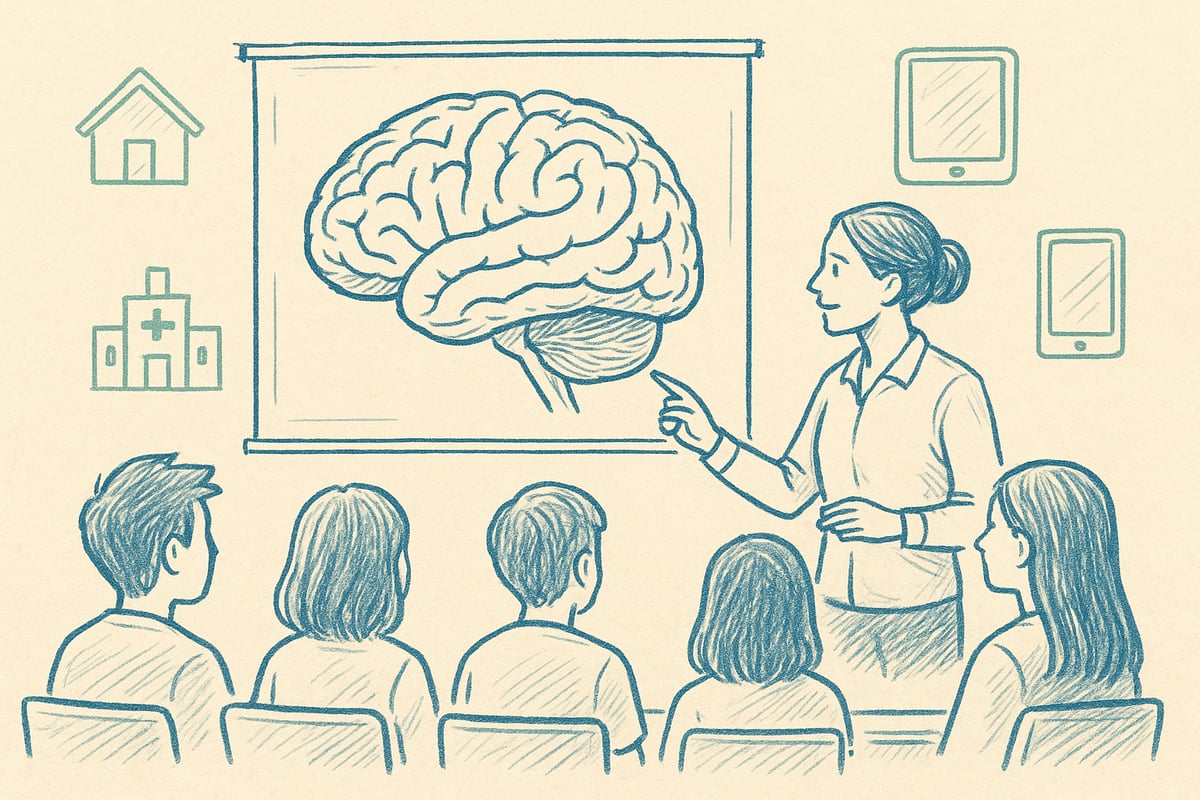
Hjärnposters är ett kraftfullt verktyg för att främja förståelse av komplexa neurologiska ämnen. När abstrakta begrepp visualiseras blir de lättare att komma ihåg och tillämpa. Forskning visar att studenter som aktivt använder hjärnposters i sina klasser uppnår i genomsnitt 18 % högre poäng på anatomiprov jämfört med studenter som endast använder textbaserat material.
Listan över utbildningsförmåner inkluderar:
- Förbättrat minne genom visuellt stöd
- Ökat engagemang och motivation bland eleverna
- Möjlighet till differentierad undervisning för olika inlärningsstilar
Dessa fördelar gör hjärnposters till en oumbärlig resurs i både grundskolan och högre utbildning.
Användning i undervisning
En hjärnposter kan integreras i undervisningen på många sätt. Den fungerar som en fokuspunkt för grupparbeten, där eleverna samarbetar för att identifiera områden i hjärnan. Lärare använder postern som utgångspunkt för frågesporter och visuella presentationer som förbättrar interaktionen i klassrummet.
För lärare som vill optimera användningen av hjärnposters finns specifika tips och metoder på Anatomiska posters för lärare . Här kan du hitta vägledning om hur du får ut det mesta av postern i ett undervisningssammanhang.
En strukturerad användning av hjärnposters bidrar till att göra undervisningen mer levande och engagerande för alla typer av elever.
Patientkommunikation och klinisk användning
I kliniska sammanhang används hjärnposters ofta som ett samtalsverktyg. När en neurolog förklarar epilepsi eller följer upp en hjärnskada kan postern göra det lättare för patienten och anhöriga att förstå diagnosen. Genom att peka på specifika områden på hjärnpostern uppnås en mer nyanserad dialog.
Exempel på klinisk användning:
- Patientvägledning före operation eller behandling
- Visualisering av hjärnfunktioner under rehabilitering efter stroke
- Stödja tvärvetenskaplig kommunikation mellan vårdpersonal
Således stärker hjärnposters både kommunikation och säkerhet inom hälso- och sjukvården.
Självstudier och hemmabruk
Hjärnposters är inte bara reserverade för professionella miljöer. Individer använder dem ofta för självstudier, där de kan gå igenom hjärnans anatomi dagligen. En hjärnposter på hemmakontoret kan fungera som både ett lärandeverktyg och inspiration.
Populära platser i hemmet:
- Barnrum för tidigt intresse för naturvetenskap
- Vardagsrummet som samtalsämne bland gäster
- Kontoret för studenter eller yrkesverksamma
Brain Poster stöder en livslång lärandeprocess, oavsett ålder eller bakgrund.
Konst, inredning och inspiration
Förutom sitt professionella bruk har hjärnposters blivit populära inom konst och inredning. De senaste designerna kombinerar vetenskaplig precision med estetiska element, så postern är både pedagogisk och dekorativ. Många väljer en hjärnposter för att skapa en unik atmosfär i sitt hem eller på sin arbetsplats.
Exempel på användning som konst:
- Gallerihänge med flera hjärnaffischer
- Kreativ inramning med färgglada bakgrunder
- Interaktion med andra vetenskapliga posters för ett sammanhängande uttryck
På så sätt blir hjärnpostern ett samtalsämne och en källa till daglig inspiration.
Digitalisering och interaktivitet
Digitaliseringen har öppnat nya möjligheter för hjärnaffischer. Med förstärkt verklighet och digitala versioner kan användaren utforska hjärnans anatomi interaktivt via smartphone eller surfplatta. Statistik visar en ökning med 25 % i efterfrågan på digitala affischer från 2023 till 2024.
Fördelar med digitala hjärnposters:
- Möjlighet att uppdatera med ny kunskap
- Interaktiva frågesporter och animationer
- Enkel åtkomst på flera plattformar
Utvecklingen tyder på att hjärnposters kommer att fortsätta vara centrala i framtida lärande- och kommunikationsmiljöer.
Trender och innovationer inom hjärnaffischer 2025
Nya trender formar marknaden för hjärnaffischer år 2025, med teknologi, design och hållbarhet i spetsen. Utvecklingen drivs av en önskan att göra hjärnans anatomi mer tillgänglig, inspirerande och relevant för flera målgrupper. Låt oss dyka in i de viktigaste innovationerna som kommer att forma årets hjärnaffisch.

Nya designriktningar
Designen av hjärnposters har tagit ett enormt språng år 2025. Infografik och 3D-visualiseringar har blivit standard, och färgkodning av hjärnans funktionella områden gör komplext material lätt att avkoda. Prisbelönta affischer från internationella tävlingar sätter ribban högt med minimalistiska uttryck och skarpa, pedagogiska illustrationer.
Tabellen nedan sammanfattar de mest populära designtrenderna:
| Trendigt | Beskrivning |
|---|---|
| Infografik | Visuell sammanfattning av kunskap |
| 3D-visualisering | Djupgående förståelse av hjärnans struktur |
| Färgkodning | Snabb identifiering av områden |
| Minimalism | Ren, lättläst layout |
Oavsett val kommer en modern hjärnposter alltid att kombinera estetik och lärande.
Teknologiska framsteg
Tekniska lösningar har förändrat hur en hjärnposter används i praktiken. Integreringen av QR-koder gör att postern kan skannas och få tillgång till djupgående videor eller ljudguider som ytterligare underlättar förståelsen. Förstärkt verklighet (AR) är särskilt populärt inom utbildning, där en AR-hjärnposter kan aktivera interaktiva lager, vilket gör att studenter och patienter kan uppleva anatomin på ett helt nytt sätt.
Ett skolprojekt från 2024 visade hur AR-affischer avsevärt ökade engagemanget, vilket också stöds av forskning om effektmätning av digitala läromedel . Hjärnaffischer utvecklas ständigt med nya digitala funktioner.
Hållbarhet och materialval
Fokus på miljövänlig produktion präglar utvecklingen av hjärnaffischer. Fler tillverkare väljer nu FSC-certifierat papper och biologiskt nedbrytbara tryckfärger. Statistik från 2024 visar att 40 procent av nya affischer trycks på hållbart papper, vilket välkomnas av både institutioner och privatpersoner.
Denna gröna omställning innebär att du idag kan välja en hjärnposter som är både hållbar och ansvarsfull. Samtidigt säkerställer nya material en längre livslängd och bättre kvalitet.
Personliga och specialdesignade affischer
Efterfrågan på hjärnposters skräddarsydda för specifika behov fortsätter att växa. Detta gäller både utbildningssektorn och den kliniska miljön. Till exempel kan kliniker få en specialdesignad hjärnposter med fokus på demens eller epilepsi, så att patientkommunikationen blir mer precis och relevant.
Personalisering öppnar upp möjligheten att anpassa både innehåll, språk och design, så att affischen matchar dina lärandemål eller patientprofil. Detta bidrar till att göra hjärnaffischen till ett ännu starkare verktyg i både kommunikation och behandling.
Globalisering och tillgänglighet
Globaliseringen har gjort hjärnposters tillgängliga över gränser och språk. Flera leverantörer erbjuder nu posters på flera språk och med kulturellt anpassade illustrationer. Detta förbättrar lärande och förståelse för både studenter och yrkesverksamma världen över.
Utökningen av utbudet och den digitala tillgången innebär att alla kan dra nytta av en hjärnposter, oavsett var de befinner sig. Denna utveckling understryker hur viktigt ett visuellt inlärningsverktyg är i en globaliserad värld.
Praktisk guide: Poster om hur du använder din hjärna optimalt
Att få ut det mesta av din hjärnposter börjar med var och hur du placerar den. Välj en plats med god sikt och naturligt ljus. Häng upp postern i ögonhöjd, antingen i en ram eller med ett diskret upphängningssystem. Detta säkerställer att hjärnpostern blir en integrerad del av utrymmet och är lättillgänglig. Överväg att placera den nära arbetsstationer där lärande eller samtal äger rum.
Steg 1: Plats och installation
Effektiv placering av din hjärnposter är avgörande för lärandet. Sätt upp den på en plats med bra belysning så att både färger och detaljer framträder tydligt. Använd ramar för att skydda postern och ge den ett professionellt utseende. Alternativt kan du välja ett flexibelt upphängningssystem, särskilt om postern behöver flyttas. Se till att hjärnpostern är lättillgänglig för både barn och vuxna.
Steg 2: Integrering i vardagen
För att förstärka lärandet bör hjärnpostern införlivas i de dagliga rutinerna. Skapa små aktiviteter som dagliga repetitioner, frågesporter eller samtal som använder postern. Detta gör det lättare att komma ihåg kunskap. Involvera barn och ungdomar genom att låta dem ställa frågor om hjärnpostern. Gör den till en naturlig del av undervisning, läxor eller patientvägledning för att öka engagemanget.
Steg 3: Kombinera med andra lärverktyg
Uppnå större effekt genom att kombinera hjärnpostern med kompletterande material. Använd appar, böcker och 3D-modeller för att fördjupa förståelsen av hjärnans struktur och funktion. En hjärnposter ger en visuell översikt, medan andra medier kan erbjuda interaktivitet och variation. I undervisningen kan du till exempel använda postern tillsammans med digitala resurser och fysiska modeller för att tillgodose olika inlärningsstilar.
Steg 4: Uppdatera och underhåll
Håll din hjärnposter uppdaterad för att säkerställa att informationen alltid är korrekt. Byt ut postern om nya forskningsresultat eller förändringar i professionella standarder blir tillgängliga. Rengör ytan regelbundet, särskilt om den används i klassrum eller kliniker. Skydda postern från solljus och fukt för att förlänga dess livslängd. En välskött hjärnposter kommer att förbli ett värdefullt inlärningsverktyg i många år.
Steg 5: Dela kunskap och inspiration
Använd din hjärnposter som utgångspunkt för att dela kunskap med andra. Starta diskussioner mellan kollegor, studenter eller patienter och dela erfarenheter på sociala medier för att inspirera. Visuella hjälpmedel som hjärnpostern kan särskilt stödja dyslektiker och andra med särskilda behov, vilket betonas i Visuellt lärande för dyslektiska elever . Sprid inspiration och gör lärandet mer tillgängligt för alla.
Exempel på framgångsrik användning
Flera lärare upplever ökat engagemang när hjärnpostern används i tvärvetenskapliga projekt. Till exempel kan en gymnasielärare se elever ta aktiv del i diskussioner och gruppuppgifter. Individer använder ofta hjärnpostern som konst och samtalsstartare hemma. Effekten av synligt lärande och visuella hjälpmedel är väl dokumenterad, vilket också framgår av Visible Learning Today .
Nu när du har fått insikt i hjärnans fascinerande komplexitet och de många sätt en hjärnposter kan förbättra både förståelse och kommunikation, är du väl rustad att välja den lösning som matchar dina behov. Oavsett om du är student, lärare eller privatperson kan postern med höger hjärnhalva göra en tydlig skillnad i ditt lärande och din dagliga inspiration. Om du vill utforska ett brett urval av professionellt designade hjärnposters, utvecklade i samarbete med experter och med fokus på både kvalitet och estetik, kan du läsa mer här.
0 kommentarer