

Anatomiska modeller spelar en central roll inom utbildning, medicinsk träning och patientkommunikation idag. Men hur väljer man rätt anatomisk modell och använder den bäst år 2025? Den här guiden ger dig allt du behöver veta om olika typer av modeller, urvalskriterier, tillämpningar, underhåll och de senaste trenderna. Lär dig hur rätt modell kan förbättra både lärande och praktik. Är du redo att göra ett välgrundat val? Läs vidare för konkreta tips och inspiration.
Vad är en anatomisk modell?
En anatomisk modell är ett fysiskt eller digitalt verktyg som realistiskt återger en människas eller ett djurs anatomi. Syftet är att skapa en visuell och konkret grund för att förstå kroppens struktur och funktion. Med tiden har anatomiska modeller utvecklats från enkla vaxfigurer till avancerade, exakta replikor som används inom utbildning, sjukvård och forskning. Idag spelar de en central roll i medicinskt lärande och möjliggör praktisk utbildning utan risk för patienter.
Definition och syfte
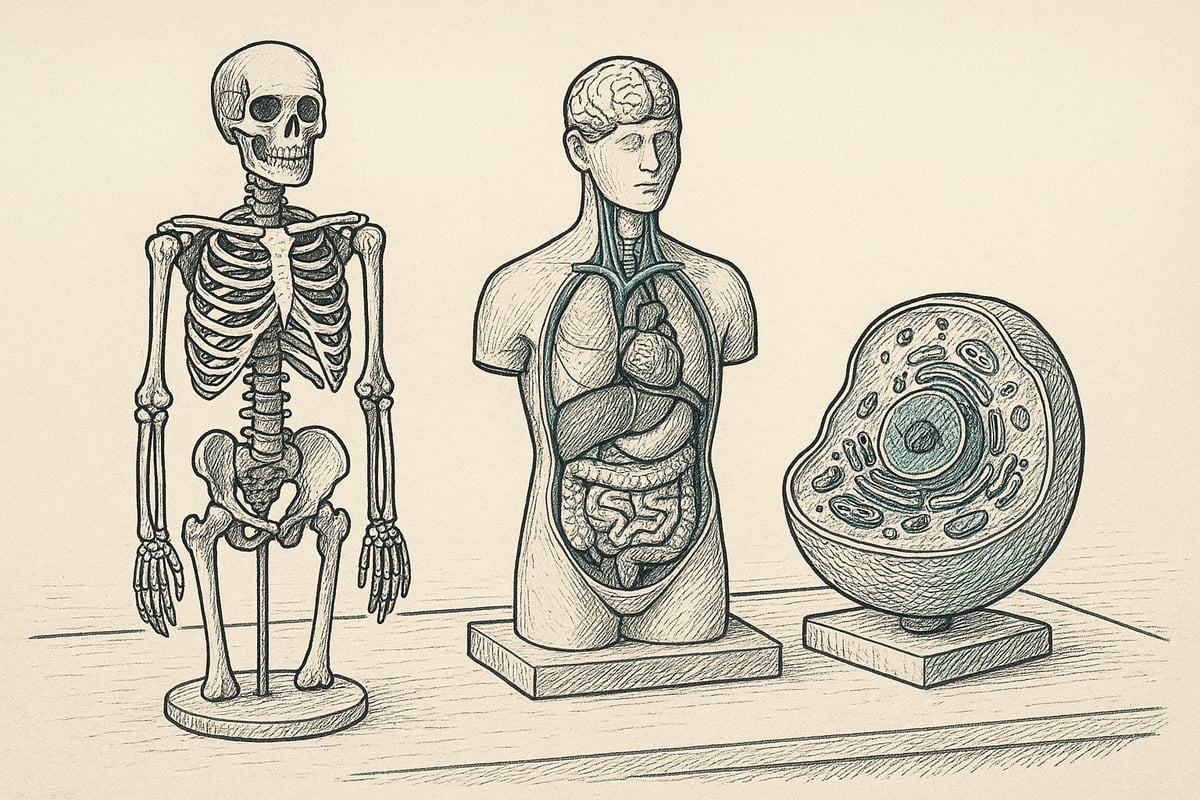
En anatomisk modell är en noggrann representation av delar av eller hela människokroppen, skapad för att främja förståelsen av anatomi. Modellerna används särskilt inom utbildning, där de gör det lättare att visualisera strukturer och samband som annars kan vara svåra att förstå enbart genom böcker eller digitala bilder.
Historiskt sett har anatomiska modeller spelat en viktig roll i medicinens utveckling. Redan under renässansen användes vaxmodeller för att illustrera organ och skelettdelar. Idag har modeller blivit mer exakta och lättillgängliga, vilket har höjt kvaliteten på medicinsk utbildning och forskning.
Anatomiska modeller används idag inom många discipliner, både i klinisk praxis och i laboratorier. De möjliggör utbildningsprocedurer, förklarar diagnoser och förbättrar kommunikationen mellan yrkesverksamma och patienter.
Olika typer av anatomiska modeller
Marknaden för anatomiska modeller erbjuder många varianter, som alla uppfyller olika behov. De vanligaste typerna inkluderar:
- Helkroppsmodeller : Representerar hela människokroppen, ofta i naturlig storlek.
- Skelettmodeller : Finns i både fullstorlek (ca 175 cm) och miniatyrversioner (t.ex. 85 cm).
- Organmodeller : Fokuserar på enskilda organ som hjärta, lungor eller lever.
- Cellmodeller : Visar cellernas struktur i förstorad skala.
- Specialiserade modeller : Till exempel leder, hjärna, skalle eller blodkärl.
Dessa modeller används flitigt i skolor, universitet och hälsovårdsutbildning. För en inblick i det breda utbudet och kvaliteten på modeller för pedagogiskt bruk, se anatomiska modeller inom utbildning , där realism och detaljnivå är i fokus.
En anatomisk modell väljs ofta utifrån det önskade lärandemålet, till exempel om det är en helhetsförståelse eller detaljerad kunskap om ett specifikt område.
Material och teknik
Materialvalet är av stor betydelse för en anatomisk modell. De vanligaste materialen är:
| Material | Fördelar | Nackdelar |
|---|---|---|
| Plast | Lätt, hållbar | Kan missfärgas med tiden |
| Harts | Hög detaljnivå | Dyrare än plast |
| PVC | Billig, flexibel | Mindre miljövänligt |
| 3D-utskrift | Skräddarsydd, exakt | Varierande hållbarhet |
Tekniska framsteg har lett till utvecklingen av interaktiva och digitala modeller. 3D-utskrifter möjliggör skapandet av patientspecifika lösningar, medan förstärkt verklighet och appar erbjuder nya sätt att uppleva anatomi.
En mycket detaljerad anatomisk modell tillverkas ofta i harts eller via avancerad 3D-utskrift, vilket säkerställer precision och hållbarhet.
Precision och detaljnivå
Precision är avgörande för att en anatomisk modell ska kunna användas effektivt vid inlärning och träning. Ju mer detaljerad modellen är, desto bättre kan användaren förstå komplexa strukturer och samband.
Vissa modeller har färgkodade element som markerar nerver, blodkärl eller muskler, vilket gör det lättare att identifiera och komma ihåg viktiga delar. Speciellt inom kirurgisk utbildning och specialiserad undervisning är en mycket detaljerad anatomisk modell oumbärlig.
Olika modeller erbjuder möjligheten att demontera och montera ihop delar, vilket stöder praktisk inlärning och djupare insikt i kroppens struktur.
Målgrupper
En anatomisk modell används av en bred målgrupp:
- Studenter : För att stärka förståelsen av anatomi och förbereda sig för tentor.
- Lärare : För demonstration och visualisering i klassrummet.
- Vårdpersonal : För utbildning i procedurer och patientkommunikation.
- Privatpersoner och samlare : För personligt intresse eller hemstudier.
- Institutioner : Skolor, universitet, sjukhus och kliniker.
Enligt statistik finns det över 21 000 recensioner av anatomiska modeller på Trustpilot, vilket är ett bevis på deras stora popularitet och tillfredsställelse. En anatomisk modell väljs ofta utifrån användarens behov och önskade inlärningsnivå.
Prisnivå och tillgänglighet
Priset för en anatomisk modell beror på storlek, detaljnivå och materialval. Mindre modeller som miniskelett kan kosta runt 250 danska kronor, medan avancerade helkroppsmodeller kan kosta över 1 600 danska kronor.
Tillgängligheten är hög och många återförsäljare erbjuder ett brett sortiment, ofta med leverans samma dag. Det är viktigt att välja en leverantör som kan ge råd om modellval och säkerställa tillgång till reservdelar och service.
Pris och kvalitet hänger ofta ihop, så tänk på både investering och förväntad livslängd när du väljer din anatomiska modell.
Hur man väljer rätt anatomisk modell
Att välja rätt anatomisk modell kräver insikt i både behov och möjligheter. Marknaden år 2025 erbjuder stor variation, så det är avgörande att beakta syfte, kvalitet, certifiering och leverantör. Här får du en steg-för-steg-guide om hur du navigerar i urvalet och gör det bästa valet för just din situation.
Syfte och användning
Först bör du definiera vilket syfte din anatomiska modell ska tjäna. Kommer den att användas för undervisning på universitet, patientkontakt på kliniken, forskning eller färdighetsträning? Till exempel är detaljerade organmodeller att föredra på läkarutbildningen, medan ett miniskelett kan vara tillräckligt för grundläggande anatomi i grundskolan.
Överväg om du behöver demonstrera specifika anatomiska strukturer eller allmänna samband. Ditt val av anatomisk modell bör återspegla den dagliga användningen och de lärandemål du vill uppnå.
Kriterier för urval
När man väljer en anatomisk modell är storlek och detaljnivå viktiga faktorer. En modell i full storlek ger ofta en realistisk bild, men kan vara platskrävande. Mindre modeller är enklare att hantera och förvara.
Tänk även på materialval: PVC och harts är robusta och lätta att rengöra, medan avancerade 3D-utskrivna modeller kan erbjuda ännu högre precision. Välj en anatomisk modell som kan demonteras om du behöver visa interna strukturer.
Budget och investeringar
Priset för en anatomisk modell varierar avsevärt beroende på storlek, detaljer och material. Mindre modeller börjar på cirka 250 danska kronor, medan större och mer avancerade modeller kan kosta över 1 600 danska kronor.
Det är viktigt att väga pris mot kvalitet och hållbarhet. Ofta kan en dyrare anatomisk modell vara en bättre investering i längden, eftersom den håller längre och kräver mindre underhåll. Kom ihåg att ta hänsyn till eventuella frakt- och underhållskostnader.
Certifiering och standarder
Säkerhet och kvalitet är avgörande, särskilt om din anatomiska modell ska användas i undervisning eller kliniska miljöer. Välj modeller med CE-märkning, vilket indikerar överensstämmelse med europeiska standarder för medicintekniska produkter.
Certifierade modeller säkerställer att materialen är fria från skadliga ämnen och kan användas säkert av både studenter och patienter. Be alltid leverantören om dokumentation på certifieringen om du är osäker.
Leverantörsval och garanti
En pålitlig leverantör är nyckeln till en bra upplevelse med din anatomiska modell. Välj leverantörer som erbjuder transparenta garantivillkor, bra kundservice och möjlighet till retur om modellen inte uppfyller förväntningarna.
Kontrollera också om leverantören erbjuder prisgaranti och fri frakt. Detta kan göra en betydande skillnad för din totala investering och säkerställa att du får bästa möjliga erbjudande.
Recensioner och användarfeedback
Det är en bra idé att läsa användarrecensioner innan du köper en anatomisk modell. Recensioner ger insikt i kvalitet, hållbarhet och användarvänlighet ur andra användares perspektiv.
Kolla även betyg på plattformar som Trustpilot, där leverantörer med hög kundnöjdhet ofta får högst poäng. Erfarenhet från andra kan hjälpa dig att undvika misstag och hitta den modell som bäst matchar dina behov.
eAnatomi ApS: Kvalitetsmodeller och expertis
eAnatomi ApS är en av Danmarks ledande leverantörer av anatomiska modeller och affischer. Företaget arbetar nära vårdspecialister för att säkerställa hög professionalism och innovation. Sortimentet sträcker sig från skelett- och organmodeller till avancerade färdighetstränare och affischer.
Både privatpersoner och yrkesverksamma kan hitta relevanta lösningar hos eAnatomi ApS, som erbjuder expertrådgivning och daglig leverans. Läs mer om företagets bakgrund och expertis på Om eAnatomi ApS och expertis .
Tillämpningar för anatomiska modeller
Användningen av en anatomisk modell varierar kraftigt i både professionella och privata sammanhang. Oavsett om du arbetar inom undervisning, klinisk praktik, forskning eller har ett personligt intresse, kan rätt anatomisk modell göra stor skillnad för förståelse och lärande.
Utbildning och undervisning
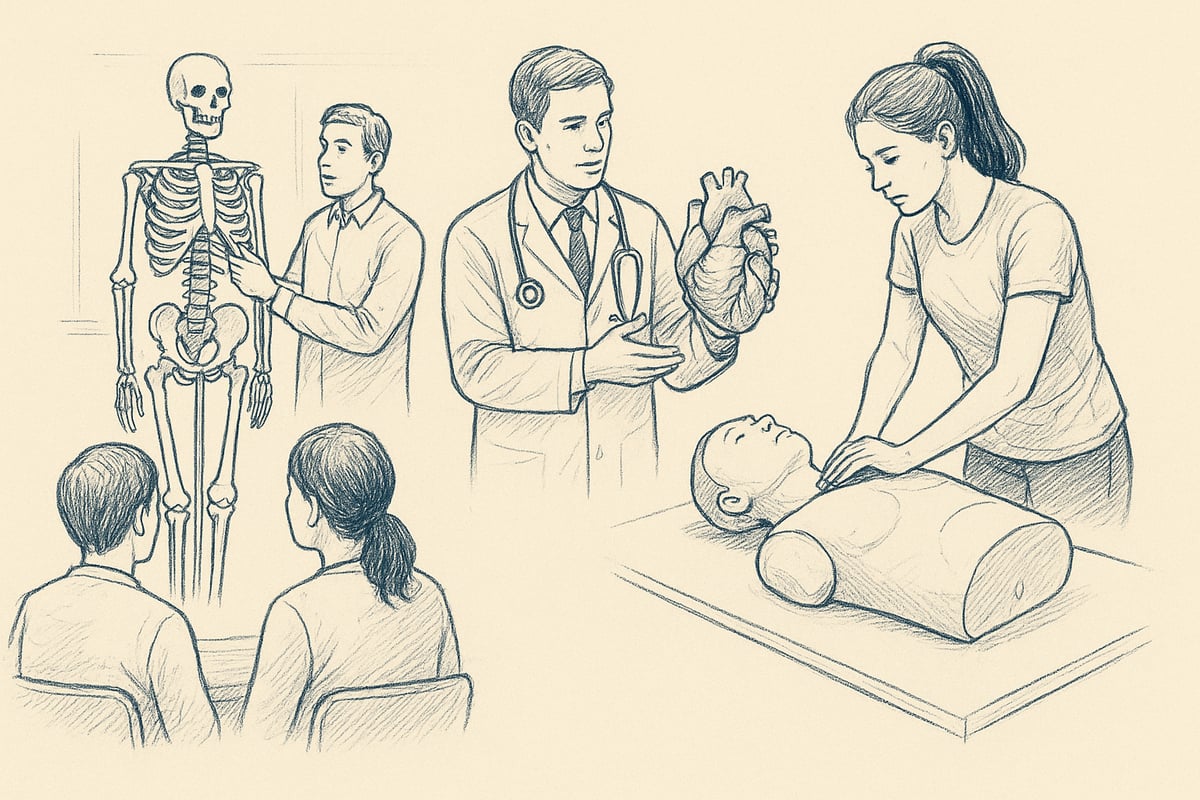
En anatomisk modell är ett oumbärligt undervisningsverktyg på alla nivåer. I grundskolan används modeller för att göra biologi och naturvetenskap mer konkreta. På gymnasieskolor och universitet ger detaljerade modeller djupare insikt i människans anatomi och förstärker teoretisk kunskap med praktisk förståelse.
Lärare väljer ofta modeller som kan demonteras så att eleverna kan studera interna strukturer och relationer. Detta främjar aktivt lärande och ökar engagemanget. Många lärare kompletterar också sin undervisning med anatomiska modeller för lärare , vilka erbjuder specialiserade lösningar för pedagogiskt bruk.
Klinisk praktik och patientuppsökande verksamhet
Inom sjukvården används ofta en anatomisk modell för att förklara diagnoser, operationer eller behandlingar för patienter. Modellen fungerar som ett visuellt verktyg som gör komplexa koncept mer begripliga och minskar patientens osäkerhet.
Till exempel kan en läkare använda en hjärtmodell för att visa var en blockering finns, eller en fysioterapeut kan demonstrera muskelskador på en muskelmodell. Detta stärker patientens förtroende och samarbete i behandlingsprocessen.
Färdighetsträning och simulering
En anatomisk modell är avgörande för att träna praktiska färdigheter. Sjuksköterske- och läkarstudenter använder modeller för att öva på injektioner, sårvård eller kirurgiska ingrepp, vilket ger en säker miljö för att bygga erfarenhet.
Specialiserade modeller, såsom sårsimulatorer eller ledmodeller, möjliggör upprepad träning utan risk för patienten, vilket förbättrar noggrannheten och förtroendet för vårdpersonalen innan de arbetar med riktiga patienter.
Forskning och utveckling
I forskningsmiljöer används en anatomisk modell för att utveckla och testa ny medicinsk utrustning eller procedurer. Forskare använder modeller för att simulera kirurgiska ingrepp, analysera biomekanik eller testa prototyper.
Forskning drar också nytta av avancerade 3D-utskrivna modeller, eftersom de kan anpassas till specifika experiment eller patientanatomier, vilket möjliggör mer exakta resultat och snabbare innovation.
Privat och hobbybruk
En anatomisk modell är inte bara reserverad för yrkesverksamma. Många privata samlare investerar i modeller för dekoration eller personligt lärande. Studenter använder mindre modeller för att förbereda sig inför tentor, medan andra är intresserade av anatomi som en hobby.
Hemmodeller sträcker sig från miniskelett till detaljerade organmodeller som passar både pedagogiska ändamål och estetiska preferenser, vilket gör det enkelt för vem som helst att utforska anatomin i sin egen takt.
Exempel på innovativa tillämpningar
Teknikens framsteg har öppnat nya möjligheter för användningen av en anatomisk modell. 3D-utskrivna modeller används nu för patientspecifik kirurgi, där läkare kan planera interventioner baserat på exakta kopior av patientens anatomi.
Digitala modeller och AR/VR-lösningar skapar interaktiva lärmiljöer där användaren kan utforska kroppen virtuellt. Denna innovation gör det möjligt att kombinera fysiskt och digitalt lärande, vilket ökar flexibiliteten och tillgängligheten.
Underhåll och förvaring av anatomiska modeller
För att säkerställa lång livslängd och funktionalitet krävs korrekt underhåll och förvaring av alla anatomiska modeller. Här granskar vi de viktigaste försiktighetsåtgärderna för att säkerställa att du får ut det mesta av din investering.
Rengöring och desinfektion
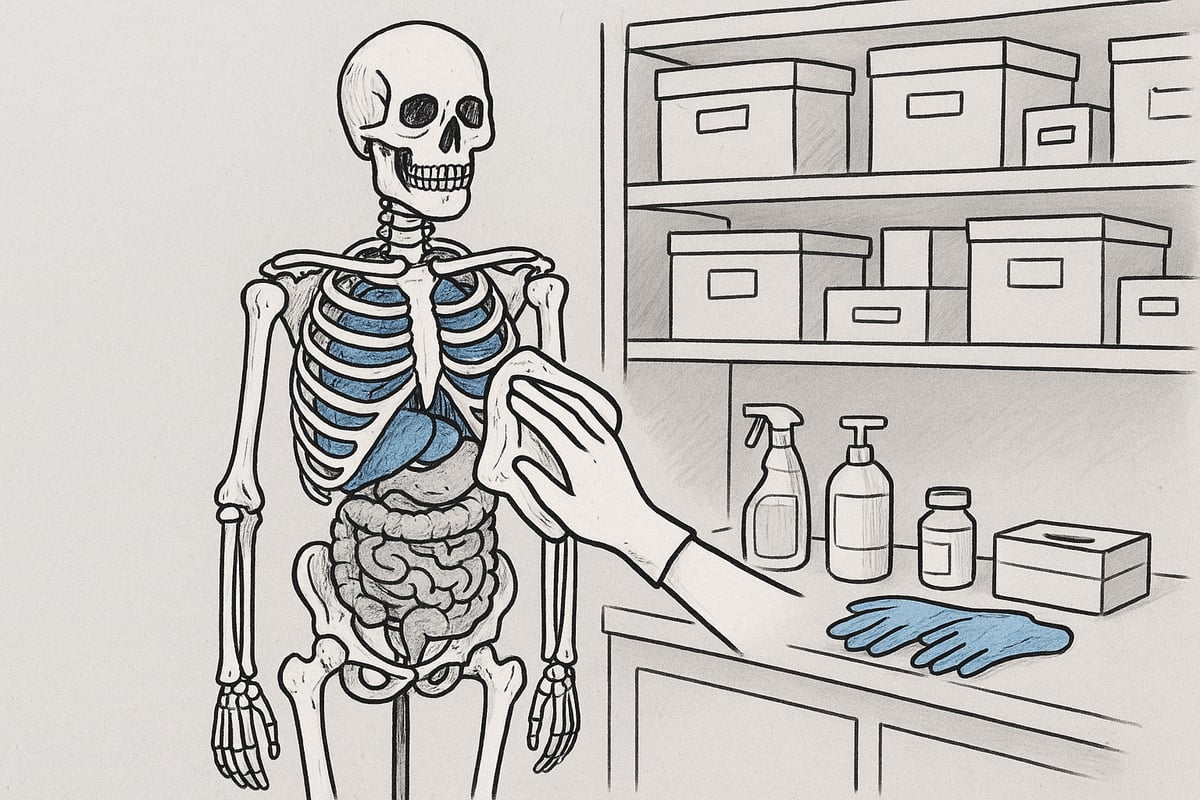
Regelbunden rengöring är avgörande för att hålla en anatomisk modell hygienisk och prydlig. Använd alltid en mjuk trasa och milt tvålvatten för daglig rengöring. Undvik starka kemikalier eftersom de kan skada ytan.
Vid frekvent användning i undervisning eller kliniska miljöer bör modellen desinficeras med godkända, alkoholfria medel. Torka modellen noggrant efter rengöring för att förhindra fuktskador, särskilt på leder och rörliga delar.
Förvaring och hantering
Korrekt förvaring förlänger livslängden på alla anatomiska modeller. Placera modellen på ett stativ eller i ett skyddande fodral för att förhindra att den välter eller utsätts för tryck.
Undvik direkt solljus och fuktiga miljöer eftersom det kan leda till missfärgning och materialnedbrytning. Vid transport bör modellen vara inlindad i mjukt material för att förhindra skador. Hantera alltid försiktigt, särskilt om modellen har lösa delar.
Reparation och tillgänglighet av reservdelar
Även med gott underhåll kan en anatomisk modell skadas. Många leverantörer erbjuder reservdelar som leder, skruvar eller små organ.
Det är viktigt att välja modeller där reservdelar är lättillgängliga. Mindre reparationer, som att byta ut en skarv eller limma om smådelar, kan ofta göras själv. Vid större skador bör du kontakta leverantören för professionell reparation.
Hållbarhet och livslängd
Hållbarheten beror på materialval och användningsmönster. En anatomisk modell tillverkad av PVC eller harts håller vanligtvis längre än modeller tillverkade av billigare plast.
Ofta användande, felaktig hantering och otillräcklig rengöring kan förkorta livslängden avsevärt. En bra modell kan dock hålla i många år om den sköts ordentligt. Tänk på kvalitet och robusthet vid köp för att säkerställa en hållbar lösning.
Tips för att förlänga modellens livslängd
För att bevara din anatomiska modell så länge som möjligt, följ dessa tips:
- Undvik direkt solljus och höga temperaturer.
- Förvara modellen torrt, helst i en sluten behållare.
- Använd handskar vid frekvent hantering.
- Kontrollera regelbundet om det finns lösa eller skadade delar.
- Följ alltid tillverkarens rengöringsanvisningar.
Genom att prioritera korrekt underhåll får du ut det mesta av din investering, oavsett om du använder modellen i undervisning, klinik eller privat bruk.
Trender och utveckling: Anatomiska modeller år 2025
Utvecklingen av anatomiska modeller har aldrig varit mer dynamisk än år 2025. Nya material, avancerad teknik och ökad digitalisering driver innovation. Samtidigt ökar fokuset på hållbarhet och användarvänliga lösningar. Här får du en översikt över de viktigaste trenderna som formar framtidens anatomiska modell.
Nya material och teknologier
Materialutvecklingen har förändrat marknaden för anatomiska modeller. Tack vare 3D-utskrift och avancerade polymerer kan modeller nu produceras med en detaljnivå som tidigare varit ofattbar. Nya lättviktsmaterial gör modellerna enklare att hantera och mer hållbara.
Särskilt 3D-utskrift har öppnat dörren för individualiserade lösningar. Till exempel kan ortopedkirurger nu skriva ut patientspecifika modeller för planering av procedurer. Enligt Healthcare Technology Trends 2025 är integrationen av 3D-modellering och utskrift en av de viktigaste trenderna inom hälso- och sjukvårdssektorn i år.
Denna utveckling innebär att anatomiska modeller inte bara är mer exakta, utan också kan anpassas till specifika behov inom både forskning, undervisning och klinisk praktik.
Digitalisering och interaktiva modeller
Digitala lösningar revolutionerar användningen av anatomiska modeller inom utbildning och träning. Interaktiva 3D-modeller, AR/VR-teknik och simuleringsplattformar gör det möjligt att utforska anatomin på helt nya sätt.
En banbrytande innovation är AI-drivna simuleringsplattformar som MedSimAI: AI-driven simuleringsplattform , där studenter kan öva på patientmöten och få omedelbar feedback. Detta ökar inlärningseffekten avsevärt och möjliggör övning i en säker miljö.
Samtidigt kombineras ofta fysiska och digitala anatomiska modeller i moderna undervisningsuppsättningar, vilket ger en mer holistisk inlärningsupplevelse.
Ökat fokus på användarengagemang
Användarens engagemang har blivit ett centralt tema för anatomiska modeller år 2025. Patienter förväntar sig i allt högre grad att få skräddarsydda förklaringar av sin diagnos eller behandling. Här spelar patientspecifika modeller en avgörande roll.
I undervisningen anpassas modellerna till det aktuella lärandemålet. Till exempel kan fysioterapistudenter arbeta med modeller som fokuserar på muskelgrupper, medan läkarstudenter väljer mer detaljerade organmodeller.
Denna trend stärker både förståelsen och engagemanget för alla som arbetar med anatomiska modeller.
Miljövänliga och hållbara lösningar
Hållbarhet har fått ett stort genombrott inom produktionen av anatomiska modeller. Flera tillverkare arbetar med återvinningsbara material och miljövänliga processer. Detta gäller både valet av plasttyper, användningen av biobaserade komponenter och optimering av energiförbrukningen under produktionen.
Samtidigt förlängs livslängden genom bättre design och enklare tillgång till reservdelar, vilket minskar behovet av utbyte och minskar det totala miljöavtrycket.
För institutioner och individer är det nu möjligt att välja en anatomisk modell som uppfyller både professionella och miljömässiga krav.
Marknadstrender och efterfrågan
Efterfrågan på anatomiska modeller har ökat markant under 2025. Särskilt inom vårdutbildning och klinisk träning finns det ett ökat intresse för modeller med hög precision och realistisk textur.
Marknaden erbjuder över 1 000 olika erbjudanden, och leverans samma dag är ofta standard. Enligt branschsiffror prioriteras modeller som kan användas för både praktisk utbildning och digital integration.
Denna utveckling återspeglar ett växande behov av flexibla och innovativa lösningar, där anatomiska modeller är centrala för både undervisning och vårdpraxis.
Framtida utmaningar och möjligheter
Även om utvecklingen går snabbt finns det fortfarande utmaningar förknippade med anatomiska modeller. Kostnaden för avancerade modeller och tillgången till den senaste tekniken kan vara ett hinder för mindre institutioner.
Balansen mellan pris, kvalitet och innovation är därför ett viktigt tema. Samtidigt måste tillverkarna se till att modellerna uppfyller både professionella och säkerhetsmässiga standarder.
Möjligheterna är dock många, särskilt med den fortsatta digitaliseringen och integrationen av AI. Det förväntas att anatomiska modeller kommer att bli ännu mer tillgängliga och användarvänliga under de kommande åren.
Förväntade förändringar i lagstiftning och standarder
Lagstiftningen gällande anatomiska modeller uppdateras ständigt för att hålla jämna steg med den tekniska utvecklingen. Nya krav på säkerhet, materialval och dokumentation innebär att både tillverkare och användare måste vara medvetna om gällande standarder.
CE-märkning och certifiering av medicintekniska produkter blir allt viktigare, särskilt för modeller som används i klinisk praxis eller utbildning, och detta ställer nya krav på dokumentation och spårbarhet.
Samtidigt förväntas det att miljökrav och hållbarhet kommer att införlivas i kommande standarder, vilket kommer att påverka framtidens anatomiska modell.
Nu när du har fått insikt i allt från att välja anatomiska modeller till underhåll och de senaste trenderna för 2025, står du i en starkare position för att göra rätt val – oavsett om du undervisar, arbetar kliniskt eller bara är nyfiken på anatomi. Hos eAnatomi ApS hittar du ett brett urval utvecklat i samarbete med experter inom sjukvården, så att du är säker på både kvalitet och professionalism. Om du vill dyka ännu djupare eller hitta den modell som passar dina behov kan du läsa mer här .
0 kommentarer